
Guides
Coral Expeditions and the Kimberley Coast: The Small-Ship Insider’s Guide
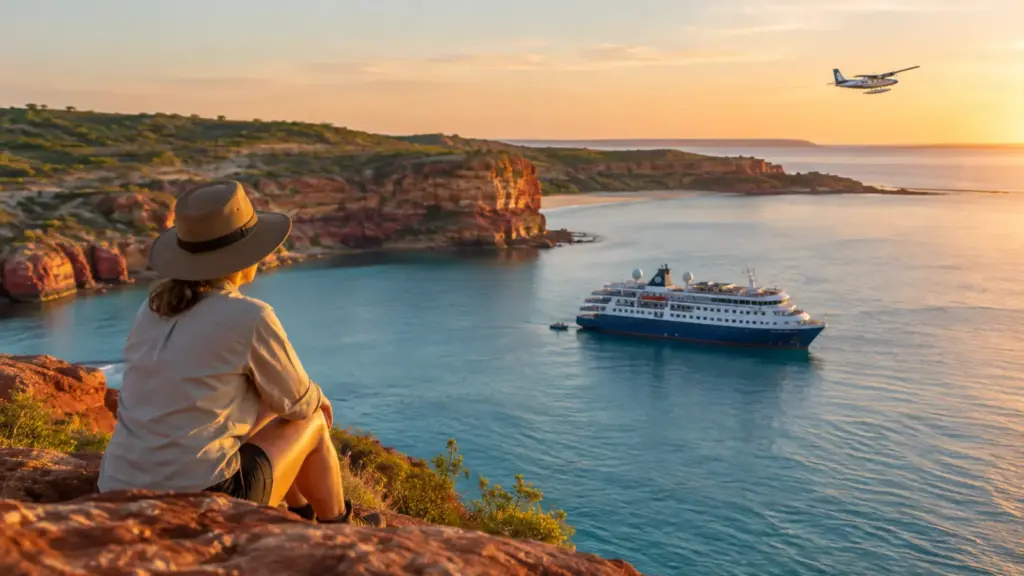
At a glance
- Coral Expeditions is an Australian small-ship line; its own site describes "Australian flagged small-ship expedition cruises to remote locations in Australia & beyond" for over 40 years (checked Oct 17, 2026).
- The Kimberley season is the dry season, typically about April to September; check the sailing calendar at coralexpeditions.com.
- Voyages typically run Broome to Darwin or Darwin to Broome, about 10 nights; confirm the length on the itinerary page.
- Ships are small; to our knowledge the fleet is Coral Adventurer, Coral Geographer and Coral Discoverer. Confirm which ship runs your dates.
- To our knowledge, landings are made by small tender boats the line calls Xplorers, so be ready to step in and out of a boat; confirm the landing method on coralexpeditions.com.
- To our knowledge, flights from the US connect through Sydney or Melbourne before Broome or Darwin; check qantas.com and the Broome and Darwin airport sites for schedules. Qantas is the only Australian airline on our points chart.
- Australia is a Level 1 advisory country [read 2026-10-17, https://travel.state.gov/content/travel/en/traveladvisories/traveladvisories/australia-travel-advisory.html — Level 1, issued 2026-08-18]. [Check this on the official page before you book.
- [
Who this is for
The Kimberley is a remote, rocky, red-and-turquoise coastline in the north of Western Australia. To our knowledge, few roads reach the best parts of it; check the Western Australia tourism and parks sites. A small ship is the practical way to see gorges, tidal waterfalls and rock art without a multi-day four-wheel-drive expedition.
This guide fits you if you want a nature-and-landscape trip, are fine with early starts and boat transfers, and would rather spend your days on shore excursions than at a pool bar. It does not fit you if you need a large ship's entertainment, if getting in and out of a small boat is a problem, or if you want a trip planned around a fixed daily schedule. Itineraries on this coast bend around tides, weather and conditions.
If you are building a larger Australia trip, our Uluru and the Red Centre and Cairns and the Great Barrier Reef guides pair naturally with this one. For a US small-ship comparison, see UnCruise Adventures.
The decisions that matter
1. Direction and dates. Broome to Darwin and Darwin to Broome see largely the same coast in a different order. Pick on flight convenience and on which end you would rather spend extra nights. Tidal features such as the horizontal falls and Montgomery Reef depend on the tide, so the order of days can change. Confirm on the sailing page at coralexpeditions.com.
2. Ship. To our knowledge Coral runs more than one ship in the Kimberley, and they differ in size and cabin mix. Compare guest counts and cabin categories on the ship pages before you choose a date, because the ship matters more than the day of the week.
3. Cabin. On a small ship the difference between categories is mostly window versus porthole, bed arrangement and deck location. If you are prone to motion discomfort, a lower, central cabin is typically steadier; confirm the deck plan on the ship page.
4. What is included. Typically a small-ship expedition fare includes meals and excursions, with drinks, some extras and gratuities handled differently. Check the terms and sailing pages on coralexpeditions.com for inclusions and gratuity policy before booking.
5. How you get there. Flights are the biggest cost swing and where points can help most. See the points chapter in the full guide.
What the trip costs, three ways
Prices change daily, so we do not quote a sailing's fare. Fill the blanks from the official sailing page.
| Style | Cruise fare (AUD) | Flights from the US | Extras |
|---|---|---|---|
| Lowest-cost cabin, points flights | ______ | ______ taxes and fees only | ______ |
| Mid-range cabin, mixed points and cash | ______ | ______ | ______ |
| Upgraded cabin, cash flights, extra nights | ______ | ______ | ______ |
Add a line for travel insurance that covers a remote-area medical evacuation, a pre-cruise night in Broome or Darwin, and spending money for the shore.
Entry and documents
Australia is a Level 1 advisory country, "exercise normal precautions" [read 2026-10-17, https://travel.state.gov/content/travel/en/traveladvisories/traveladvisories/australia-travel-advisory.html — Level 1, issued 2026-08-18]. US passport holders typically need an Electronic Travel Authority (subclass 601) or another visa before flying. The Home Affairs page says an ETA lets you "Visit Australia as often as you wish in a 12-month period. Stay up to 3 months each time you enter Australia" (checked Oct 17, 2026). Confirm eligibility and fees on the official Home Affairs ETA page before you apply. Check passport validity against the airline and Home Affairs rules. [Check this on the official page before you book.
Three free things
- Sunrise over the water from your ship's deck. Photo cue: wide shot of red cliffs catching first light over calm water, taken from the deck rail.
- Watching the tide pour through a gap. Photo cue: the rush of water through a narrow gorge, shot from a tender at water level.
- The Broome sunset at Cable Beach. Photo cue: a low sun on a long empty beach, shot at the water's edge. To our knowledge there is no fee to walk on the public beach; confirm locally. [Check this on the official page before you book.
Is it worth it?
For the right traveller, yes. The Kimberley is hard to reach by road, and a small ship puts you at the gorges and falls without a camp. The trade-off is cost and effort: the voyage fare, the long flights, and the fitness to climb in and out of boats in heat. If you are unsure, price the whole trip on the cost sheet in the full guide before you commit, and compare it to a land-based Australia trip of the same length. Points reduce the flight bill, not the cruise fare, so the voyage itself must stand on its own value for you.
Where to check
- Coral Expeditions: coralexpeditions.com (ships, sailings, terms, inclusions).
- US State Department: travel.state.gov, Australia advisory.
- Australian Home Affairs: immi.homeaffairs.gov.au, ETA listing.
- Western Australia parks: dbca.wa.gov.au and parks.wa.gov.au for park fees and permits. Check the DBCA and parks pages for fees; treat them as "to be confirmed" until you do. [Check this on the official page before you book.
- Your airline's own site for baggage allowances on the Australian domestic leg, which is often tighter than on the long-haul leg.
This is the free lite guide. The full day-by-day guide, with maps, photo stops, rain plans and the points playbook, is part of PerkJolt All-Access.
Good to know before you go
We checked what we could on 2026-10-17. Fares, fees, gratuities, itineraries, port calls, tide-dependent stops and entry rules move, so confirm them on coralexpeditions.com, in your booking, or with the line before you pay. Where an official page is unconfirmed, we say "typically" or "to our knowledge" and name the page to check.