
PerkJolt
Pilgrimages: Plan Your Journey
A pilgrimage can be a journey of prayer, observance, learning, remembrance or community. Some sacred places welcome visitors who are not arriving as pilgrims; others have worship-specific expectations, eligibility rules, permits or limited access. Begin with the tradition and purpose that fit your trip, then check the current guidance of the shrine, temple, gurdwara, mosque, church, site custodian or relevant public authority. A place’s devotional meaning belongs to its community; travel planning can help you approach it respectfully without deciding questions of faith for the reader.
Browse by tradition below, or choose a country independently. These are related but separate ways to find a place: a country may include several traditions, and a sacred site may matter to more than one community. Our guides bring together arrival advice, worship and visitor guidance, food, places to stay and flexible plans. Supporting links within the guides take you to the custodians and operators for current details. Check those pages again before travel because schedules, entry conditions, security and transport can change.
Browse sacred places
Choose a religious tradition, then optionally a country. Explore our pilgrimage guides for arrival, worship, local food, places to stay and flexible itineraries. Official visitor and worship links are included within each guide.
12 places shown
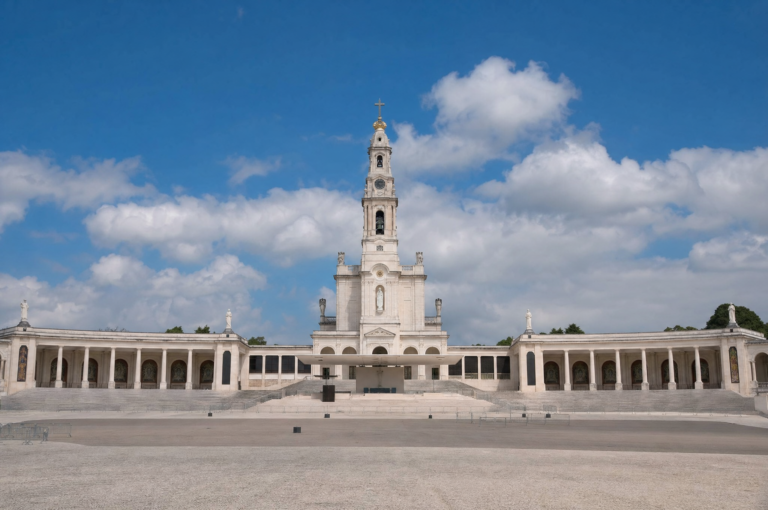
Shrine of Fátima
A practical, respectful guide to worship, arrival, local lodging and meals, with flexible one-, two- and three-day plans for Fátima.
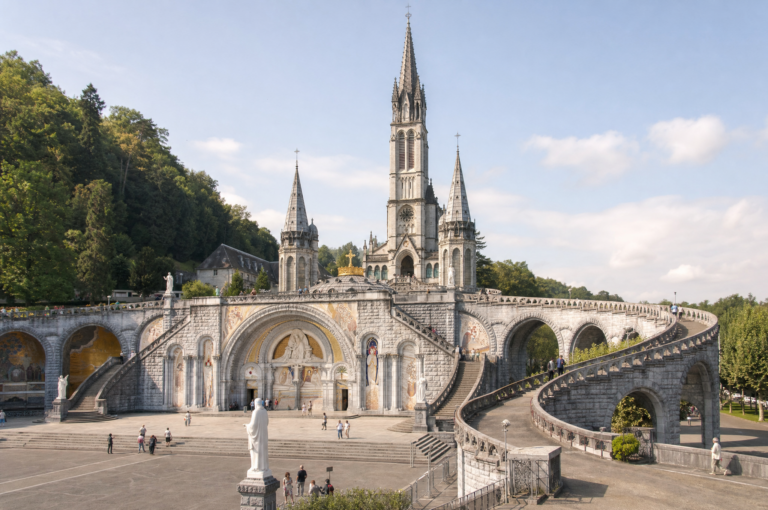
Sanctuary of Our Lady of Lourdes
Plan a thoughtful Lourdes pilgrimage with current Sanctuary worship guidance, arrival choices, practical lodging and meals, and flexible one-, two- and three-day itineraries.
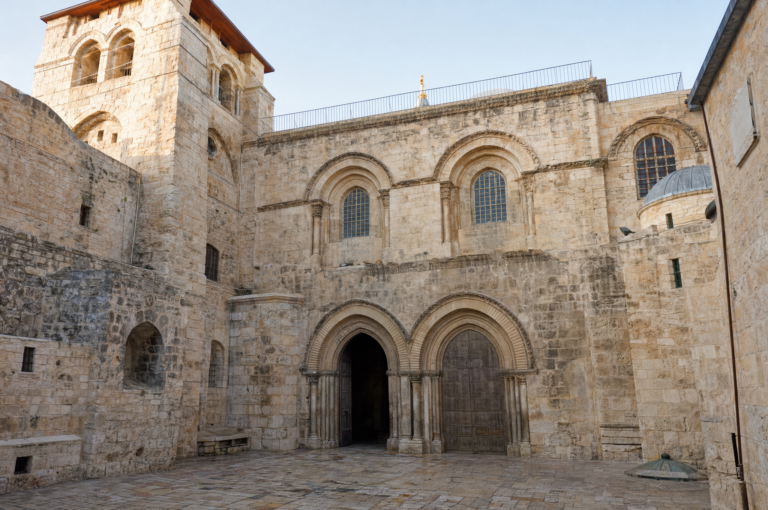
Basilica of the Holy Sepulchre
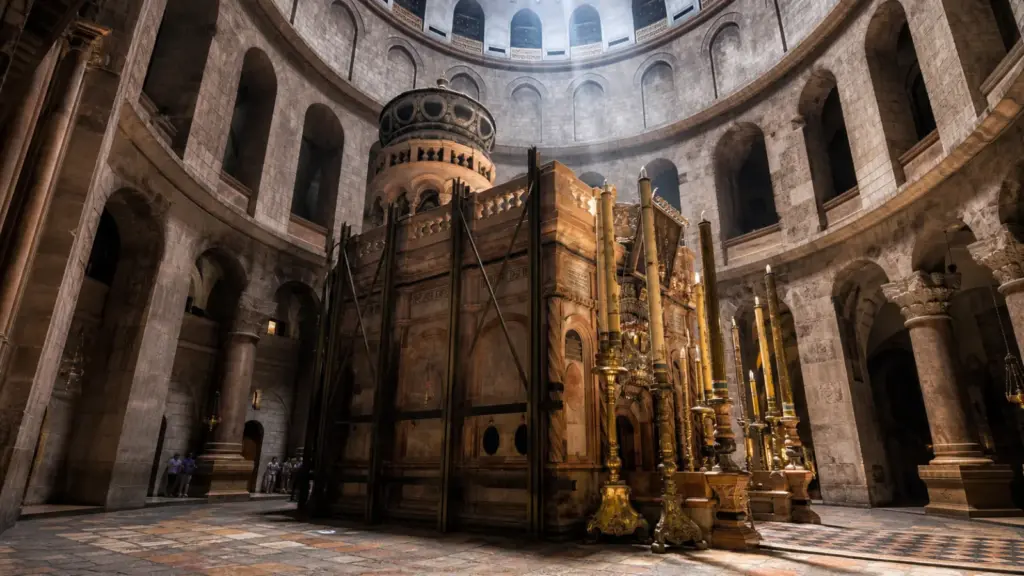
Plan a considered visit to Jerusalem’s Church of the Holy Sepulchre, with sacred-site orientation, worship contacts, lodging bases, meal stops and flexible one-, two- and three-day plans.
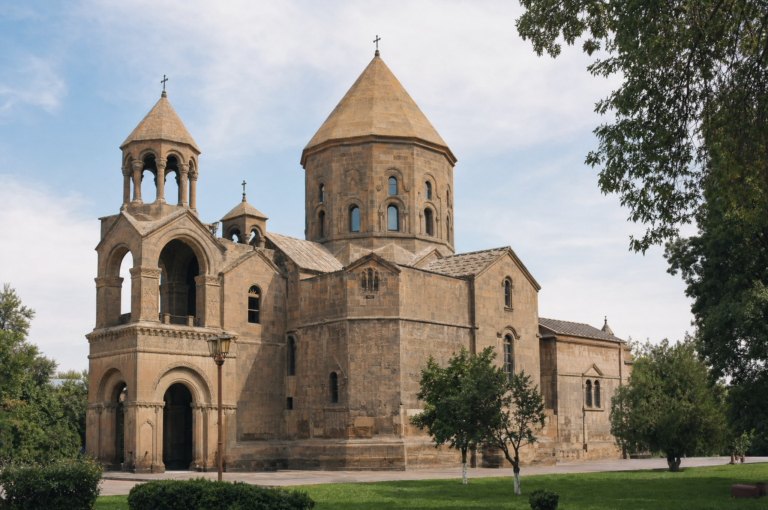
Mother See of Holy Etchmiadzin
Plan a respectful Armenian Apostolic pilgrimage to the Mother See in Vagharshapat, with current church and museum checks, transport choices, local lodging and meals, and flexible one-, two- and three-day itineraries.
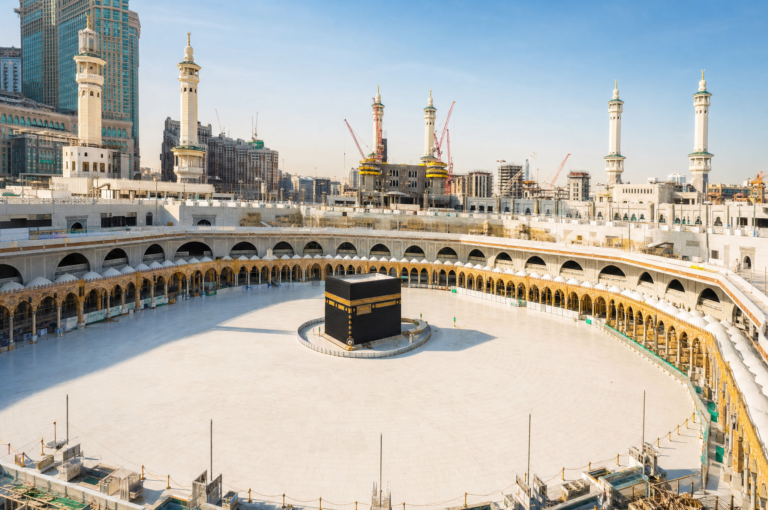
Hajj to Makkah
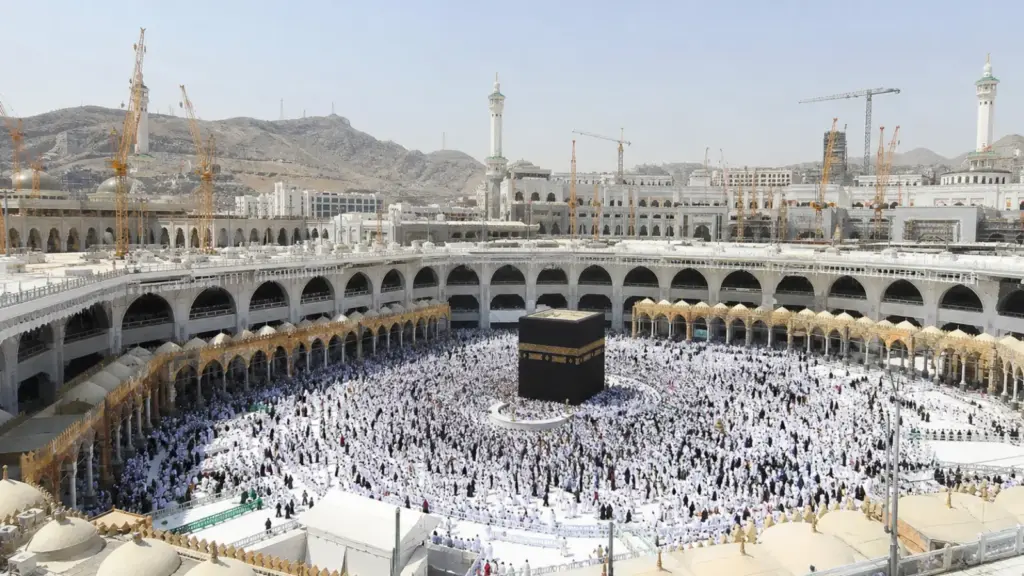
A practical starting point for Muslims preparing for Hajj: understand the official visa and permit system, choose the authorized country-specific route, plan health and arrival logistics, and prepare for the full pilgrimage without reducing its rites to a short visit.
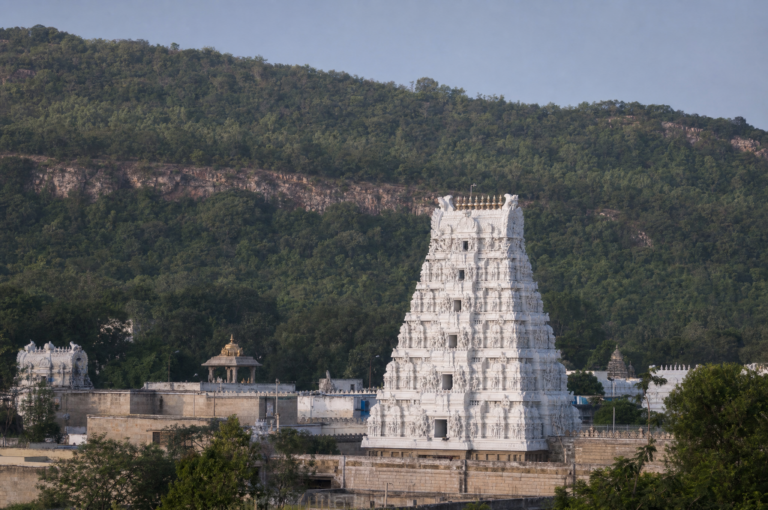
Sri Venkateswara Swamy Temple, Tirumala
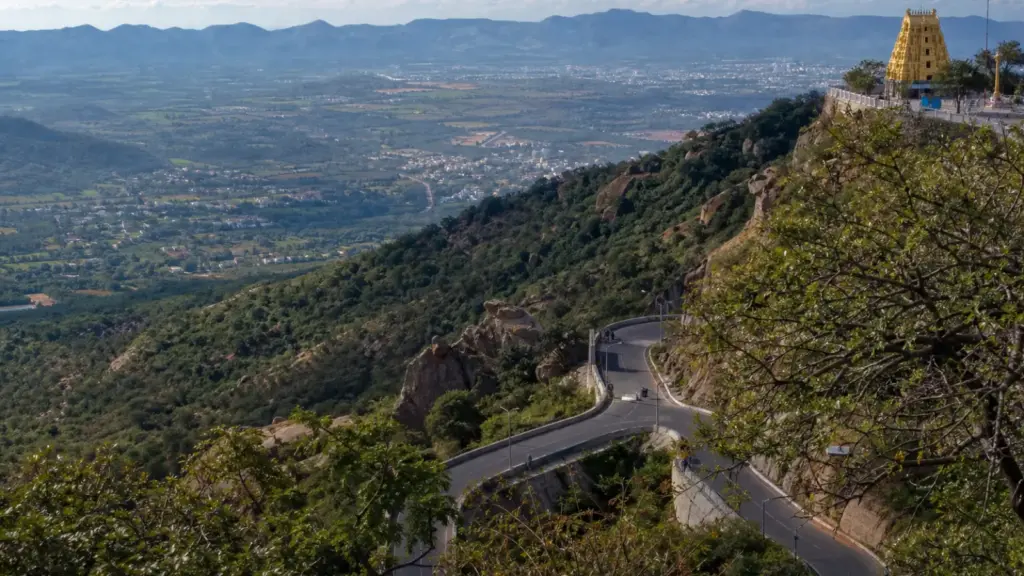
Plan a respectful Tirumala pilgrimage with current TTD darshan guidance, Tirupati-to-hill transport choices, practical lodging bases, food options, and flexible one-, two-, and three-day itineraries.
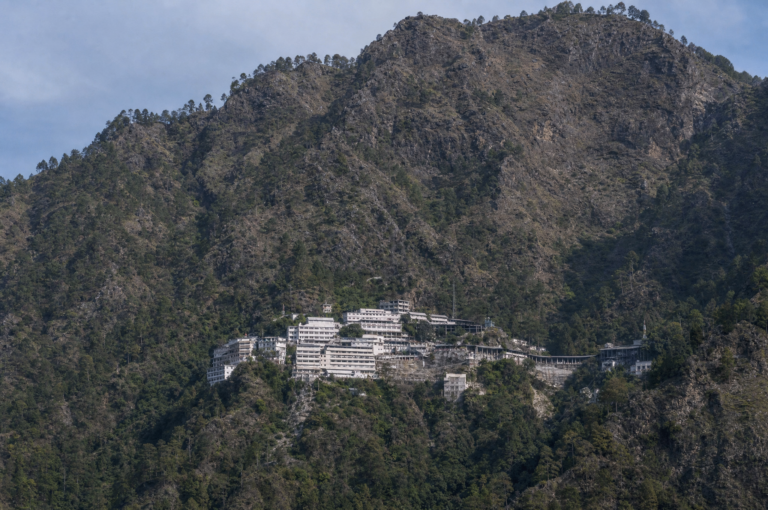
Shri Mata Vaishno Devi Shrine
Plan a Vaishno Devi yatra with current Shrine Board registration guidance, route and mobility choices, Katra lodging and food bases, and flexible one-, two-, and three-day outlines.
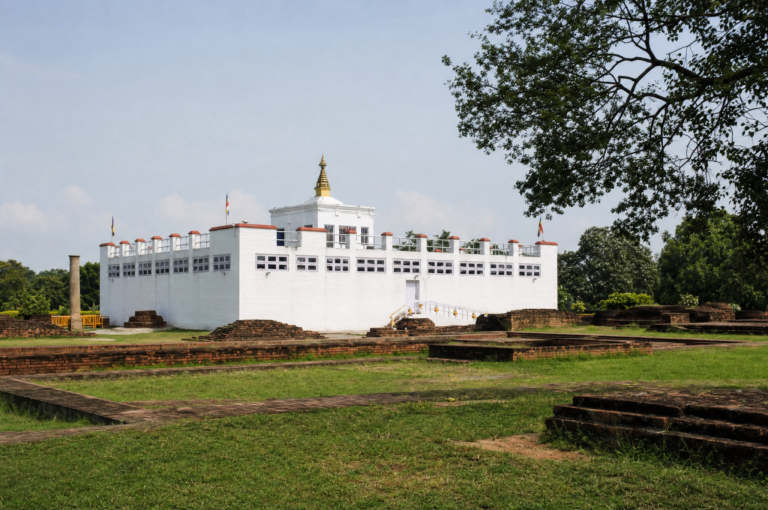
Lumbini Sacred Garden
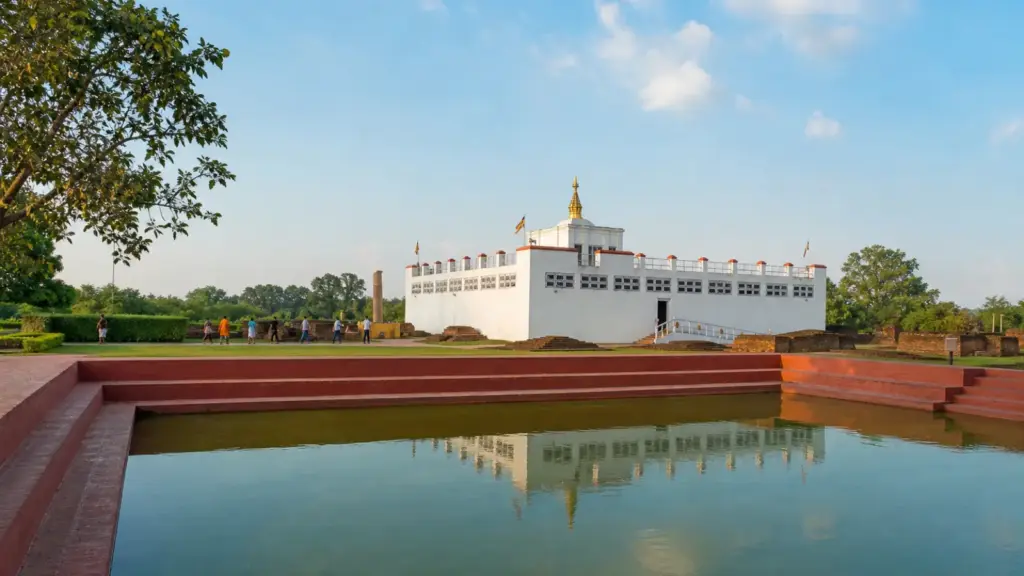
Plan a Buddhist pilgrimage to Lumbini with a clear orientation to the Sacred Garden and monastic zones, current access checks, arrival choices, local bases, and flexible one-, two-, and three-day outlines.
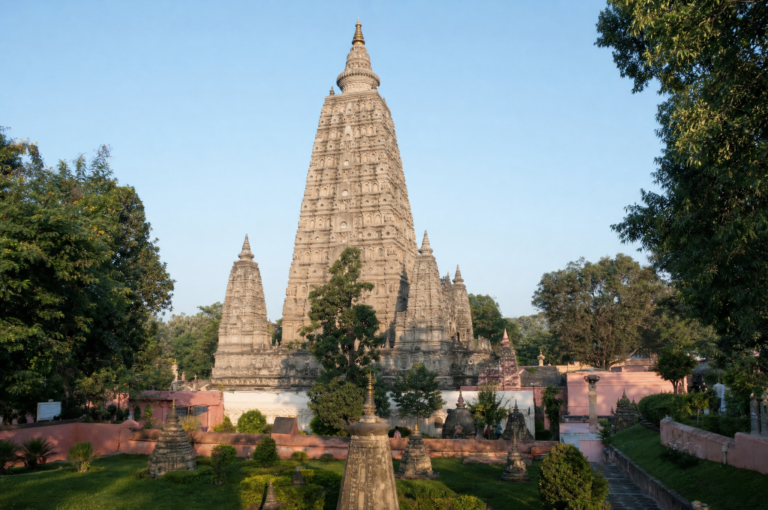
Mahabodhi Temple, Bodh Gaya
Plan a Buddhist pilgrimage to the Mahabodhi Temple in Bodh Gaya with current site checks, arrival and lodging choices, worship-aware visitor guidance, and flexible one-, two-, and three-day outlines.
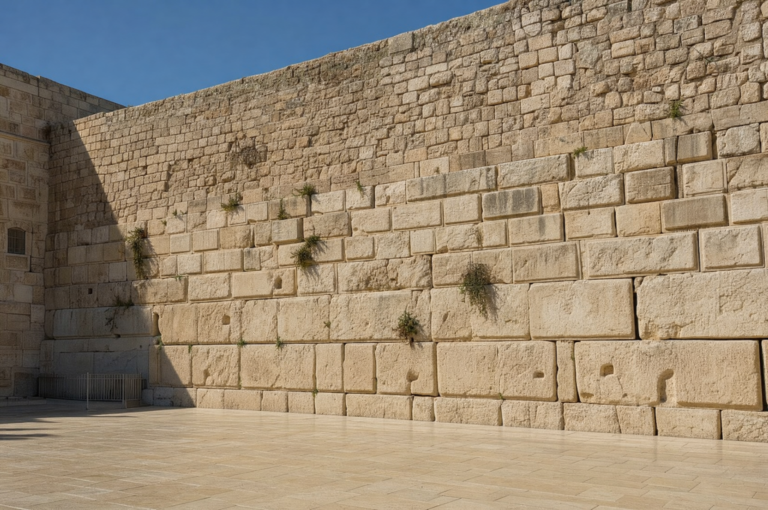
Western Wall
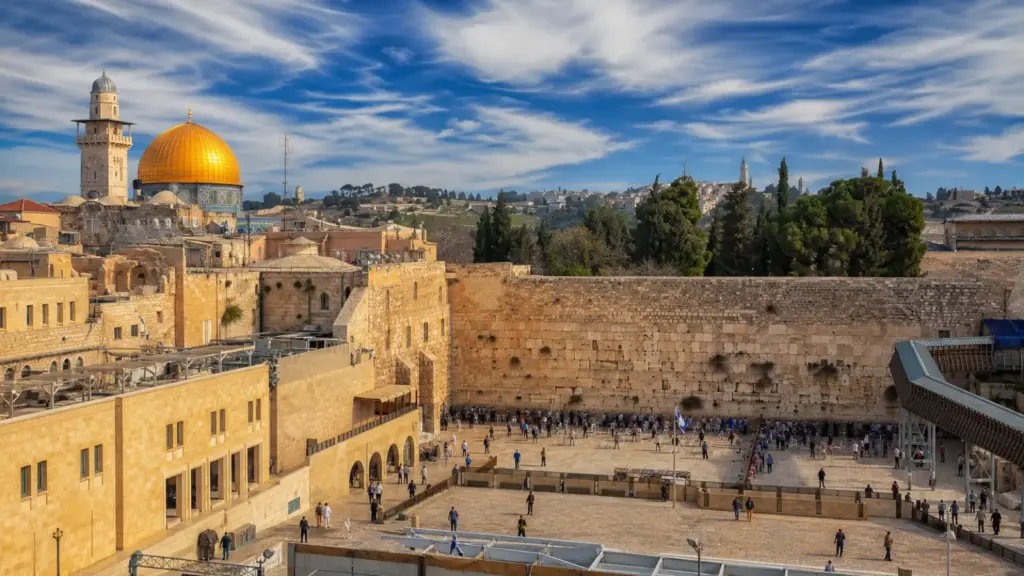
Understand the Kotel’s prayer plaza, choose a suitable Jerusalem base, plan food and transport, and separate a devotional visit from booked Western Wall tunnel tours.
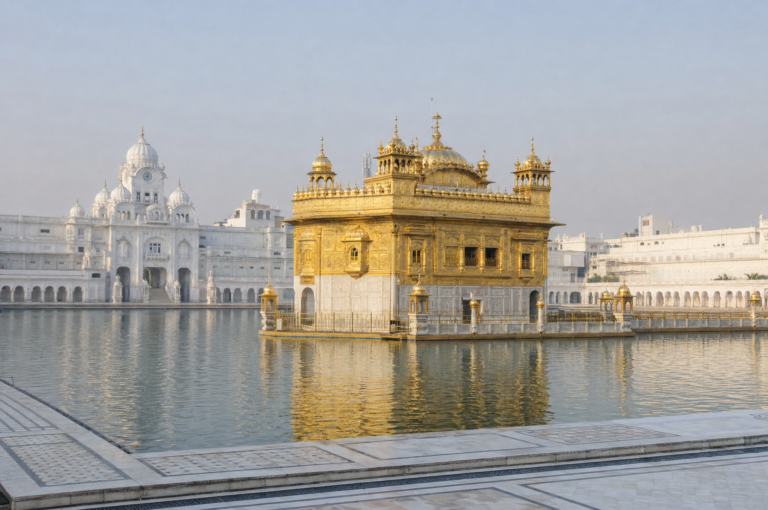
Sri Harmandir Sahib (Golden Temple)
Plan a thoughtful visit to Sri Harmandir Sahib with SGPC visitor guidance, Amritsar arrival options, sarai and hotel bases, langar and local food choices, and flexible one-, two-, and three-day itineraries.
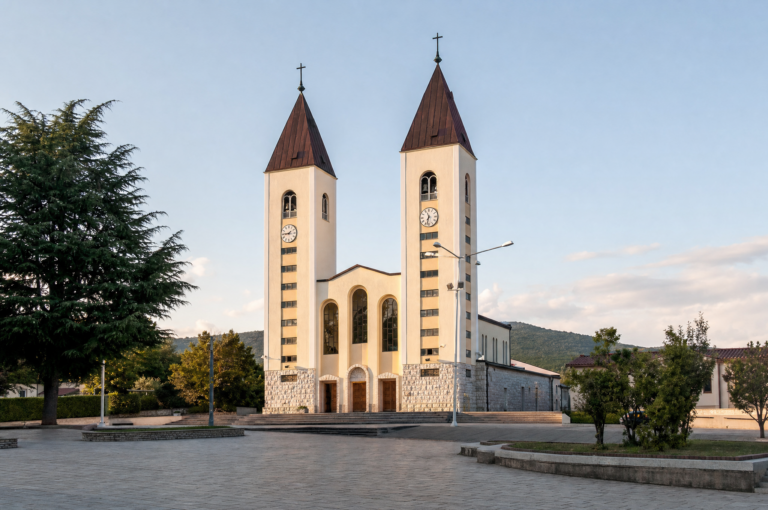
Medjugorje: St James Parish and Queen of Peace
Plan a prayerful visit to Medjugorje with current parish worship guidance, practical Bosnia and Herzegovina arrival choices, thoughtful lodging and flexible one-, two- and three-day plans.
No places match those filters. Reset the filters to browse the full list.

Catholic Christianity
Catholic shrines may combine liturgy, devotional practice, sacramental life, history and ordinary visitor services. A pilgrim planning around Mass, a feast day, processions or a particular devotional practice should consult the shrine’s own calendar and worship guidance; a heritage visit has different priorities. At the Shrine of Fátima in Portugal, the official site publishes schedules, events and places for prayer. The Sanctuary of Our Lady of Lourdes in France provides pilgrimage preparation, a calendar and current activities. Both are active places of worship, so leave room for prayer and follow local guidance about ceremonies, photography and access. These shrines are associated with Marian apparition accounts in Catholic tradition. Their official histories explain the beliefs and devotional practices that draw pilgrims.
Planning to attend Mass? Find Mass times on MassTimes.org by searching the church name and city. Check the listing’s last-update date, then confirm the parish or shrine’s own worship schedule before setting out. Sunday, weekday, holy-day and special-event schedules may differ; check the language of the service where it matters to your visit. Mass times and sightseeing opening hours answer different questions.
Other Christian traditions
Christian sacred places often have layered histories, several communities and distinct worship calendars. The Basilica of the Holy Sepulchre in Jerusalem is shared among historic Christian communities, including Orthodox, Catholic and Armenian custodians. The Custody of the Holy Land’s visitor information distinguishes access for a visit from the basilica’s daily liturgies and processions. Check its latest notices and the relevant church schedules rather than assuming all parts of a visit follow one timetable. For an Armenian Apostolic starting point, the Mother See of Holy Etchmiadzin is the church’s official site; consult it for church life and current visitor information. These examples represent different Christian contexts, not a single shared practice.
Islam
Hajj is a specific Islamic pilgrimage with religious obligations and a regulated travel process. It is distinct from ordinary sightseeing and from other forms of travel to sacred places. For the Hajj journey to Makkah, begin with the Saudi Ministry of Hajj and Umrah’s Nusuk Hajj platform, which explains country eligibility, authorized providers, packages, registration and current guidance. Check the rules that apply to your nationality and travel year before making arrangements; do not rely on an old itinerary, unofficial package seller or assumptions about access. Plan the pilgrimage and nearby travel logistics separately, and check which sites and rites are reserved for Muslim worshippers.
Hinduism
Hindu pilgrimage can center on darshan, temple worship, vows, festivals or a longer yatra, and the customs of one temple do not automatically apply at another. At Tirumala, the Tirumala Tirupati Devasthanams (TTD) publishes information on Sri Venkateswara Swamy Temple, darshan, sevas, transport and pilgrim services. The Shri Mata Vaishno Devi Shrine Board is the primary place to check current yatra registration, route services and notices for the cave shrine in Jammu and Kashmir. Treat registration, entry, dress, health, weather and transport as site- and date-specific questions. Do not assume a public-facing visitor listing establishes that every worship area or ritual is open to every traveler.
Buddhism
Buddhist journeys may follow a life-of-the-Buddha circuit, visit a monastery or temple, attend a teaching, or support personal practice. Lumbini Development Trust, a Government of Nepal authority, manages information for Lumbini’s sacred garden and wider heritage area. Lumbini is associated in Buddhist tradition with the Buddha’s birth; visitors should follow the Trust’s rules for paths, worship and conservation. At the Mahabodhi Temple in Bodh Gaya, the district administration’s visitor page is a starting point for the temple complex associated in Buddhist tradition with the Buddha’s awakening. Separate the living religious meaning of these places from archaeological and heritage interpretation, and confirm current temple rules before arrival.
Judaism
Jewish travel may involve prayer, study, memory, community or visits to places of historical and religious significance. Jerusalem’s Western Wall is an active Jewish place of prayer as well as a heritage site. The Western Wall Heritage Foundation’s visitor information explains site arrangements and visitor conduct. Check current security guidance, prayer-area customs, photography rules and any event notices; approach worshippers with care and do not treat a prayer space as a performance for visitors. Jewish traditions and practices are diverse, so a single site should never stand in for the whole of Jewish religious life.
Sikhism
A visit to a gurdwara is a visit to an active place of worship. Sri Harmandir Sahib, commonly called the Golden Temple, is a central Sikh gurdwara in Amritsar. The Shiromani Gurdwara Parbandhak Committee (SGPC) is the Sikh institution responsible for its site and related gurdwara administration. Follow the gurdwara’s current instructions on head covering, removing shoes, cleanliness, photography and conduct in worship spaces. Langar is a Sikh devotional and communal service, not simply a tourist meal; participate respectfully and follow the hosts’ directions. Consult the SGPC or local gurdwara guidance for current arrangements.
Browse by country
Use country as an independent browse or filter choice alongside tradition. It can help with practical planning—entry requirements, transport, language, lodging and regional connections—without placing one faith underneath a national category. A country page can link to several traditions, while a tradition page can connect places in several countries. Where a sacred site has contested or layered geographic context, use precise place names and current authorities rather than flattening that context into a simple border label.
Plan around worship and visitor needs
Before you book, identify what you hope to do: attend worship, follow a pilgrimage route, visit a shrine respectfully, study a historic site or combine several aims. Read the official source for the exact site, then verify entry, registration, clothing, photography, ceremonies, mobility access and transport for your dates. Rules may differ for worship areas and general visitor spaces. Some places have gender-, faith-, permit- or capacity-based restrictions; state them specifically and neutrally when the source confirms them.
Build a flexible itinerary rather than treating a sacred place as a checklist. Allow time for services, queues, rest and quiet, but do not promise a particular wait or access outcome. For multi-day journeys, compare overnight locations with the actual route and the start or end points of worship and transport. Use established destination guides for city logistics where helpful, while relying on the responsible religious or site authority for ritual, access and conduct. A city guide alone cannot explain every community’s practice.
Sacred places can carry different meanings for different communities, and some have shared custodianship. Reading the responsible communities’ own histories can help you understand those perspectives before your visit. Arrive informed, respect worshippers and local rules, and leave space for the meaning the journey holds for you.
Explore the pilgrimage guides
Choose a journey below for local planning, lodging bases, food, arrival choices and the site’s distinct worship or visitor arrangements.
- Fátima Pilgrimage Guide
- Lourdes Pilgrimage Guide
- Holy Sepulchre Pilgrimage Guide: Worship, Arrival and Where to Stay
- Holy Etchmiadzin Pilgrimage Guide
- Hajj to Makkah Guide: Eligibility, Official Booking, and Pilgrim Preparation
- Tirumala Sri Venkateswara Swamy Temple Pilgrimage Guide
- Vaishno Devi Pilgrimage Guide: Plan a Respectful Yatra
- Lumbini Pilgrimage Guide: Plan a Respectful Visit to the Sacred Garden
- Mahabodhi Temple Pilgrimage Guide: Plan a Respectful Visit to Bodh Gaya
- Western Wall Pilgrimage Guide: Prayer, Tours and a Jerusalem Base
- Sri Harmandir Sahib Pilgrimage Guide: Amritsar