
Food
What to Eat in Bangkok: Pad Thai, Northern Curries and Street Food
Plan Bangkok meals by district, with operator-linked menus for old-city pad Thai, northern Thai khao soi and shared seafood dishes, plus practical market and transit advice.
How long is your visit?
Choose an itinerary, or read the full guide below.
Check the full guide for arrival, ticket, accessibility and booking details.
Bangkok’s food choices are easiest to manage by area and meal style. A quick noodle lunch, a relaxed sit-down meal and an evening street-food browse each suit a different part of the city. The capital also brings together dishes associated with other Thai regions. Treat a northern curry noodle or southern-style curry as a chance to taste a regional tradition in Bangkok, not as a dish that originated here.
Pad Thai in the old city
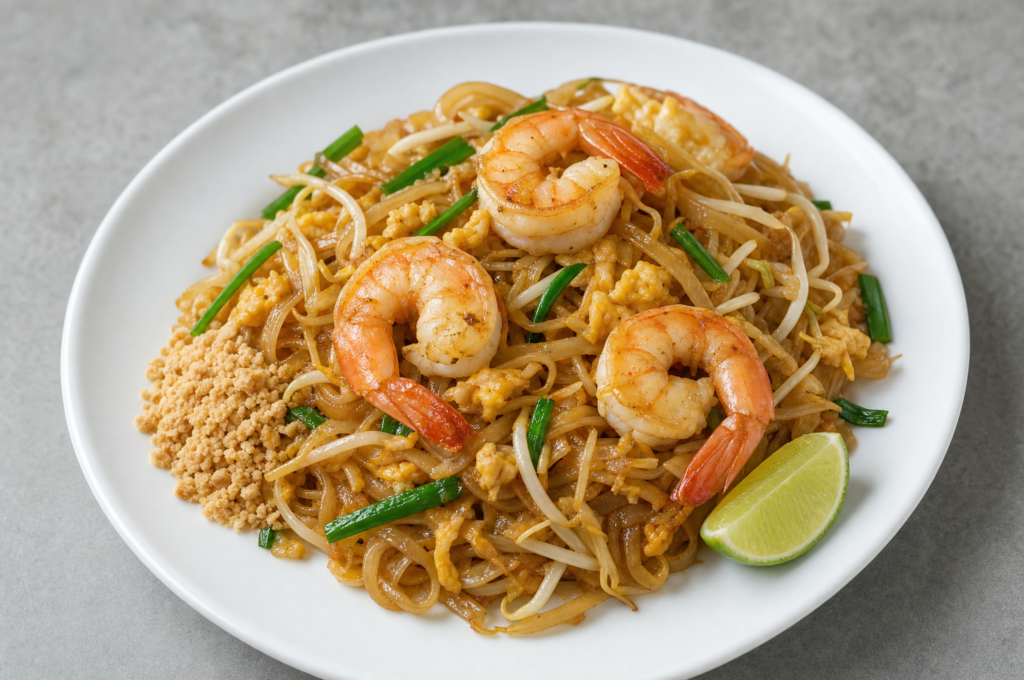
Pad Thai is a familiar starting point: stir-fried rice noodles with a balance of savory, sweet, sour and sometimes spicy flavors. The Tourism Authority of Thailand’s culinary guide describes the dish and other Thai food ideas associated with Bangkok. At Thipsamai’s original Pratoopee shop, the operator publishes a menu with several pad Thai styles, including a version with shrimp oil, prawns and egg. Its branch page gives the Maha Chai Road address and lists other locations, including Siam Paragon and ICONSIAM. Check the current branch and menu before setting out; a mall branch may fit a different day better than the old-city shop.
Pad Thai recipes vary, and the operator’s menu makes clear that shrimp oil and egg are used in some versions. A menu item called vegetarian may still need an ingredient check if you have a strict restriction. Ask the restaurant directly about fish sauce, shrimp, egg, peanuts and cross-contact; do not treat the name of the dish or a translated menu as a safety guarantee. The official restaurant history provides the company’s own account of its old-city origins, but its promotional superlatives are not independent rankings.
Pair the meal with an Old City visit, then keep the rest of the day nearby. This is a useful option when you are seeing Phra Nakhon’s temples or historic streets, rather than a reason to cross town at peak traffic. If you prefer a riverfront setting, check whether the current Thipsamai ICONSIAM branch works for your plans; the operator’s store list is the reference for that location.
Regional northern Thai food in Sukhumvit
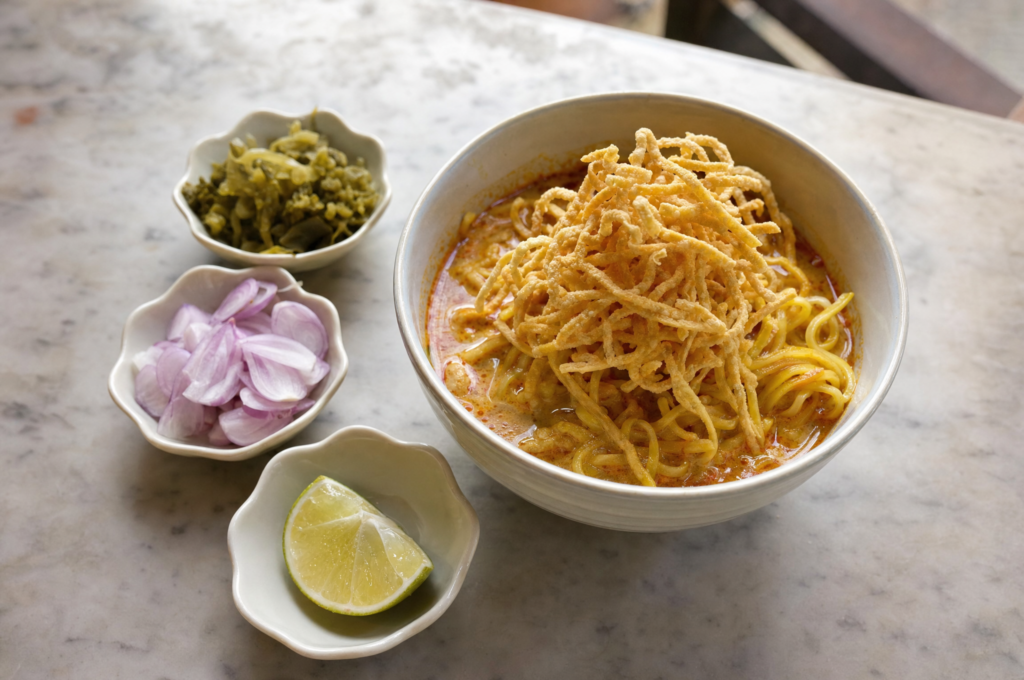
Khao soi is a northern Thai/Lanna curry noodle dish, not a Bangkok invention. In the capital, NORTH describes its kitchen as focused on northern Thai cuisine. Its current lunch menu lists khao soi in several preparations and also includes dishes such as hung lay curry and northern sausage. The restaurant’s contact page places it at 8 Sukhumvit 33 in Watthana and provides current service and booking details. Use those pages to decide whether its format, location and menu suit your group; check availability directly.
This is a practical choice if your Bangkok stay is based around Phrom Phong or Asok, or if you want to compare regional food without planning a separate trip north. The Tourism Authority’s guide to Thai culinary traditions distinguishes northern specialties from Bangkok dishes. Expect variation between kitchens: khao soi may differ in broth, toppings and proteins. Ask about chili, allergens, meat stock and any dietary requirements before ordering.
Seafood and Thai shared dishes
Somboon Seafood offers a central Bangkok option for a shared Thai seafood meal. The operator’s official dishes page lists fried curry crab, roasted freshwater prawns with glass noodles, and deep-fried sea bass with sweet fish sauce. Its reservation and locations page lists the Siam Square One branch at Level 4, 388 Rama I Road, Pathum Wan, a practical choice when your plans include central shopping or the BTS Siam area. Confirm the current branch, menu and booking terms directly; listed dishes can change or be unavailable.
Shared Thai meals can include seafood, fish sauce, shrimp paste, oyster sauce, egg, nuts or meat stock even when a dish name sounds simple. For allergies or vegetarian needs, contact the restaurant with precise questions before booking and again when ordering. A restaurant’s menu is not a promise that substitutions are possible or that cross-contact can be prevented.
Street-food browsing: choose one district
For a street-food evening, Yaowarat in Bangkok’s Chinatown is a distinct destination rather than an add-on to every old-city day. The Tourism Authority’s Chinatown guide describes the district’s food streets and gives a Hua Lamphong/MRT orientation. It mentions noodles, seafood and dessert examples, but it is an older visitor article: use it for geography and food context, then confirm current transport and individual vendors locally. Do not assume a stall, dish or opening pattern from an old listing remains unchanged.
Take the browse at a pace that suits the group. The district is busy, food is sold by separate vendors, seating may be limited and a short map distance can take longer in crowds. Decide on a meeting point if traveling with children, keep valuables secure and have a return route ready. If a specific allergy or access requirement is essential, a staffed restaurant where you can ask about ingredients may be more practical than a crowded stall.
Getting between meal areas
Bangkok’s rail lines cover many central corridors, but station names and interchange walks matter. The BTS route description shows the Sukhumvit line running through the Siam interchange and toward the Sukhumvit area; the BTS site has current route, fare and timetable tools. For riverside or old-city plans, the Chao Phraya Express Boat operator posts the current line schedule and pier notices. Its service information changes by line and date, so confirm before choosing a boat as the fixed link between dinner and your hotel. The tourist boat is a separate service with its own route and pier information.
Heat, rain and traffic can change how appealing a walk or transfer feels. Allow time for station exits and street crossings, and do not assume a restaurant beside a rail line has a direct step-free path from platform to door. Use current operator maps and ask venues about the exact entrance if mobility or stroller access matters.
One, two or three days of meals
- One day: Keep lunch and sightseeing in Phra Nakhon, with Thipsamai’s old-city branch only if its current listing and timing fit. Choose a nearby evening meal rather than crossing to Sukhumvit for a second fixed reservation.
- Two days: Use one day for old-city food and another around Sukhumvit and Siam. Plan one sit-down regional meal at NORTH or a shared seafood meal at Somboon’s Siam Square One branch, allowing time for the trip between those areas; leave the evening flexible for a market or a simple meal near your base.
- Three days: Give Yaowarat a separate evening and a neighborhood visit, checking transit and current conditions. Keep the third day geographically coherent and use the operator branch pages to select a meal near that day’s route; avoid scheduling every famous dish as a separate cross-town journey.
Check linked menus, location pages and reservation details close to your visit. Prices, hours, branch operations and individual items change; this guide does not quote a live price or promise a particular dish will be available.
Check the official sources
Schedules, admission, fares and service can change. Recheck these for your travel dates.
- tourismproduct.tourismthailand.org (checked 2026-09-28)
- thipsamai.com (checked 2026-09-28)
- thipsamai.com (checked 2026-09-28)
- thipsamai.com (checked 2026-09-28)
- north-restaurant.com (checked 2026-09-28)
- north-restaurant.com (checked 2026-09-28)
- north-restaurant.com (checked 2026-09-28)
- tourismthailand.org (checked 2026-09-28)
- bts.co.th (checked 2026-09-28)
- chaophrayaexpressboat.com (checked 2026-09-28)
- chaophrayatouristboat.com (checked 2026-09-28)
- somboonseafood.com (checked 2026-09-28)
- somboonseafood.com (checked 2026-09-28)