
Food
Cairo & Giza Food Guide: Egyptian Dishes, Local Stops, and Meal Planning
A practical guide to ful, taameya, koshary and other Egyptian dishes, with verified Cairo and Giza food stops and plans that keep meals close to your day.
How long is your visit?
Choose an itinerary, or read the full guide below.
Check the full guide for arrival, ticket, accessibility and booking details.
Cairo & Giza food guide: what to eat and where to plan it
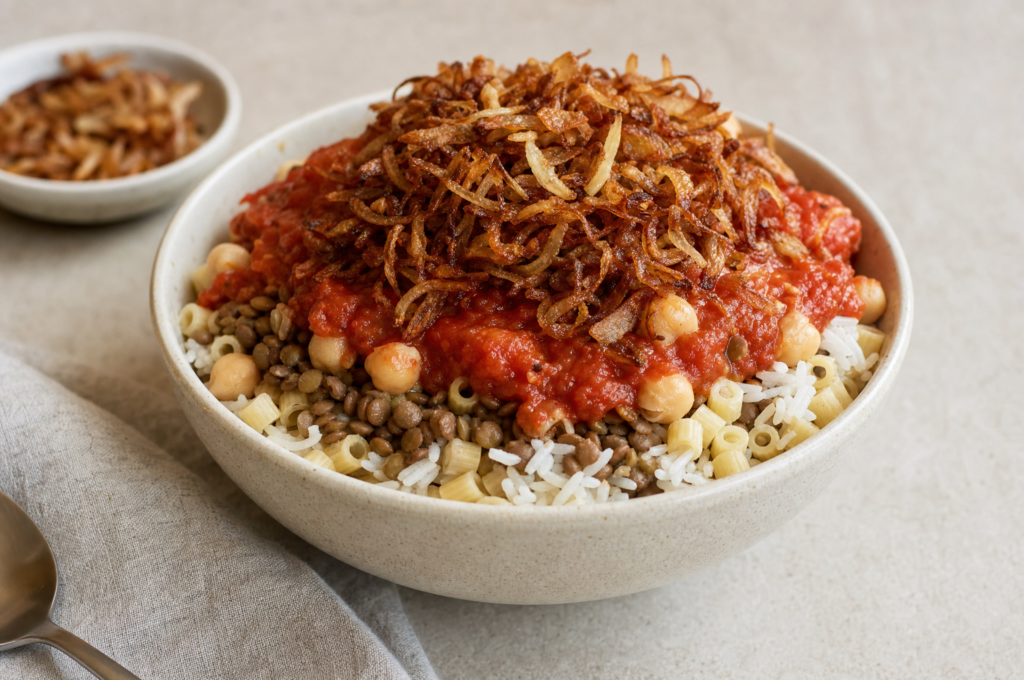
Cairo’s food is easiest to understand through everyday dishes rather than a checklist of “must-try” restaurants. Start with ful medames, slow-cooked fava beans commonly served with bread; taameya, Egypt’s herb-rich fava-bean fritter; and koshary, a filling combination of rice, pasta, lentils and chickpeas with tomato sauce and crisp onions. These are distinct dishes with different textures and meal roles, and together they make a useful introduction to Egyptian cooking. Egypt’s official tourism site describes these staples and also highlights molokhiya, mahshi, kebda and grilled meats.
Build meals around the neighborhood you are already visiting. Greater Cairo’s traffic and broad urban footprint make a cross-city restaurant detour an unreliable use of a short day. If the Giza Plateau or Grand Egyptian Museum is the focus, eat in Giza or near your chosen return route. If your plans are downtown, around Tahrir, on Zamalek or in Garden City, choose a stop within that cluster. Confirm the branch address, service and menu directly before setting out; current branch lists and seasonal dishes can change.
Egyptian dishes worth recognizing
Ful and taameya: Ful is soft, savory fava beans, often eaten with eish baladi, the local flatbread. Taameya is Egypt’s fava-based answer to the broader falafel family: the tourism authority describes it as ground fava beans mixed with aromatic herbs and fried into a crisp fritter. A breakfast of beans, bread and taameya is substantial, so it can work well before a museum morning. Ask about cooking oil and shared surfaces if allergies or strict dietary needs matter.
Koshary: Rice, pasta, brown lentils and chickpeas are layered with tangy tomato sauce and fried onions. Garlic vinegar and chili may be served separately, allowing diners to adjust sharpness and heat. It is often a practical vegetarian choice, but do not assume every sauce or preparation meets a strict dietary requirement without asking. Zooba’s own menu describes koshari as its best-selling Egyptian national dish and also lists taameya and a hawawshi burger served in homemade baladi bread. Its menu is useful for recognizing a named operator’s current Egyptian-food offer; check the location page for the branch nearest your day.
Molokhiya, mahshi and grilled dishes: Molokhiya is a finely chopped green-leaf soup, commonly seasoned with garlic and coriander and eaten with rice or bread. Mahshi refers to vegetables stuffed with rice or other fillings; recipes vary. Kebda is spiced liver, associated by the tourism authority with Alexandria, while kofta and kebab are grilled meat options. The names do not guarantee exact ingredients: stocks, butter, fillings and spice blends vary by kitchen. Ask the restaurant about the specific dish and preparation rather than relying on a generic description.
Useful named stops
Zooba: This Cairo-founded operator publishes its Egyptian menu and a Cairo location finder. The menu includes taameya, koshari and its hot-pressed hawawshi burger in baladi bread. Use the current Zooba food page to see the operator’s descriptions and the Cairo branch list to choose an outlet that fits your route. Branches listed include Zamalek and the Grand Egyptian Museum, among other districts and malls; confirm the address and opening status on the live page. This is a contemporary, accessible-format introduction to familiar dishes rather than a promise that every branch has the same menu or atmosphere.
Felfela El-Haram: For a Giza-side meal, the Felfela operator lists its El-Haram restaurant at 27 Cairo–Alexandria Road, Midan El Remaya, Haram, Giza, and provides a menu link from its official restaurant site. The operator describes traditional dishes alongside seasonal Egyptian recipes at this branch. Check the current menu and contact details there before making a dedicated trip. A similarly named downtown restaurant, Felfela Hoda Sharawee, is now under separate management according to the operator; do not assume it shares the same menu or service. Restaurant identity matters when searching maps or arranging a driver.
Those two examples give useful route-based choices, not a ranking. Zooba’s published branches can fit a Cairo day; Felfela El-Haram belongs naturally to a Giza visit. If neither matches your plans, choose a restaurant whose own current menu and address are easy to verify, ideally close to the next planned stop. Hotel restaurants can be practical for families or late arrivals, but check the property’s dining pages for current menus and service hours rather than assuming every hotel serves local dishes each day.
Plan meals around your day
One day — choose one geographic cluster: If the main goal is the plateau, have breakfast near your lodging, take water and a simple snack, then plan the Giza visit around the current official site information. The plateau is large, exposed and physically demanding; allow time for walking, heat and rest, and avoid stacking another distant museum or restaurant booking onto the same timetable. Choose a Giza-side lunch or an early meal on the return route. If the day is downtown instead, sample ful or taameya in the morning, visit a museum or central landmark, then place koshary or a shared Egyptian dinner near the evening’s actual location.
Two days — split Cairo and Giza: Give one day to the Giza Plateau and, if ticketing and energy permit, the Grand Egyptian Museum; reserve the other for central Cairo, a Nile-side district or Zamalek. Do not plan on walking between these zones. Pick lunch where you are, and check the official museum ticket channel and each attraction’s latest visitor information before locking meal times. A long museum visit can make a formal lunch reservation awkward, especially when entry times, security checks or return traffic shift.
Three days — add a slower food day: Keep the first two days geographically focused, then use the third for an unhurried combination of Old Cairo, central Cairo, Zamalek or another district that interests you. This is a better time for a second restaurant style, a market visit or a hotel meal than trying to combine every neighborhood in one circuit. Build in a pause after the hottest walking period, and keep dinner flexible if the day’s traffic or museum timing runs late. These are orientation patterns, not fixed itineraries; choose opening days and ticket slots from official sources for your dates.
Getting between areas and managing food needs
Cairo International Airport’s official passenger guide says city buses depart from the bus station in front of Terminal 1; that detail matters if your flight arrives at another terminal. The airport also lists metered white taxis and fixed-price limousine categories with curbside pickup. Its page warns travelers about unlicensed drivers soliciting in the arrivals hall. Check the current terminal, pickup point and fare arrangement directly with the airport before choosing a transfer. Do not assume a bus serves your hotel’s exact street or that a taxi journey will take a predictable amount of time.
The official Cairo Metro site provides maps and passenger information. Metro can help with selected journeys, but it does not remove the last-mile question: stations, hotel doors, restaurant entrances and the Giza plateau are not interchangeable points. Check the route and station status, then decide whether walking, a licensed taxi or a separately arranged car is suitable for the remainder. When visiting the plateau, follow the official visitor and ticket information; admission to the archaeological area and access to specific interior monuments may be subject to distinct tickets and current rules.
For allergies, vegetarian diets or family meals, ask about stock, meat, dairy, eggs, nuts, sesame, frying oil and cross-contact. Fava beans, rice and vegetables can be part of meat-free dishes, yet preparation methods differ. If the person taking the order cannot verify an important allergen, choose something else. For children, consider the length of the day, heat, water, seating and whether a meal stop requires crossing the city. Reconfirm menus, opening times, tickets and transport on the official pages below; do not treat any single dish or listing as guaranteed for a future date.
Current official links
For dish context, consult Experience Egypt’s gastronomy overview. For named menus and branches, see Zooba’s food page, Zooba’s Cairo location finder and Felfela’s operator site. For the airport, use the official Cairo Airport passenger transport guide; for metro maps, use Cairo Metro’s map page. Confirm current entry information at the Ministry of Tourism and Antiquities’ Giza Plateau page and buy museum admission through the Grand Egyptian Museum’s official ticket site. Sources checked 28 September 2026.
Check the official sources
Schedules, admission, fares and service can change. Recheck these for your travel dates.
- experienceegypt.eg (checked 2026-09-28)
- zoobaeats.com (checked 2026-09-28)
- zoobaeats.com (checked 2026-09-28)
- felfela.com (checked 2026-09-28)
- cairo-airport.com (checked 2026-09-28)
- cairometro.gov.eg (checked 2026-09-28)
- egymonuments.gov.eg (checked 2026-09-28)
- tickets.gem.eg (checked 2026-09-28)