
Food
What to Eat in Cartagena: Caribbean Dishes, Neighborhood Stops, and a Flexible Food Plan
A practical Cartagena food guide to Caribbean dishes, verified restaurant options, neighborhood-based meal planning, dietary questions, and flexible one-, two-, and three-day choices.
How long is your visit?
Choose an itinerary, or read the full guide below.
Check the full guide for arrival, ticket, accessibility and booking details.
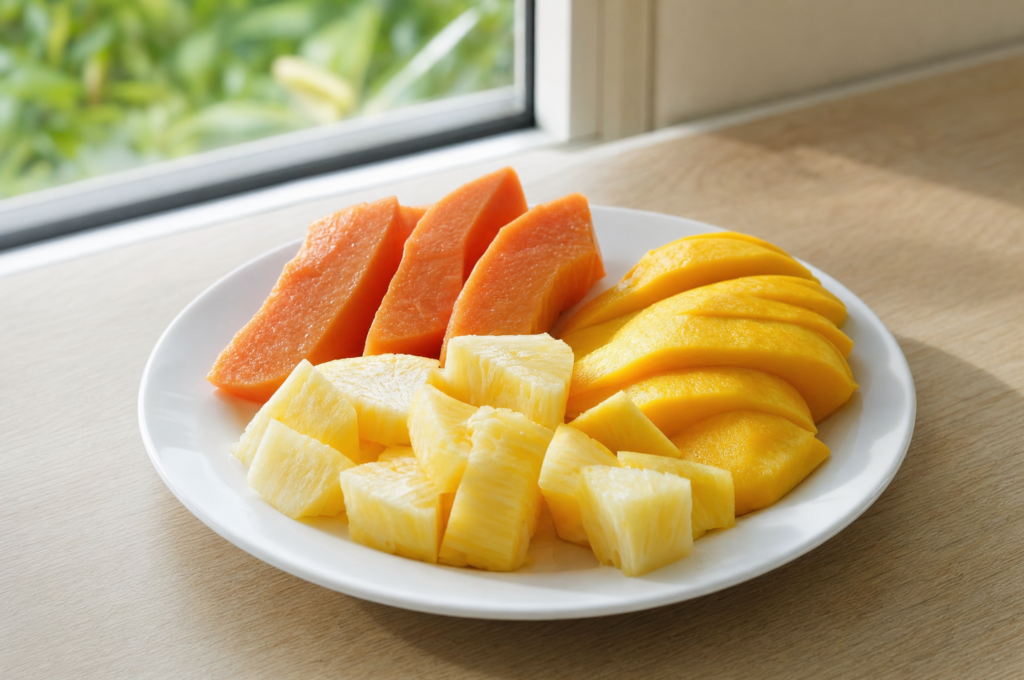
Cartagena’s food is easiest to understand through the Colombian Caribbean: corn fritters and arepas, coconut rice, seafood, soups, stews, tropical fruit, and slow-cooked meats all belong in the conversation. A short stay does not need a restaurant marathon. Choose a few dishes, group meals around where you will already be, and check the venue’s own menu and booking details close to your dates.
For the wider geography, arrival and sightseeing framework, use PerkJolt’s Cartagena first-visit guide. This food plan is organized around the Walled City, San Diego and Getsemaní, with a separate note for boat-day timing. Cartagena’s historic center is compact enough to combine a walk and a meal, but midday heat, uneven paving, event closures and traffic all argue for leaving generous space between commitments.
Start with Cartagena and Caribbean flavors
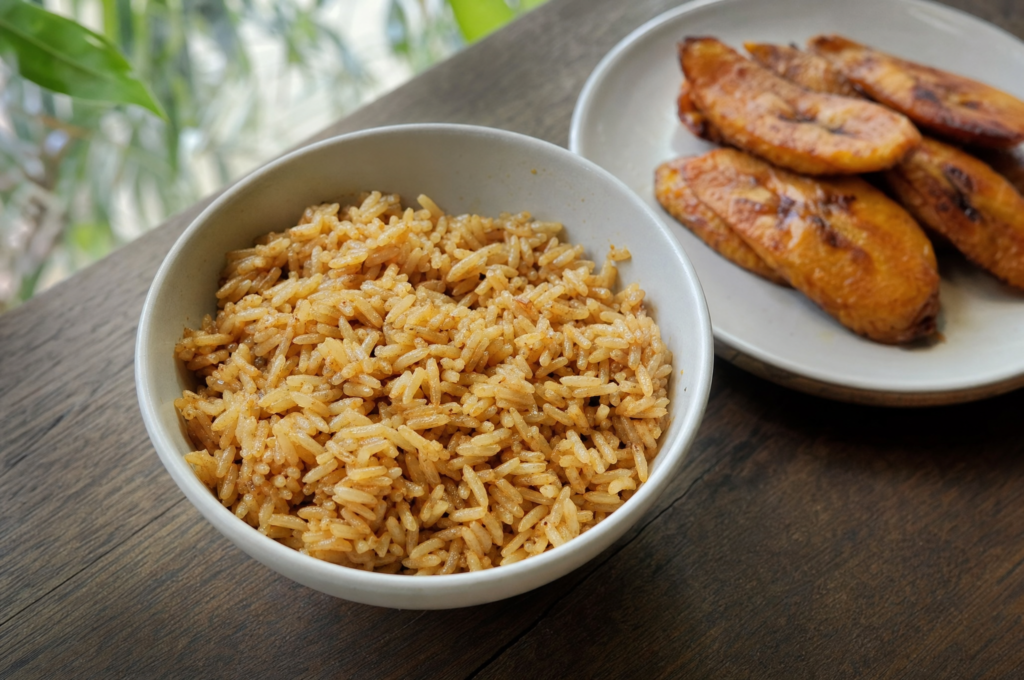
ProColombia’s Bolívar tourism guide describes a varied regional table that includes fried fish, posta negra cartagenera, coconut rice, arepa de huevo, ceviche cartagenero and traditional sweets. These are regional pointers, not a guarantee that a particular restaurant serves them every day. Ask how a kitchen prepares a dish instead of assuming one fixed recipe.
Fried snacks and fruit drinks can make an easy daytime introduction when a current seller or restaurant clearly identifies what is being served. For allergies or strict diets, ask the venue about ingredients, cooking oil and cross-contact. A dish name or menu label alone cannot establish that a meal is safe for an individual dietary need.
Two direct restaurant starting points
La Cevichería is in Barrio San Diego at Calle Stuart No. 7-14, according to its official contact page. Ask the restaurant directly for its current menu rather than relying on an archived dish list. Confirm ingredients, allergens, current prices and any wait or booking procedure directly with the restaurant.
Ahíto Bistro is in Getsemaní at Carrera 10 C #29-184. Its official site describes a Colombian menu drawing on cooking traditions from across the country and publishes its own location details. Use the restaurant’s live menu and contact/booking information to decide whether it suits your group; the regional description does not guarantee that a specific Cartagena dish is available on your date. Check opening information and dietary questions directly before making it the anchor of a short itinerary.
These are two different neighborhood choices rather than a ranked list: one seafood-focused option in San Diego and one Colombian-food option in Getsemaní. Compare the current menu and location with the rest of your day, then confirm the details that matter to your party.
One day: keep the food close to the historic center
On a single full sightseeing day, avoid crossing town just for every meal. Start with breakfast or a fruit drink near your lodging, then walk the Walled City and San Diego at a comfortable pace. If a traditional fritter or arepa de huevo is available from a seller that can identify its ingredients, make that a small snack rather than trying to turn it into a fixed meal stop. Leave the central part of the day open for shade and water. Choose one dinner in the historic center, such as La Cevichería in San Diego, after confirming its current menu and booking details directly. A late airport arrival or early flight means the food day may be shorter; it is fine to have one planned meal and keep the rest flexible.
Two days: add Getsemaní as its own meal zone
With two full days, keep the first day centered on the Walled City and San Diego, then choose a meal from a current menu in that area. On the second, spend time in adjoining Getsemaní and use Ahíto’s official site to check its present menu and booking details before making it the meal anchor. The neighborhoods meet, but the exact walk depends on your starting street, heat, event closures and mobility needs. Leave room to pause rather than assigning a tight door-to-door schedule.
Three days: protect the boat day from a rushed dinner
On a third full day, decide whether an island boat excursion is actually a priority. If it is, contact the chosen operator directly to verify pier name and map pin, check-in cutoff, return point, lunch inclusion, dock or port charges, weather cancellation and accessibility aboard the vessel. DIMAR identifies Muelle La Bodeguita as the authorized pier for public passenger transport to Rosario and San Bernardo. For any excursion, confirm the exact meeting point, check-in cutoff and return location directly with the operator named on your booking; do not infer a private departure point from the public-pier rule. Consult DIMAR’s Cartagena marine forecast close to departure. Do not reserve a fixed dinner immediately after the projected return. If you prefer not to go by boat, spend the third day on a slower city schedule and book a meal where it does not require a cross-town transfer.
Heat, diet, children, and access: verify the detail that matters
IDEAM’s long-run climate information describes a drier stretch from December through April and more frequent rain from May through November, with October especially wet in its averages. That is not a forecast. Carry water, allow a shaded break and keep outdoor walking plans flexible. For sea outings, use the current DIMAR marine outlook and the licensed operator’s go/no-go notice rather than a broad seasonal assumption.
For allergies, vegetarian or religious dietary needs, ask the venue about ingredients, cooking oil, shared surfaces, substitutions and cross-contact. A menu label alone is not an allergy-safety guarantee. Travelers with mobility needs should ask about step-free entry, restroom layout, seating, sidewalk approach and whether the route from the car or boat is manageable. Ask about a child seat or high chair only if it matters, and confirm it with the venue. These practical checks work better than assuming that a historic building or seafood restaurant has a particular facility.
Search the venue’s address in your preferred map app for orientation, then verify the entrance and current access directions with the venue. A map address search does not establish an exact pin, the best walking route, step-free access or current operating status. When the location is inside narrow historic streets, ask where a car can actually drop passengers and luggage.
Before you choose a meal
Use current operator menus and booking links, and reconfirm hours, dishes, prices, reservations and allergy procedures for your dates. Food availability may change seasonally. Cartagena’s street-food scene and restaurants both reward a flexible plan: decide which neighborhood you will be in, pick one specific meal worth booking ahead, and leave enough time for the city’s heat and any boat return.
Menus, hours, marine conditions, transit service and access details can change; reconfirm with the venue or operator for your dates.
Check the official sources
Schedules, admission, fares and service can change. Recheck these for your travel dates.
- lacevicheriacartagena.com (checked 2026-09-28)
- meteorologia.dimar.mil.co (checked 2026-09-28)
- ideam.gov.co (checked 2026-09-28)
- dimar.mil.co (checked 2026-09-28)
- procolombia.co (checked 2026-09-28)
- ahitobistro.com (checked 2026-09-28)