
Pilgrimage
Fátima Pilgrimage Guide
A practical, respectful guide to worship, arrival, local lodging and meals, with flexible one-, two- and three-day plans for Fátima.
How long is your visit?
Choose an itinerary, or read the full guide below.
Check the full guide for arrival, ticket, accessibility and booking details.
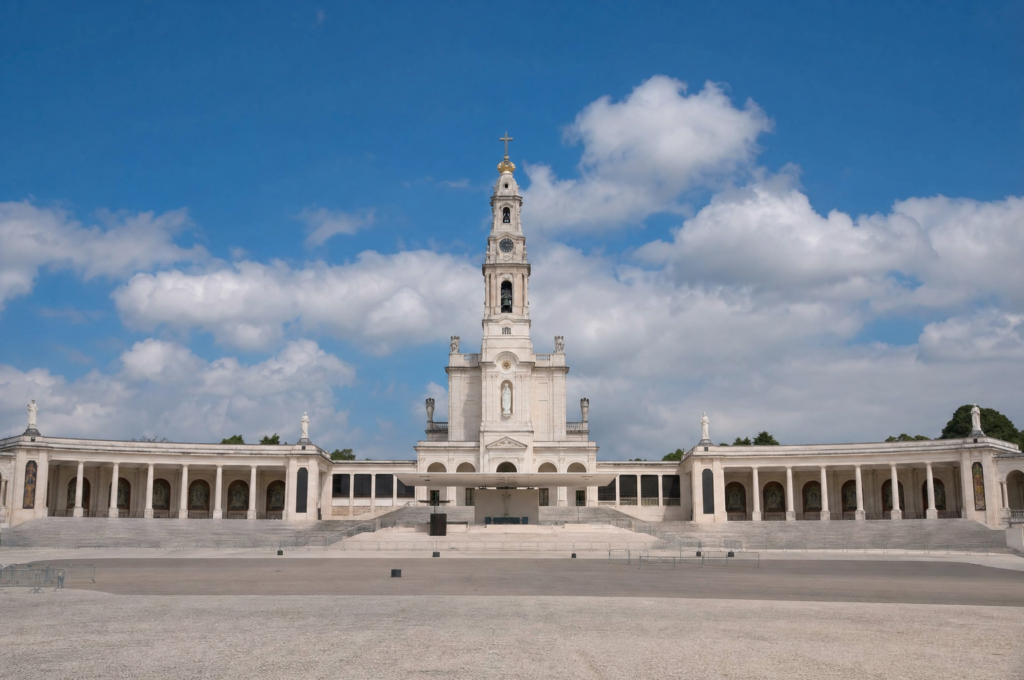
Fátima is a Catholic pilgrimage destination in central Portugal, centered on the Sanctuary of Fátima at Cova da Iria. The sanctuary marks the place associated with the reported 1917 apparitions to three shepherd children and the religious tradition that developed around them. Pilgrims come for prayer, liturgy, reflection and historical interest. Plan with the sanctuary’s own calendar, leave room for quiet, and treat its active worship spaces as places of prayer.
How the sanctuary fits together
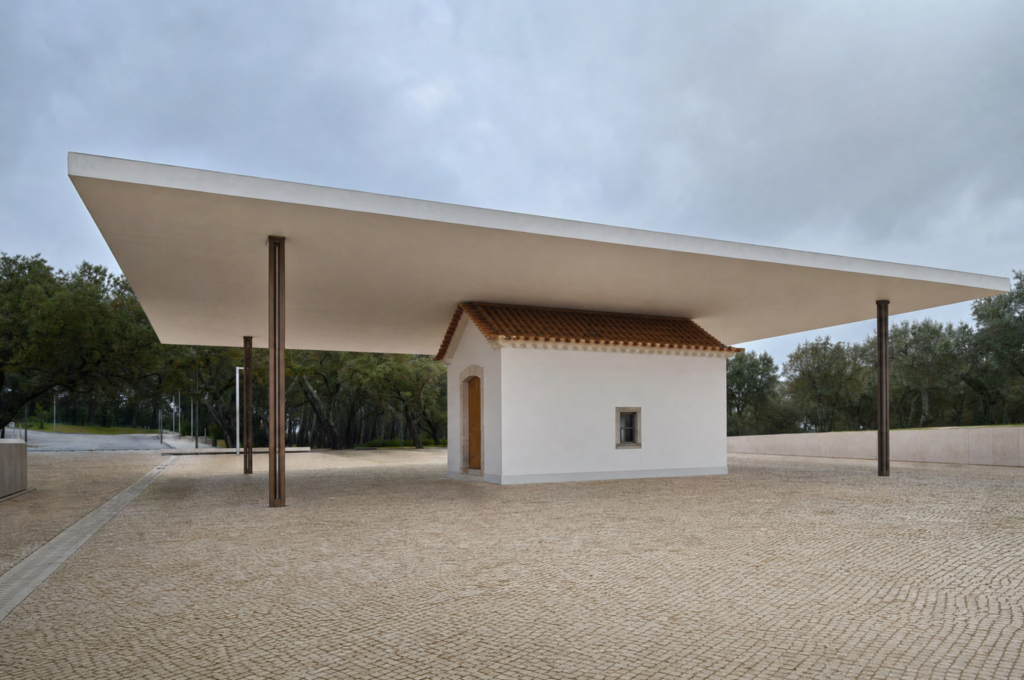
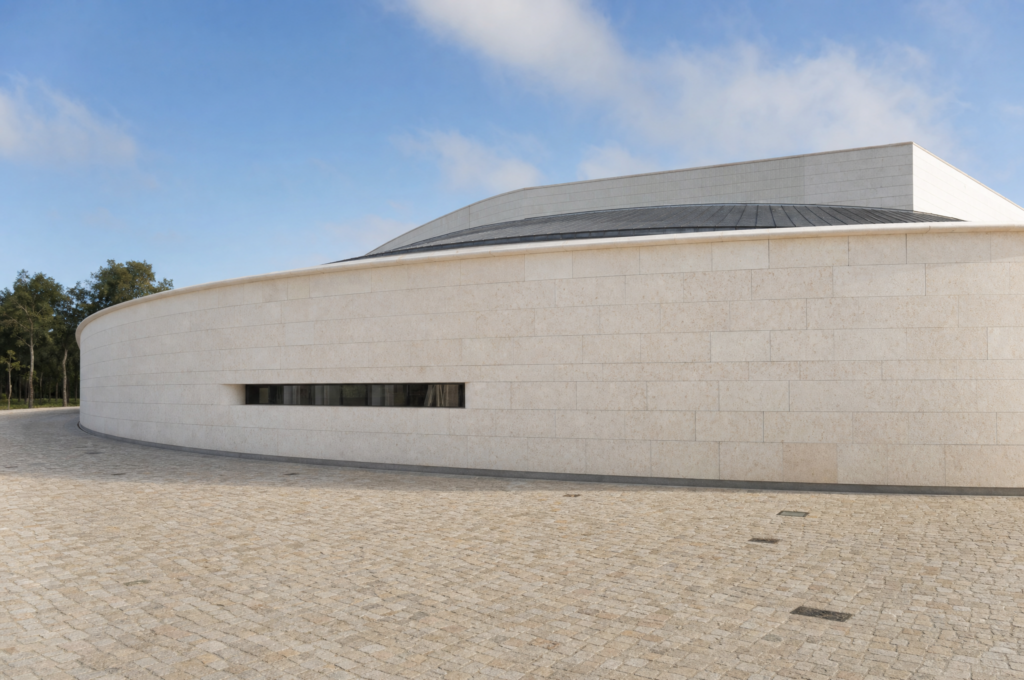
The Chapel of the Apparitions stands at the center of the large Prayer Area. Nearby, the Basilica of Our Lady of the Rosary and the Basilica of the Holy Trinity serve different parts of the shrine’s liturgical life; celebrations may also take place outdoors. The shrine’s guide to places of worship explains the chapels and basilicas, while its Mass page links the changing daily program. Check both shortly before travel: liturgy is scheduled by date, language and location, and service arrangements can shift with major celebrations.
Give the central precinct more time than a quick photograph stop. A meaningful visit can include sitting quietly in the Prayer Area, entering the Chapel of the Apparitions when appropriate, and seeing the two basilicas without trying to race between them. The shrine’s museums, temporary exhibitions and pastoral activities are optional additions; check current opening information before making any of them essential. Its official app and visitor information can help orient you on arrival.
Arrival and getting oriented
Lisbon is a common air gateway, with Porto another possibility for a wider Portugal itinerary. Visit Fátima’s arrival guide describes airport and road connections; its distances are orientation information, not a promise of journey time. Direct coach service may connect Lisbon Airport and Fátima, but check the operator’s current departure point, baggage rules, ticket conditions and schedule against your flight. A late landing can make a pre-arranged transfer or an overnight in Lisbon more practical than trying to catch the final coach.
Fátima has no railway station in town. Rail travelers should check the current CP service to Caxarias and the separate onward connection before buying a ticket; do not assume a train delivers you to the sanctuary. Visit Fátima and CP publish connection information, but timetables and coordination vary by date. A direct coach is often simpler when the departure aligns with your itinerary. Driving on the A1 or IC9 can help if you are linking several towns, while a car adds little to a stay centered on the sanctuary itself. Confirm parking and the exact drop-off with your lodging.
On arrival, orient yourself around the Prayer Area and the entrance you will use, then locate your hotel or meal stop before a service. The precinct is broad; mobility, heat, rain and event crowds can make repeated back-and-forth walking tiring. Travel light for a day visit, keep medications and water with you, and agree on a meeting point if your party separates. If you have mobility or sensory access needs, contact the shrine and property directly with a specific question about your route and destination. Listed services, including wheelchair loans described by the shrine, require confirmation and do not establish that every route is suitable.
Worship, etiquette and a calmer pace
Use the official calendar to distinguish Mass, rosary, adoration, processions and other events. These are different forms of worship, and a posted site opening period is not a Mass time. For Catholic visitors, the shrine’s official Mass schedule is the primary source. You can also find Mass times on MassTimes.org by searching “Sanctuary of Our Lady of Fátima, Fátima, Portugal”; confirm any result against the shrine’s own page, especially for language and seasonal dates.
Arrive with enough margin to find the right chapel or basilica without interrupting a celebration. Keep voices low, follow staff and posted directions, and leave space for people praying. Ask before photographing identifiable worshippers, and respect any restrictions on photography or movement during services. There is no need to perform a particular devotional gesture to be a respectful visitor. If you are not Catholic, you can observe quietly from public areas and choose whether to enter a service.
Organized groups should use the shrine’s current pilgrim-service guidance for registration or requests. Registration supports coordination; it does not guarantee a private liturgy, reserved place or special access. Independent visitors should use the public calendar and not assume that group-only arrangements are open to walk-ins.
One day: focus on Cova da Iria
Begin by checking the date’s worship program and deciding which celebration, if any, you want to attend. Visit the Chapel of the Apparitions when it fits around services, then spend unhurried time in the Prayer Area. Choose one basilica visit before lunch and the other later, leaving space for rest and a meal. If a service begins while you are nearby, let it guide the sequence instead of treating the site list as a checklist. Keep an exhibition or museum as a flexible option after verifying that it is open. A single day works best when you accept that the shrine is a place to spend time, not a set of rooms to clear.
Two days: add the villages connected with the story
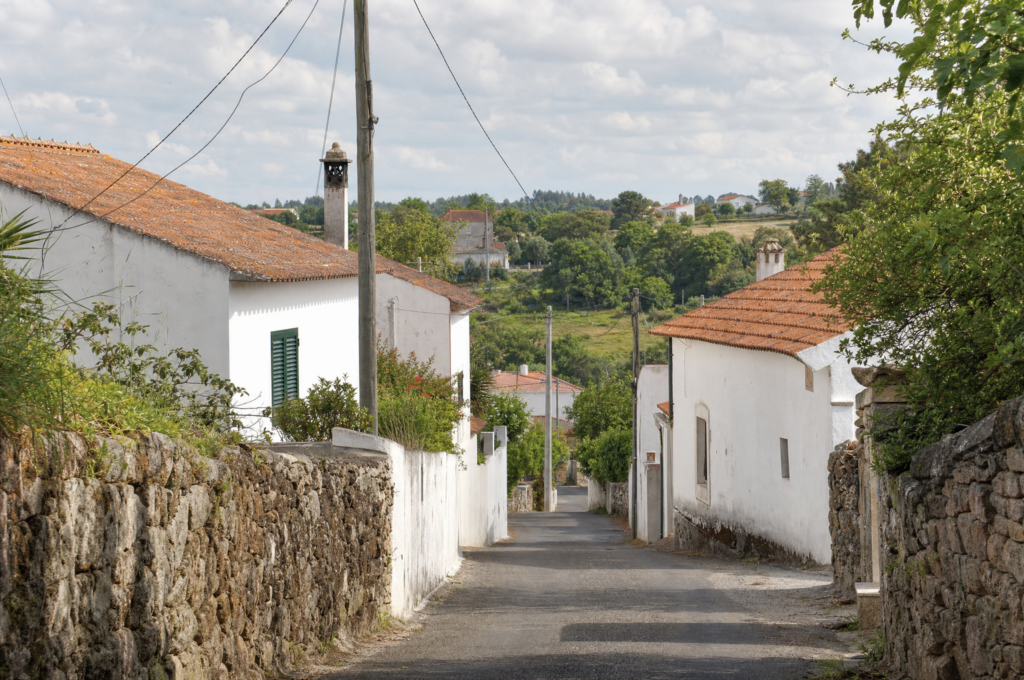
Use day one for the central sanctuary and its liturgy. On day two, consider Aljustrel and Valinhos, which sit outside the central precinct and are associated with the shepherd children and the Fátima story. The shrine publishes walking-pilgrim materials, but route conditions, distance, surfaces and return options deserve a fresh check; do not follow a map line without confirming that it suits your group. Arrange local transport if a long walk is not right for you. Return to the sanctuary with enough energy for a quiet visit or a scheduled activity, rather than trying to combine every satellite site and every service.
Three days: let the third day remain flexible
With three days, spread the central sites over two visits and keep one day open for prayer, a group program, a confirmed exhibition or a slower return to a favorite place. If you are walking into Fátima, the extra day can serve as recovery. Pilgrims walking from other towns should read the shrine’s safety preparation advice before setting out: plan food and sleep, avoid unsafe roadside walking, account for heat and darkness, and check conditions locally. Its seasonal assistance is limited and can change; it is not a hotel reservation. Build the final day’s plan only after checking the current calendar, opening information and return transport.
Where to stay
For a one- or two-night pilgrimage, staying in Cova da Iria near the sanctuary can make rest breaks and early or evening services easier. A station-side or outer-area base may suit a road or rail arrival, but compare the real last-mile connection before booking. Verify the address, check-in window, luggage storage, meal hours, room access, current amenities, total cost and cancellation terms directly with the property; don’t infer these from a map pin or a general listing.
Hotel Santa Maria describes itself as beside the sanctuary and publishes its room and dining information on its official site. Hotel Fátima also presents its location close to the shrine and provides direct hotel and restaurant details. These are examples to compare by your route and needs, not endorsements or a claim about current availability. Check the official booking pages for the room, dates and terms you need. The local tourism office’s accommodation directory can help identify other properties; follow through to each operator for current facts.
Meals that fit a pilgrim’s day
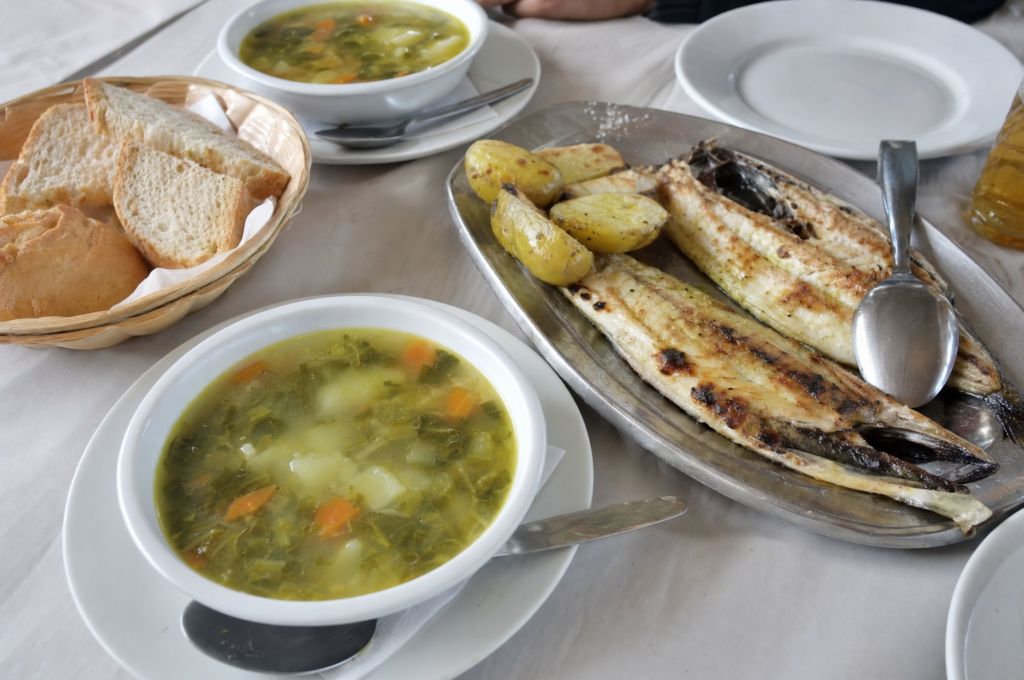
Restaurants and cafés around the sanctuary make an early or late meal possible for many itineraries, but opening hours may vary with season and pilgrimage dates. Anchor meals to your service plan and leave a buffer after large celebrations. If you are walking to Aljustrel or Valinhos, check provisions and return transport before leaving the center. Ask venues directly about ingredients, allergies, dietary needs and reservations.
The official Visit Fátima where-to-eat directory is useful for comparing nearby addresses. Restaurante Bia publishes its Portuguese-cuisine focus, address near the sanctuary and direct contact information on its own site. Restaurante Tia Alice publishes its menu and venue information on its official site; it is an option to compare if you are willing to go beyond the immediate sanctuary blocks. Confirm today’s menu, ingredients, hours and reservation options directly. Hotel Santa Maria and Hotel Fátima both describe on-site dining on their official sites, which may be convenient after an evening program. The useful choice is the one that fits your route and schedule; no particular restaurant is part of the pilgrimage itself.
Fátima is in the interior rather than on Portugal’s coast, so a simple meal plan can be more useful than trying to build the visit around a long restaurant list. Decide whether breakfast is covered where you stay, identify one meal near the sanctuary between planned activities, and keep a backup option close to your evening route. For a group, ask in advance about seating and service timing; do not assume a kitchen can accommodate a large party at short notice. Visitors with dietary restrictions should confirm ingredients directly instead of relying on a translated menu alone. A bottle of water and a light snack are sensible for a longer walk outside the central precinct, subject to current site rules.
Practical checklist
- Recheck the sanctuary’s calendar and Mass page for the actual date, language and location of a service.
- Check the coach operator or CP connection end to end, including baggage, terminal and final transfer.
- Contact the shrine about a particular access need, group request or walking-pilgrim arrangement.
- Confirm hotel check-in, meal hours and route to the sanctuary before arrival.
- Keep a flexible meal and rest window, especially on major pilgrimage dates.
- Follow signs and staff guidance, protect worshippers’ privacy, and leave space for prayer.
Timetables, programs, transport, property services and restaurant hours change. Confirm each detail with the operator for your travel dates.
Check the official sources
Schedules, admission, fares and service can change. Recheck these for your travel dates.
- fatima.pt (checked 2026-09-27)
- masstimes.org (checked 2026-09-27)
- fatima.pt (checked 2026-09-27)
- hotelstmaria.com (checked 2026-09-27)
- hotelfatima.pt (checked 2026-09-27)
- visitfatima.pt (checked 2026-09-27)
- restaurantebia.pt (checked 2026-09-27)
- site.restaurantetiaalice.pt (checked 2026-09-27)
- visitfatima.pt (checked 2026-09-27)