
Food
Where to Eat in Florence: Lampredotto, Ribollita and Bistecca
A practical Florence food companion to lampredotto, ribollita, pappa al pomodoro and bistecca alla fiorentina, with five current venue examples, market and neighborhood context, menu caveats and flexible one-to-three-day plans.
How long is your visit?
Choose an itinerary, or read the full guide below.
Check the full guide for arrival, ticket, accessibility and booking details.
Florentine food is easier to explore when you pair a few regional dishes with the right kind of stop. Lampredotto is a slow-cooked beef offal sandwich traditionally bought from a street kiosk; ribollita and pappa al pomodoro are bread-based Tuscan soups; and bistecca alla fiorentina is a large, grilled T-bone steak commonly served rare. They suit different appetites and budgets, and they are not available at every venue every day. Florence’s official tourism site, FeelFlorence, also points visitors toward panzanella, crostini with liver, beans all’uccelletto and Tuscan olive oil as part of the local table.
What to taste in Florence
Lampredotto is the fourth stomach of cattle, simmered in broth, sliced and often served in a soft roll with salsa verde and optional chili sauce. It is a classic Florentine street food sold by trippai at kiosks and market counters. A panino bagnato has its top bun dipped in the cooking broth. The flavor is savory and the texture tender but distinctive; this is offal, so ask what part of the animal is used if that matters to you. FeelFlorence describes the sandwich and its street-stall setting in its lampredotto guide.
Trippa alla fiorentina is another offal dish, typically tripe cooked with tomato and aromatics; recipes differ. Some menus also list lampredotto as a plated dish. These are not vegetarian dishes, and they may not appeal to every diner, so look at the menu before choosing a shared meal.
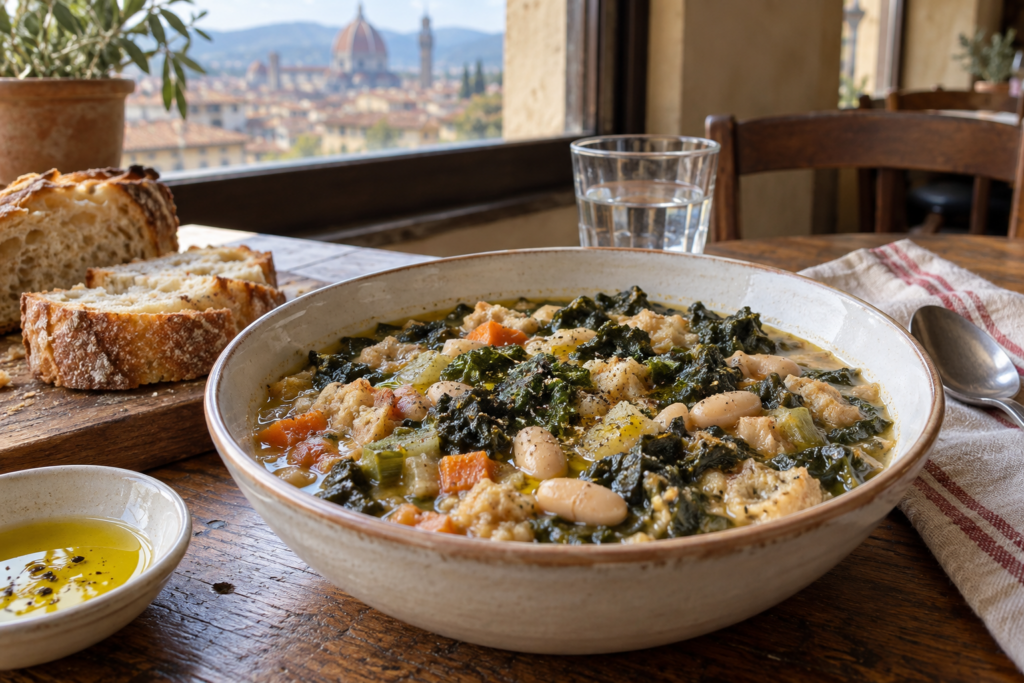
Ribollita is a thick, reheated Tuscan bread and vegetable soup commonly made with cannellini beans, cavolo nero or other greens, and stale bread. Pappa al pomodoro is a soft, spoonable tomato-and-bread preparation with olive oil and herbs. Recipes and texture vary between kitchens. Both are often meat-free by recipe, but stock, cheese, or kitchen cross-contact can vary; confirm with the restaurant if you need a vegetarian or vegan meal. Summer menus may emphasize pappa al pomodoro and panzanella, while ribollita is more common in cooler weather. FeelFlorence identifies both soups as traditional foods and notes panzanella as another local dish.
Bistecca alla fiorentina is a thick T-bone or porterhouse cut grilled over high heat and traditionally served rare. It is usually sold by weight and intended for sharing, so ask the current minimum size, price per hectogram and whether the listed price is raw weight before ordering. A steak can be a substantial meal; plan a lighter lunch or split sides. Menus may distinguish Chianina beef from other beef, and the cut, sourcing and price should be checked at the table.
Other Tuscan flavors include crostini with chicken liver, pici or pappardelle with ragù, beans with olive oil, pecorino, Tuscan bread, and seasonal sweets such as schiacciata alla fiorentina during Carnival. These foods can include meat, dairy, gluten and wine. Dishes like wild-boar pasta are Tuscan rather than uniquely Florentine, but they are common options on city menus.
San Lorenzo and the central market
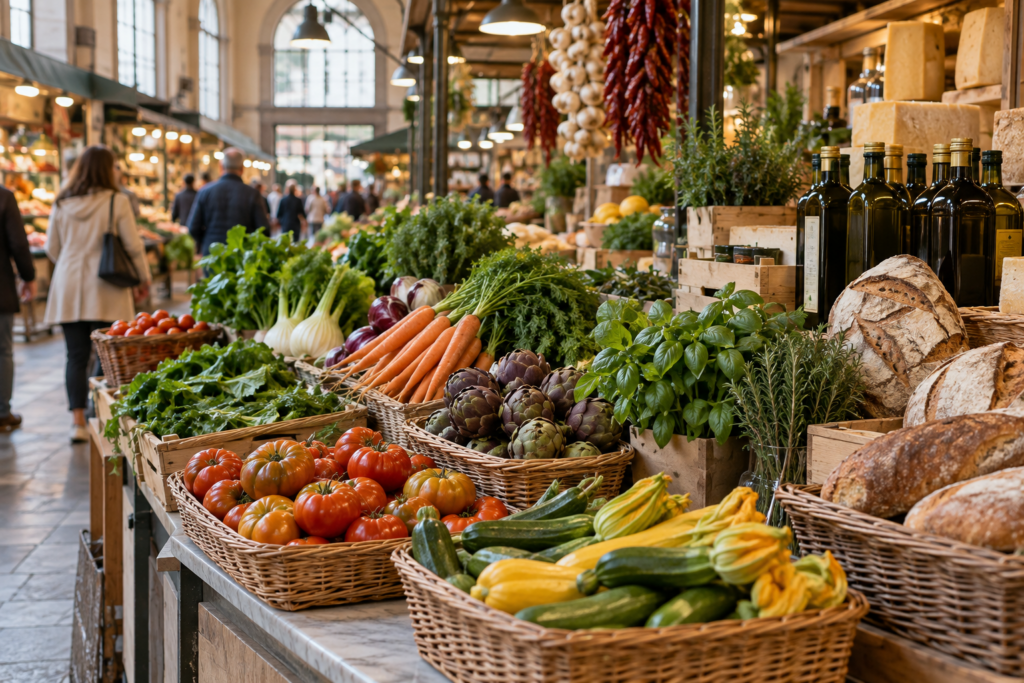
Mercato Centrale sits in San Lorenzo, north of the Duomo and a short walk from Santa Maria Novella station. FeelFlorence describes the historic ground-floor market, its small trattorias, and the upper-floor food hall. The food hall is convenient for groups who want different dishes and casual shared seating; the traditional market counters suit an earlier daytime visit, and their hours and operators differ. Check the venue’s current hours before making a plan, especially on Sundays and public holidays.
The Bambi Family at Mercato Centrale — lampredotto. Mercato Centrale’s official artisan directory lists the Bambi Family under “The Lampredotto.” This is a direct lead for a market-counter version of the sandwich, with a choice of condiments depending on what is being served. The market’s operating guide explains that visitors order and pay at individual stalls, while shared tables are available in the food hall. Check the live directory and hours before visiting; vendor menus and availability may change. Official artisan directory · How the market works.
Sant’Ambrogio and the east side
Sant’Ambrogio is a working-market area east of the Duomo. It fits a morning market visit and lunch before walking toward Santa Croce. Market food counters can have short service windows, so avoid arriving near closing if a specific dish is the goal.
Da Rocco Trattoria — inside Mercato di Sant’Ambrogio. Its current operator menu lists pappa al pomodoro, ribollita, trippa alla fiorentina, lampredotto, peposo and several other rotating or weekday dishes. The venue posts weekday lunch hours from 11:30 a.m. to 2:30 p.m. and says it is open Monday through Saturday. Items may be seasonal or assigned to particular days, so check the live menu before making a special trip. The operator advises guests with allergies or intolerances to ask staff for its allergen book. Da Rocco menu and hours.
Santa Maria Novella and the historic center
The streets west of the Duomo and around Santa Maria Novella make a convenient dinner area after sightseeing. They offer both focused Tuscan menus and broader restaurant menus; reserve ahead if you are planning the steak as a centerpiece, and verify kitchen hours rather than relying on general restaurant opening times.
Trattoria Nerone — Via Faenza. The operator’s menu currently lists pappa al pomodoro, lampredotto tagliatelle, trippa alla fiorentina, peposo and bistecca alla fiorentina, with steak sizes and prices shown. Its address is Via Faenza 95/97R, close to Santa Maria Novella. This range works for a group that wants a soup or pasta alongside a steak order. Check current prices and the operator’s allergy information; its menu notes that all 14 major allergens are used in the kitchen. Nerone menu and contact information.
Trattoria Alfredo — Via dei Leoni. Alfredo’s current menu lists ribollita, vegetable soup and bistecca alla fiorentina, with the steak priced by weight and a 600-gram minimum. It also publishes lunch and dinner service windows. This is a central option for trying a Tuscan soup or arranging a shared steak; confirm the day’s availability and final price per weight before ordering. Alfredo’s official menu, address and hours.
Oltrarno: a dinner across the Arno
Oltrarno’s lanes are across the river from the Duomo, around Santo Spirito and Palazzo Pitti. The area works well for a slower dinner after crossing Ponte Vecchio or Ponte Santa Trinita. Return routes involve bridge crossings and some uphill walking if you continue toward viewpoints.
Trattoria 4 Leoni — Piazza della Passera. The operator locates the trattoria between Ponte Vecchio and Palazzo Pitti and describes a seasonal Tuscan menu: pappa al pomodoro and panzanella in summer, ribollita and bean soups in winter, alongside bistecca alla fiorentina and other dishes. The restaurant publishes daily opening hours and an online booking link. Because its menu follows season and market availability, use the live menu and reserve if the timing matters. 4 Leoni official site, location and current menu links.
One, two or three days of Florence eating
One day: Begin with coffee and a pastry, then try a lampredotto sandwich at the Bambi counter in Mercato Centrale or from another currently operating trippaio. For lunch, choose a soup or a market meal at Da Rocco if its service window fits. At dinner, decide whether bistecca is a priority: ask a restaurant such as Nerone or Alfredo about minimum weight, price and sharing before ordering. Skip a second heavy meal if the steak is large.
Two days: Spend one morning around San Lorenzo and Mercato Centrale; compare a lampredotto sandwich with other market specialties, then keep dinner for a seated Tuscan meal at Nerone. On day two, visit Sant’Ambrogio in the morning and have lunch at Da Rocco for a soup or tripe dish, checking that your choice is being served. Cross the Arno in the evening for a seasonal dinner at 4 Leoni. Keep the itinerary flexible around lunch-only service and market hours.
Three days: Use day one for San Lorenzo and a lampredotto stop, day two for Sant’Ambrogio and its market lunch, and day three for Oltrarno. Place a shared bistecca dinner on the day when you can make a reservation and split the steak with companions; choose a lighter soup or sandwich on the other days. Look for seasonal pappa al pomodoro, panzanella or ribollita on the live menus. Add gelato or a small pastry when convenient rather than treating every specialty as a full meal.
Practical notes
Florence’s historic center is walkable, but cobbles, pedestrian zones and bridge crossings add time. Market counters and trattorias often have narrower meal service than their general opening hours suggest. Some restaurants close one or more days each week; verify on the operator’s page or by contacting them directly. Reservations are especially useful for a planned steak dinner or a popular evening table.
Menu names do not guarantee a dish is available on your visit. Seasonal soups change, market stalls keep individual schedules, and steak is sold by weight. Confirm portion size, price and preparation with the server. Tuscan soups may use meat stock even when they look vegetable-based. Offal dishes contain beef stomach; bistecca is beef; liver crostini contains offal; and ragù often contains meat and wine. For allergies, vegetarian or vegan diets, ask about ingredients, stock, cheese, bread, shared equipment and cross-contact directly with the venue. Do not rely on an online menu alone for allergy safety.
Prices and hours in linked menus can change. The examples here are practical leads checked against current operator or official tourism pages on September 27, 2026, not a ranking or a claim of personal visits. Recheck links shortly before travel.
Official Florence food and venue references
- FeelFlorence: traditional Florentine food
- FeelFlorence: lampredotto and trippai
- FeelFlorence: Mercato Centrale and market context
- Mercato Centrale: official artisan directory
- Mercato Centrale: ordering, seating and visitor information
- Da Rocco: menu, allergen note, market address and hours
- Trattoria Nerone: menu, steak sizes, allergen details and address
- Trattoria Alfredo: menu, address and service hours
- Trattoria 4 Leoni: location, seasonal menu and booking links
Check the official sources
Schedules, admission, fares and service can change. Recheck these for your travel dates.
- feelflorence.it (checked 2026-09-27)
- feelflorence.it (checked 2026-09-27)
- feelflorence.it (checked 2026-09-27)
- mercatocentrale.com (checked 2026-09-27)
- mercatocentrale.it (checked 2026-09-27)
- daroccotrattoria.com (checked 2026-09-27)
- trattorianerone.it (checked 2026-09-27)
- trattoriaalfredofirenze.it (checked 2026-09-27)
- 4leoni.it (checked 2026-09-27)