
Food
A Guanacaste Food Guide: Corn Traditions, Markets, and Pacific Seafood
Find Guanacaste corn dishes, traditional markets and current restaurant starting points in Liberia, Santa Cruz, Nicoya, Sámara and the Tamarindo area.
How long is your visit?
Choose an itinerary, or read the full guide below.
Check the full guide for arrival, ticket, accessibility and booking details.
Guanacaste food is shaped by both the Pacific coast and the region’s corn-growing and ranching traditions. The tourism board’s regional guide covers separate beach, inland and peninsula areas; its regional food material describes maize, rice, meat, fish and seafood preparations rather than one fixed menu for every town. Use the dishes below as things to ask about, not promises that a restaurant serves them each day. The best food plan follows your overnight base: Liberia, Santa Cruz/Nicoya and the beach towns are separate meal areas.
Regional foods to recognize
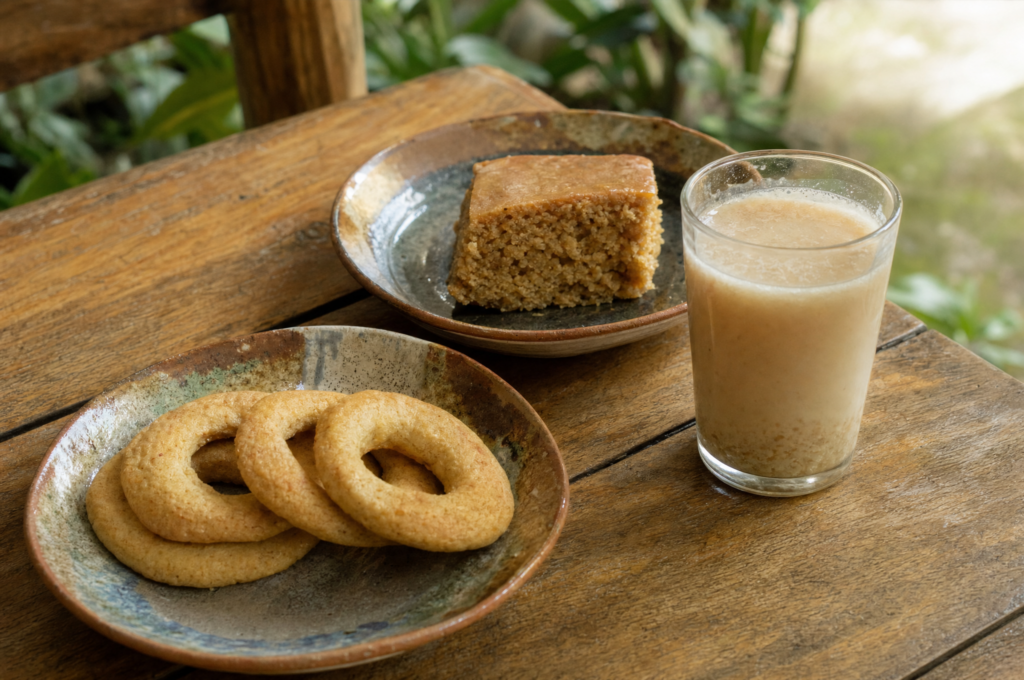
Rosquillas and tanelas are corn-based baked foods associated with Guanacaste. The official tourism guide describes rosquillas using corn and dry cheese, and tanelas as a sweet corn bread with tapa de dulce and cheese. These are useful coffee-break foods to look for at a market, bakery or local food cooperative. Recipes and shapes vary; ask what is freshly made.
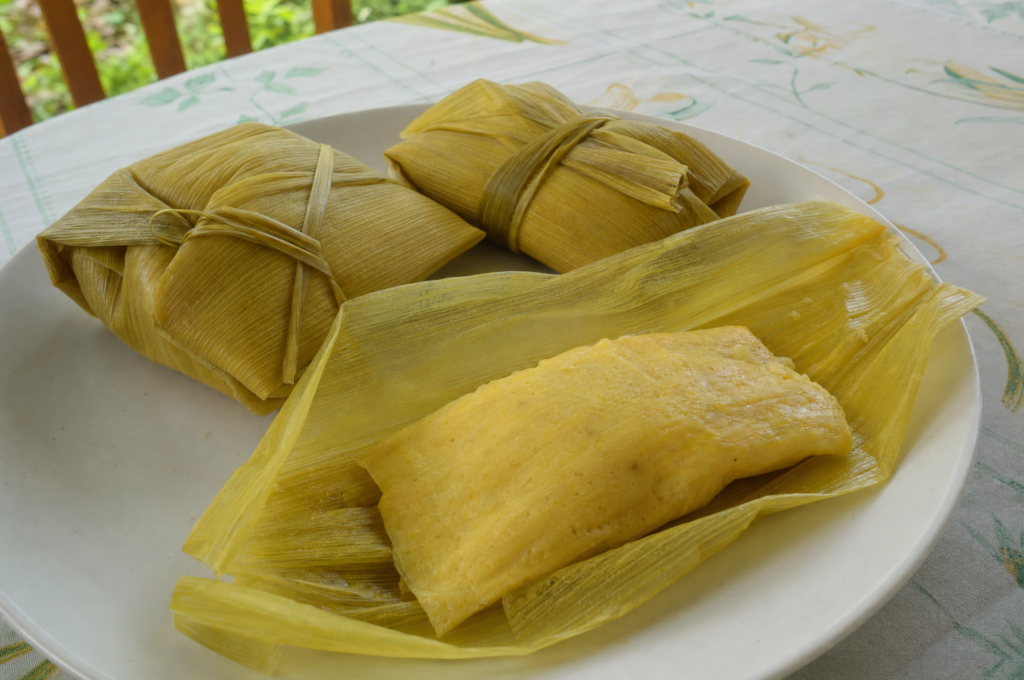
Arroz de maíz is a traditional corn-based preparation whose name can confuse first-time visitors: the tourism guide explains that it is based on corn rather than rice. Yol or yoltamal is a tender-corn tamal, while ayaco is a more involved local stew with corn and other ingredients. Chicheme is a regional drink based on pujagua corn. The same guide names gallina achiotada, chilote stew and picadillo de papaya among dishes associated with the Nicoya market. Availability can be seasonal or tied to a particular kitchen; ask before making a special trip (ICT’s Guanacaste food and market guide).
At the coast, look for the fish or seafood preparation on the current menu rather than assuming every place serves the same catch. A ceviche, seafood soup, grilled fish or rice-and-seafood dish can be a practical way to sample the Pacific side. Ask the restaurant which fish is being served and how it is prepared; a menu description does not establish the catch’s origin or guarantee a particular species.
Where to find a meal by base
Liberia: a traditional Costa Rican meal or breakfast stop. La Choza de Laurel identifies itself as a typical Costa Rican restaurant and highlights its casado. It is a useful starting point if your first or last night is in Liberia and you want a familiar lunch or early dinner before the coast transfer. Check the operator’s live menu and booking link before you go; this is not a claim that every regional dish is available there.
El Amanecer Liberia publishes its Plaza Santa Rosa location and serves breakfast, coffee and brunch; its current page mentions gallo pinto and shows a casado plate. This can fit an arrival or departure morning when you are based in Liberia. Review the live menu and confirm service directly if you have a tight airport connection. The operator page also lists current posted hours, but recheck them for your date.
Santa Cruz and Nicoya: community food traditions. The Ministry of Culture’s Coopetortillas profile documents a Santa Cruz cooperative associated with tortillas, rosquillas, tanelas, atol, gallo pinto and arroz de maíz. The profile is a cultural record, not a live restaurant-status feed; contact the cooperative through the current official channels before routing a trip around it. The ICT guide identifies Mercado Nicoa in central Nicoya as a place for traditional foods and lists local dishes and drinks. Treat its names and directions as a useful discovery lead, then confirm the market’s current operation and what kitchens are open that day.
Sámara: seafood with the peninsula town base. Mar & Fuego publishes a current digital menu, location in Playa Sámara and seafood items including ceviche, shrimp and octopus. It can work for dinner when you are already based in Sámara; check its current menu, service schedule and reservation information directly. The restaurant also serves pizza and pasta, so it offers an alternative for groups who do not all want seafood.
Huacas/Tamarindo area: a hotel restaurant option. The operator page for Seis Playas Hotel’s restaurant lists a typical Costa Rican breakfast, casados, seafood rice, ceviche and catch of the day. Its own address is on the Huacas crossroad south of Huacas and uses a Tamarindo-area postal description. Confirm the exact location, restaurant access, current menu and whether an outside diner can book before making a detour. Do not confuse it with a restaurant in central Tamarindo.
Plan meals around one town at a time
One food day in Liberia: choose gallo pinto or another breakfast from a current menu, take lunch at a local Costa Rican restaurant such as La Choza de Laurel, then keep dinner near your lodging or airport transfer. Use the official Liberia history page to pair an old-town walk with a meal if timing permits. Do not combine a Liberia meal stop with a same-day Sámara dinner unless your real transport plan leaves ample time.
Two food days on the coast: if you are staying in Tamarindo, try one local breakfast and one seafood meal from a current restaurant menu, then keep the second day flexible for a nearby town or a beach activity. If you choose Sámara instead, look for a local corn or market food in the Nicoya region on the route only if the market and transfer are confirmed; eat dinner in Sámara rather than assuming you can make a late cross-region return. Choose one base for the two days.
Three food days: spend the first day sampling your base town, the second on regional dishes or a market whose status you reconfirmed, and the third on a different meal style—coastal seafood, a casado or a local corn preparation. If you want to move from Liberia/Tamarindo to Sámara or Nosara, reserve the move as a travel stage and choose the meal stop only after checking the exact route and arrival. The Tourism Board notes that bus companies set their own routes, terminals and schedules (travel resources); verify the correct operator and connection before planning a meal excursion. Three regions in three days leaves little time for eating locally at a relaxed pace.
Dietary, access and timing details
Traditional dishes can contain meat, dairy, wheat, egg, fish or shared preparation surfaces. A menu’s “vegetarian” label or a staff member’s brief description does not guarantee allergy safety or prevent cross-contact. Tell the restaurant exactly what you need and ask about ingredients and preparation. Local markets may have steps, crowded aisles or uneven access; confirm the specific stall and route rather than relying on a market-wide listing. For young children or travelers with limited mobility, choose a restaurant close to the hotel and verify seating, restroom and step-free details with the venue.
Food-service hours and menus change, particularly around holidays and seasonal travel periods. Use the operator’s direct menu or booking page on the day you plan to visit. Market guides help identify cultural foods but should not be treated as proof of current opening hours. Bring a flexible backup meal near your base in case a market kitchen, beach restaurant or tour return schedule changes.
The point of a Guanacaste food itinerary is not to tick off a dish in every canton. It is to notice how corn traditions, market kitchens and coastal seafood change with the place you are staying. A few well-chosen meals, with the current menu checked and the return transfer planned, will give you more than a long cross-region restaurant list.
Check the official sources
Schedules, admission, fares and service can change. Recheck these for your travel dates.
- ict.go.cr (checked 2026-09-28)
- adminsi.cultura.cr (checked 2026-09-28)
- lachozadelaurel.com (checked 2026-09-28)
- amanecerliberia.com (checked 2026-09-28)
- seisplayashotel.com (checked 2026-09-28)
- maryfuegosamara.com (checked 2026-09-28)
- visitcostarica.com (checked 2026-09-28)
- visitcostarica.com (checked 2026-09-28)