
Pilgrimage
Hajj to Makkah Guide: Eligibility, Official Booking, and Pilgrim Preparation
A practical starting point for Muslims preparing for Hajj: understand the official visa and permit system, choose the authorized country-specific route, plan health and arrival logistics, and prepare for the full pilgrimage without reducing its rites to a short visit.
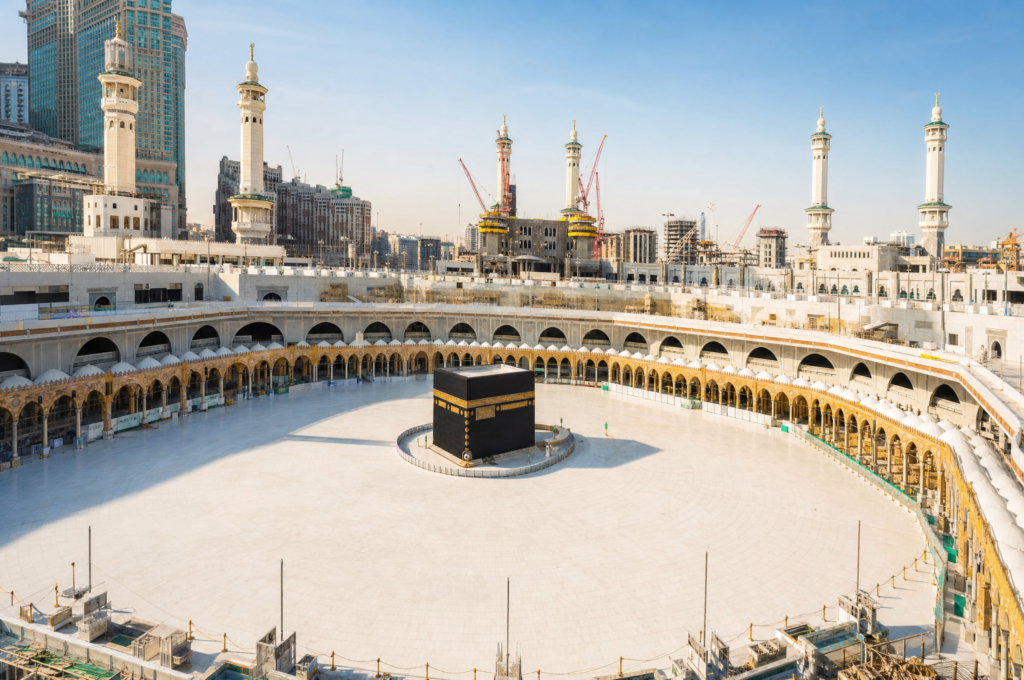
How long is your visit?
Choose an itinerary, or read the full guide below.
Check the full guide for arrival, ticket, accessibility and booking details.
Hajj is a central act of worship in Islam and a pilgrimage with defined rites, obligations, and a season set by the Islamic calendar. This guide is for Muslims preparing through an authorized Hajj process. It is not an ordinary Makkah sightseeing itinerary, a do-it-yourself ritual manual, or a substitute for the Ministry of Hajj and Umrah, your authorized Hajj provider, your national Hajj mission, or a qualified religious guide.
Begin with eligibility and the official route
Start with the Hajj route that applies to your nationality and place of residence. For many international pilgrims, the Saudi Ministry of Hajj and Umrah’s Nusuk Hajj platform publishes the countries it serves, registration steps, eligible packages, and authorized providers. The platform’s FAQ describes the Direct Hajj Program for people from countries with Muslim minorities that do not have official Hajj missions, and says packages for countries covered by that program must be booked through Nusuk Hajj. Service countries and the process can change by season; the currently published country list is for Hajj 1447/2026 and should not be treated as a promise of eligibility or package availability for a future year.
If your country is not served by the direct platform, contact the official Hajj mission, Ministry of Religious Affairs, or other government-designated body responsible for your country’s pilgrims. The Saudi Ministry has warned against unofficial booking channels and fake Hajj offers. Check that the agency or service provider is named in the current official process for your country before paying. A social media advertisement, a travel agent’s general licence, a hotel reservation, a tourist visa, or a third-party “Hajj permit” offer is not proof that you have an authorized Hajj place.
The Nusuk Hajj global packages form currently collects expressions of interest, and its notice says that submitting the form does not confirm a booking. Use that page only for the purpose stated there. Wait for the current season’s official package and registration instructions, then confirm exactly what the price includes, which entity is responsible for each service, and how the permit and visa are issued. Keep official confirmations, receipts, contract terms, emergency contacts, and cancellation rules together. Never hand over passport details or payment to a party whose identity and authority you have not verified independently.
Saudi rules are explicit: a Hajj visa is required to perform Hajj, and a visit or tourist visa does not authorize the pilgrimage. The official Saudi eVisa is for eligible visitors and permits Umrah outside Hajj, but expressly excludes Hajj. The Ministry of Interior’s 1447/2026 announcement again stated that visit visas of all kinds do not authorize Hajj and that an official permit is mandatory. Makkah access and entry controls vary by Hajj season; verify the newest rules before travel rather than carrying last year’s dates into a new season. Non-Muslims are not permitted to enter the Holy Mosque and its premises in Makkah, as stated in the official tourist eVisa terms. This is a religious pilgrimage, not a visitor route that can be booked by anyone with a general tourist visa.
For pilgrims who are citizens or residents of Saudi Arabia, the process is separate from international packages. The Ministry’s current domestic route has used Nusuk, with eligibility, valid residency, age, health, priority, provider, and package conditions specified for that season. Do not apply foreign-pilgrim rules to a resident, or assume a resident permit substitutes for a Hajj permit. Follow the official domestic notice that applies to the coming year.
Understand the full pilgrimage before making travel plans
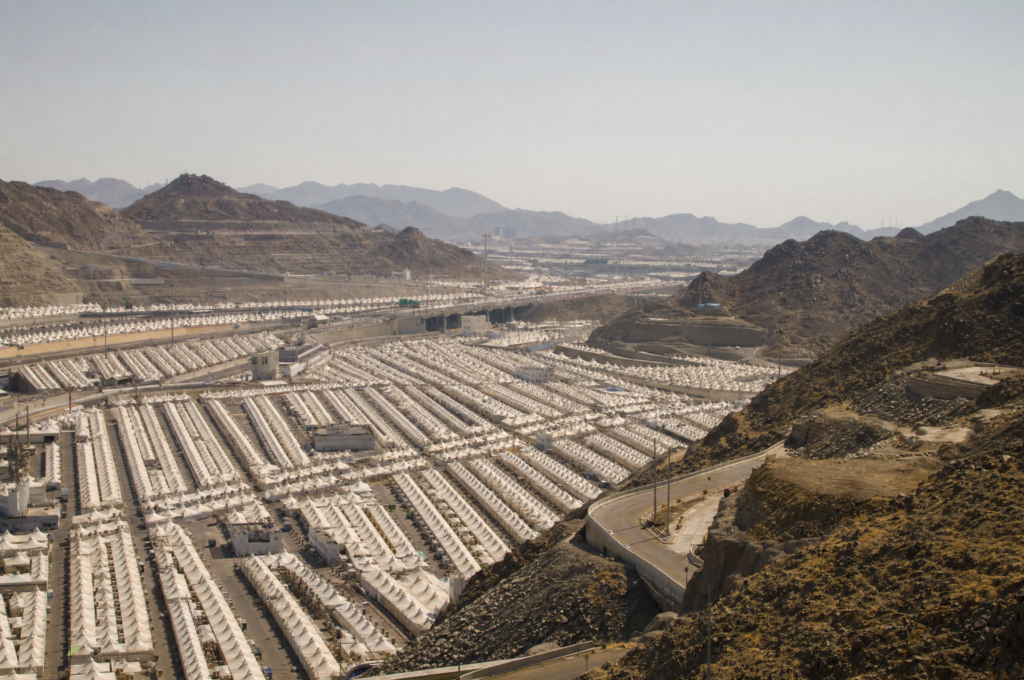
Hajj cannot be reduced to one, two, or three days. Its rites follow a sequence over the Hajj season; the route commonly includes Makkah and the Holy Sites at Mina, Arafat, and Muzdalifah, but timing and movement are governed by official instructions, the package, and the pilgrim’s approved arrangements. The particular Hajj type and details of worship also matter. Learn the rites from the Ministry’s current Awareness Guides and discuss religious questions with a trusted qualified scholar or your Hajj mission. Your group guide can explain how the official schedule applies to your package. A short travel outline is useful only for preparation before the organizer’s full program begins; it cannot replace or compress Hajj itself.
The Ministry publishes separate, season-specific guides for the Grand Mosque, Mina, Arafat, Muzdalifah, and the Jamarat. Use the current guide that matches your journey and language; routes, gathering points, transport, and crowd controls can change by year.
Visa, permit, and identification checks
Before departing, verify the exact visa status, permit, travel dates, and personal details against your official confirmation. Nusuk Hajj’s terms say Hajj must be performed on a Hajj visa and that a tourist or other visa is not sufficient. The same terms describe the Hajj visa as restricted to travel to Jeddah, Makkah, and Madinah; do not build side trips elsewhere into the journey unless the current visa conditions and your provider explicitly allow them. Stay within the authorized entry, movement, and departure plan.
The Nusuk Card is an official identification card for pilgrims and is used to organize access to the Holy Sites and associated services. Its official FAQ says the card is mandatory during Hajj days and is provided through the service provider. Follow your provider’s instructions for receiving and carrying the card, and check names, photograph, and other printed information as soon as it is issued. Keep the card with you as directed and protect it as carefully as your passport and permit. A digital display may be useful, but the official FAQ says it does not replace the physical card.
Download or save official documents before leaving home, and keep a second copy accessible to a trusted companion. Make sure your emergency contact can identify your package operator and group leader. If your passport, visa, permit, card, or medical record has a discrepancy, raise it through the issuing provider before travel. Do not wait until arrival at a security checkpoint or a movement to the Holy Sites to discover that a name or number is wrong.
Health and readiness
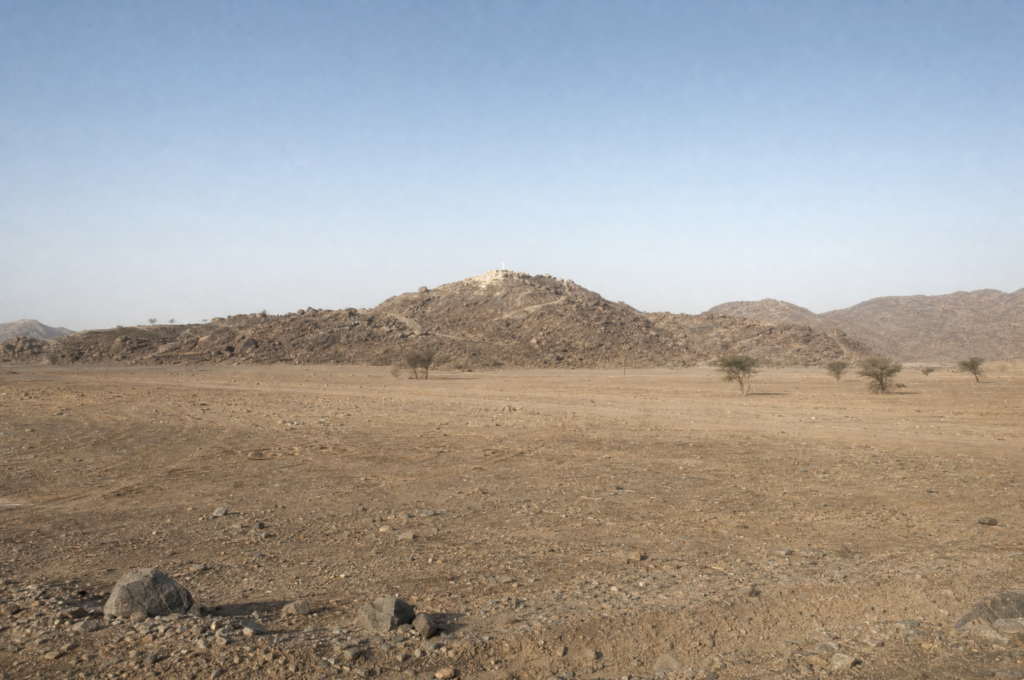
Hajj involves dense crowds, prolonged walking and standing, changing weather, and a tightly organized schedule. Ask your clinician well in advance whether you are medically ready, especially with a chronic condition, pregnancy, mobility concern, recent surgery, or medication requiring special care. Tell the authorized provider about support needs early and ask what assistance and companion arrangements are included.
Saudi Arabia’s Ministry of Health publishes season-specific health requirements for Hajj. Its current page is for 1447/2026; vaccination requirements, entry health measures, and recommendations may change for the next season. Check the version for your year and country, consult your own public-health authority, and carry any required certificates in the specified format. Do not reuse an old Hajj vaccination checklist without checking current validity periods and documentation rules.
Prepare for heat, dehydration, respiratory infection, foot fatigue, and interrupted rest using the official guidance. Carry prescribed medication in original packaging, with an up-to-date list of medicines and relevant medical information; discuss a backup supply with your clinician. Ask your provider what medical assistance is available within the package and how to reach it. Follow the Ministry’s advice for heat protection, hydration, hygiene, rest, food safety, and seeking care. If you become unwell, notify your group leader or medical staff promptly rather than trying to keep pace at any cost.
Arrival and transport are part of the package
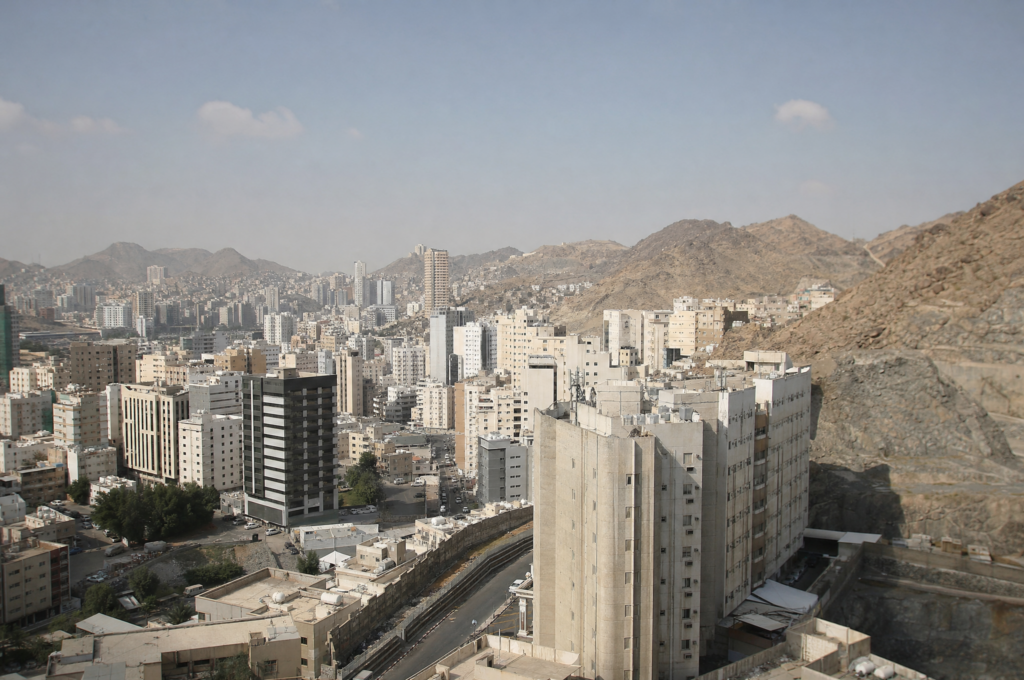
Depending on the authorized plan, international pilgrims may arrive through Jeddah or Madinah. Confirm the exact airport, arrival date, meeting point, baggage allowance, and transfer plan from the official package documents. Nusuk Hajj’s terms limit Hajj-visa travel to Jeddah, Makkah, and Madinah; do not assume that a cheap flight through another city or a separate side journey fits your authorization. If an itinerary includes a connection or overnight stop, have the operator confirm it in writing.
Movement between airports, Makkah, Madinah, Mina, Arafat, and Muzdalifah is managed around the Hajj program. Your package provider should explain which transport is supplied, when you must assemble, what identification to carry, what to do if separated, and which movement instructions take precedence. Do not independently book a ride into the Holy Sites, leave your assigned group, or substitute your own timetable for a scheduled convoy or transfer. For non-ritual travel between Makkah, Jeddah, and Madinah, the Haramain High-Speed Railway is an official passenger option; the Saudi public services portal describes ticket booking through Nusuk. Use it only if your package schedule and current Hajj arrangements permit that separate journey, and do not assume regular capacity or a Hajj transfer slot.
Before departure from home, practice the route from your assigned accommodation to the designated assembly point only when your provider authorizes it. Save the provider’s local phone number and meeting location offline. Ask for translated instructions if you need them, and agree on a simple group reunion plan. During the season, follow law enforcement and Hajj officials, not a rideshare map or advice from an unverified intermediary.
Accommodation and meals
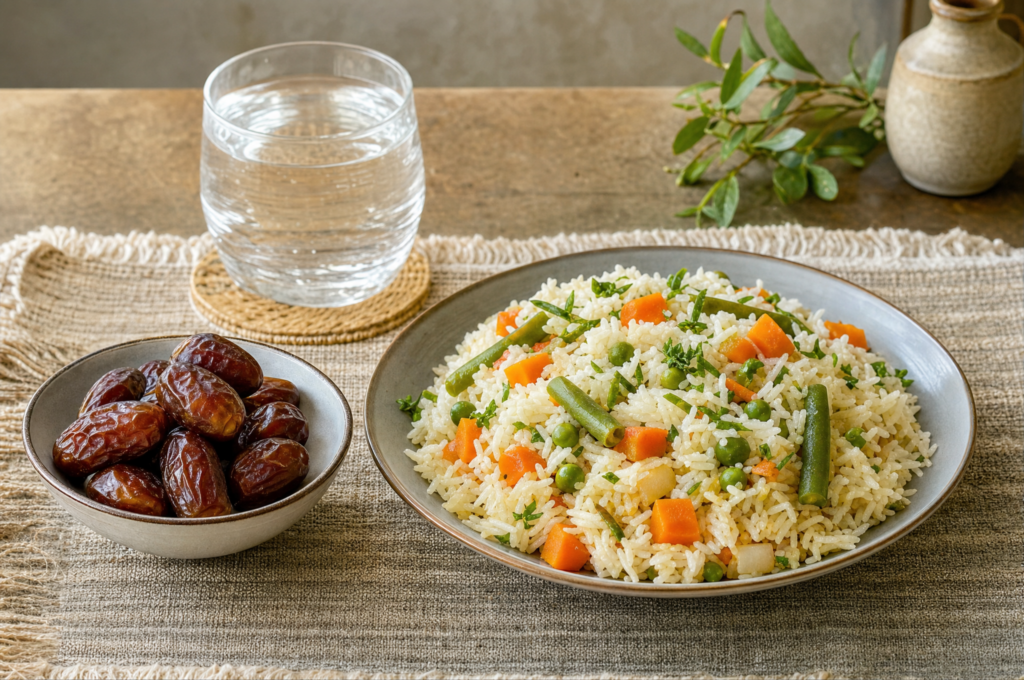
For Hajj, accommodation is a regulated package service tied to the season’s authorized provider and assigned movement plan. Lodging in Makkah and accommodation at Mina or other Holy Sites may have different arrangements, and a package description should tell you what is included. Do not book an ordinary hotel independently on the assumption that it secures entry to Makkah during restricted periods, gives you access to a Hajj site, or replaces required services. A hotel reservation does not create a permit.
Compare authorized packages using the actual written information: lodging name or category where disclosed, room occupancy, meal service, whether Mina accommodation is included, distance descriptions and how they are measured, transfer arrangements, accessibility, staffing, and the response plan for delays. Ask what “near the Haram” or a stated walking distance means in practice during the Hajj season, when roads and routes may be controlled. Confirm all accommodation with the current provider and official package listing, not a marketing image or an old hotel list. At the time of this draft, the live Nusuk service-provider and country pages relate to the completed 1447/2026 season, and the next season’s package hotel assignments were not yet verified; this guide therefore does not name standalone hotels as Hajj lodging recommendations.
Meals are commonly coordinated as a package service across the pilgrimage schedule. Check the contract for included meals, water, service times, dietary requests, allergies, and what to do when a movement interrupts the usual meal window. Tell your provider about a serious allergy or dietary restriction before booking, and get its response in writing. Carry only food and water consistent with current instructions and your medical needs. Do not rely on independent restaurant stops as part of a Holy Sites movement plan; any food purchase must fit the assigned schedule and current access rules.
One-, two-, and three-day preparation outlines
One day before the official program begins: Arrive only according to your package. Check in through the provider, confirm your group leader and emergency contacts, verify your visa and Hajj permit, and make sure your Nusuk Card details match. Ask about the first official assembly point and what you should carry. Keep the day for rest, hydration, and orientation. Do not attempt to start rites or enter a controlled area independently.
Two days before the official program begins: Use the first day for arrival, documentation, and recovery; use the second for the provider’s briefing and the Ministry’s current awareness materials. Ask how the authorized schedule connects Makkah with Mina, Arafat, and Muzdalifah, what movement assistance is arranged, and how to request help. Confirm medicines, meal arrangements, footwear, and communication with your group. Stay within your assigned plan and retain time for sleep.
Three days before the official program begins: Add a buffer for long-distance arrival or recovery if your package allows it. Complete check-in and documentation first, then attend the group briefing and review the official guidance for each Holy Site. Use any remaining time for rest and practical orientation approved by the provider. Avoid optional sightseeing, standalone hotel changes, and unconfirmed transfers that could leave you separated or disrupt the plan. Three days are preparation time only; the full Hajj rites still take their prescribed course and cannot be completed in a compressed short-stay itinerary.
Food, lodging, and travel plans must follow the season
Hajj dates move through the Gregorian calendar because they are set by the Islamic calendar. Weather, access controls, health requirements, service-provider availability, and the way packages are structured therefore need a fresh check each season. Do not book non-refundable flights around an assumed date, an old arrival window, or an unverified schedule. Wait for your national authority or the official platform to publish the registration and booking steps for your year.
Be especially careful with promises of direct access, guaranteed permits, a hotel “inside the Hajj zone,” or a last-minute visa. The official Nusuk FAQ, Saudi Ministry of Hajj and Umrah, and Ministry of Interior are the places to verify claims. If something does not match your official documents, pause and contact the authorized provider before traveling. Keep the provider’s answers and official receipts. Hajj is a coordinated mass pilgrimage; compliance with the assigned plan protects your access and supports the safety of other pilgrims.
Official planning links
- Nusuk Hajj: official international pilgrimage platform
- Nusuk Hajj: country eligibility, registration, packages, and authorized-provider FAQ
- Nusuk Hajj: current serviced-country list, which changes by season
- Nusuk Hajj: season-specific authorized providers
- Nusuk Hajj: global package interest form and booking-status caveat
- Saudi Ministry of Hajj and Umrah: current awareness guides
- Saudi Press Agency: Ministry of Interior statement that visit visas do not authorize Hajj (1447/2026)
- Saudi official tourist eVisa portal: scope and Hajj exclusion
- Saudi eVisa terms: Hajj exclusion and Holy Mosque entry conditions
- Saudi Ministry of Health: season-specific Hajj health requirements
- Nusuk Card: official identification and Holy Sites access FAQ
- Saudi national portal: Haramain train booking service information
- Saudi Arabia Railways: Haramain route and travel planning
- Saudi Press Agency: official-channel and permit reminder for Hajj 1447/2026
Check the official sources
Schedules, admission, fares and service can change. Recheck these for your travel dates.
- hajj.nusuk.sa (checked 2026-09-27)
- hajj.nusuk.sa (checked 2026-09-27)
- hajj.nusuk.sa (checked 2026-09-27)
- hajj.nusuk.sa (checked 2026-09-27)
- haj.gov.sa (checked 2026-09-27)
- spa.gov.sa (checked 2026-09-27)
- visa.visitsaudi.com (checked 2026-09-27)
- visa.visitsaudi.com (checked 2026-09-27)
- moh.gov.sa (checked 2026-09-27)
- nusukcard.haj.gov.sa (checked 2026-09-27)
- my.gov.sa (checked 2026-09-27)
- sar.com.sa (checked 2026-09-27)
- spa.gov.sa (checked 2026-09-27)