
Food
What to Eat in Ho Chi Minh City: Southern Dishes and Where to Start
Explore southern Vietnamese flavors through broken rice, noodle soups, bánh mì and home-style meals, with operator-linked places and neighborhood-based plans.
How long is your visit?
Choose an itinerary, or read the full guide below.
Check the full guide for arrival, ticket, accessibility and booking details.
Eating well in Ho Chi Minh City is less about chasing a list of famous names than about choosing the right kind of meal for the neighborhood and the hour. A fast breakfast of noodles or broken rice, a family-style lunch, a market snack and a booked dinner each ask for different logistics. The city is broad and busy, so choose food stops near the museums, market streets or hotel base already on your day’s route. A short distance on the map can still mean a slow ride or a difficult crossing.
Start with the southern table
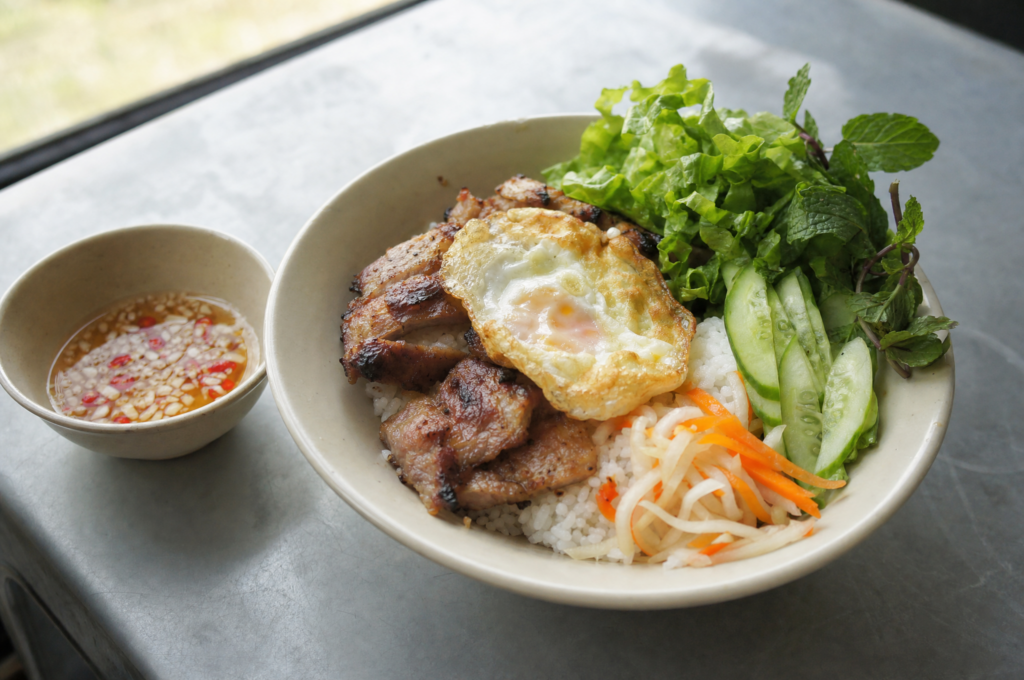
Ho Chi Minh City’s food draws on southern Vietnamese home cooking and on recipes carried here by people from across the country. The national tourism authority highlights cơm tấm, or broken rice, as a familiar local dish and lists a wide range of bánh mì fillings and street snacks. A plate of broken rice may come with grilled pork, egg, pickles, herbs and fish sauce, but each shop builds it differently. Ask what is included and how the sauce is served before ordering.
Hủ tiếu is another useful noodle choice in the south: shops may serve it in soup or as a drier bowl with broth on the side. Phở is easy to find, but it is one dish among many rather than the only meal to seek. Try a bánh mì when a portable breakfast or light lunch suits the plan; fillings vary, and pâté, pork, mayonnaise, egg or fish can appear. Bánh xèo, a crisp turmeric-colored rice-flour pancake, is usually shared with herbs and dipping sauce. It is a sit-down meal with hands-on wrapping, not the quickest stop between timed attractions.
For a longer southern-style meal, look for clay-pot fish, caramelized pork and eggs, sour soups, rice, fresh herbs and vegetables. Bếp Nhà Lục Tỉnh’s current operator menu, for example, lists braised fish, braised pork and duck eggs in coconut juice, sour fish soup, savory rice cakes and vegetable dishes. These are kitchen-specific examples rather than a promise that every home-style restaurant serves them. The menu also shows why a meal may involve fish sauce, shrimp, pork, shellfish, eggs and fermented ingredients even when the dish name sounds simple.
District 1 for everyday meals
For a casual meal, choose a street-facing shop or a small restaurant near the part of the city you are already exploring. The official Bếp Mẹ Ỉn menu separates street-food small bites from family-style main dishes and dessert. Its current Ho Chi Minh City contact page lists two branches: 136/9 Lê Thánh Tôn in Bến Thành Ward and 165/50 Nguyễn Thái Bình in Nguyễn Thái Bình Ward, both in the older District 1 area. Check the branch and menu directly before setting out; the two addresses are not interchangeable, and map labels may still show older ward names.
For a more deliberate Southern Vietnamese meal, Bếp Nhà Lục Tỉnh publishes its address at 37 Nam Kỳ Khởi Nghĩa in Nguyễn Thái Bình Ward and an extensive menu of dishes from the Mekong Delta and southern home cooking. A group can share vegetable dishes, rice, braised fish or one of the savory rice-cake selections. Several menu items contain fish, shrimp, pork, egg, fermented fish or fish sauce. Read the operator’s current menu and contact the restaurant directly about ingredients, allergies, group size and reservations.
Keep an everyday lunch flexible. If you see a busy local noodle shop or rice counter close to a planned stop, check whether it has a menu you can understand, seating your group can use and a clear way to order. A queue can be a clue that a place is active, not evidence of food safety, quality or a guaranteed wait. Carry small cash as a backup, keep your phone secure at the curb, and do not block the shop entrance while deciding.
District 1: a market meal and a special dinner
District 1 offers the easiest cluster for a short first visit: central market streets, the Chợ Cũ area and many hotel dining choices. Anan Saigon sits at 89 Tôn Thất Đạm inside the old-market neighborhood. Its operator describes a modern interpretation of Vietnamese dishes and maintains a current menu and booking page. This is a more formal, booked meal rather than a stand-in for a street stall. The restaurant currently states dinner service Tuesday through Sunday, advance reservations for its tasting menus and limits related to its walk-up building; check its current booking and accessibility notes before committing.
For the market-area visit, treat stalls and small shops as separate choices instead of planning a rigid food crawl. Pick one snack, one drink or dessert and one main meal; share dishes if the group wants variety. Street vendors may have limited seating, cash-only service or changing hours. If mobility, shade, a restroom or a particular allergy is essential, choose a restaurant with a direct contact channel and confirm the details first.
Chợ Lớn and other separate food outings
Chợ Lớn, the city’s Chinatown area, is a rewarding contrast for Chinese-Vietnamese food traditions, temples and markets, but it deserves its own outing rather than being squeezed between several central restaurant reservations. Decide whether the day is about a market and neighborhood walk or a specific booked meal. Check the market or temple’s current access information, then choose a nearby place for noodles, rice, roast meats or a shared meal. Streets can be crowded and sidewalks uneven; keep a meeting point in mind if your party separates.
District 3 can be a separate museum-and-cafe area, but choose a specific current venue there before making it the meal anchor. The restaurant examples in this guide are in the former District 1 area; they are not District 3 recommendations. Thao Dien and the riverfront are a different excursion across the city. Compare road conditions and rain with a meal near your base rather than adding a cross-town restaurant only because it appears popular online.
One, two or three days of meals
One day: Keep breakfast and lunch around central District 1. Try a bowl of hủ tiếu or a bánh mì near your hotel, then leave time for the Chợ Cũ or Bến Thành area. Choose either a simple early meal or an Anan reservation for dinner, not both as fixed events. Confirm Anan’s age, access and booking notes if traveling with children or someone who needs step-free access.
Two days: Use the first day for central market-area snacks and one planned dinner. On the second, choose between a central District 1 meal at Bep Nha Luc Tinh or a Bep Me In branch and a museum-area plan; match the meal to the day rather than assuming these restaurants are nearby. If visiting Cho Lon, devote most of a separate half-day to that area and eat nearby rather than returning to the center between meals.
Three days: Add a third food cluster rather than repeating long rides: one central food day, one museum-area or Cho Lon day with a meal chosen near that route, and one day based near your hotel or the eastern river corridor. Make breakfast the flexible meal and reserve only the dinner that truly needs advance planning. Keep a rain-friendly alternative close to the day’s main stop; heavy showers, heat and traffic can make an ambitious multi-district itinerary unpleasant.
Diet, access and ordering
For vegetarian, vegan, halal, gluten-free or allergy needs, ask about exact ingredients and preparation before ordering. Vietnamese sauces and broths can include fish sauce, shrimp paste, dried shrimp, oyster sauce, meat stock, wheat, soy, peanuts or shared cooking surfaces. The word “vegetarian” on a translated page may not answer whether fish sauce or animal broth is used. Carry a translated ingredient card if useful, then let the restaurant confirm whether it can safely accommodate the request. Do not assume that a dish can be made allergen-free.
With children, a stroller or mobility needs, check the exact restaurant entrance, steps, toilet and table arrangement directly. Many places occupy narrow shopfronts or upper floors; a booking form does not establish a ramp or lift. Let the venue know about the group in advance, and choose an easier meal near the hotel if the day has already involved a lot of walking.
Useful operator links
Review the current Bếp Nhà Lục Tỉnh menu and its address and reservation page; Bếp Mẹ Ỉn publishes its menu and branch addresses and contact details. For a special modern Vietnamese dinner, read Anan Saigon’s menu and current booking/access notes. The national tourism authority’s Ho Chi Minh City dish guide and Eating like a local in Ho Chi Minh City offer broader regional context. Menus, ingredients, hours, prices and branch operations change; confirm details with the operator for your date.
Check the official sources
Schedules, admission, fares and service can change. Recheck these for your travel dates.
- vietnam.travel (checked 2026-09-28)
- bepnhaluctinh.com (checked 2026-09-28)
- bepnhaluctinh.com (checked 2026-09-28)
- bep.mein.vn (checked 2026-09-28)
- bep.mein.vn (checked 2026-09-28)
- anansaigon.com (checked 2026-09-28)
- anansaigon.com (checked 2026-09-28)
- vietnam.travel (checked 2026-09-28)