
Food
What to Eat in Hokkaido: Sapporo, Otaru and Beyond
Plan Hokkaido meals by region: soup curry, ramen and grilled lamb in Sapporo; seasonal sushi in Otaru; and distinct food stops in faraway Hakodate or Niseko.
How long is your visit?
Choose an itinerary, or read the full guide below.
Check the full guide for arrival, ticket, accessibility and booking details.
Hokkaido is a large island, not one dining district. For a short first visit, concentrate on Sapporo and Otaru, which make a workable central-Hokkaido pairing by rail. Hakodate belongs to a separate southern-Hokkaido trip, while Niseko is a mountain-resort area with its own seasonal transport and lodging rhythm. The official tourism authority separates these places into different regions and recommends routes by area. Let your arrival airport, season and overnight base decide what you eat; do not build a three-day plan around crossing the entire island.
Start with Sapporo’s city specialties
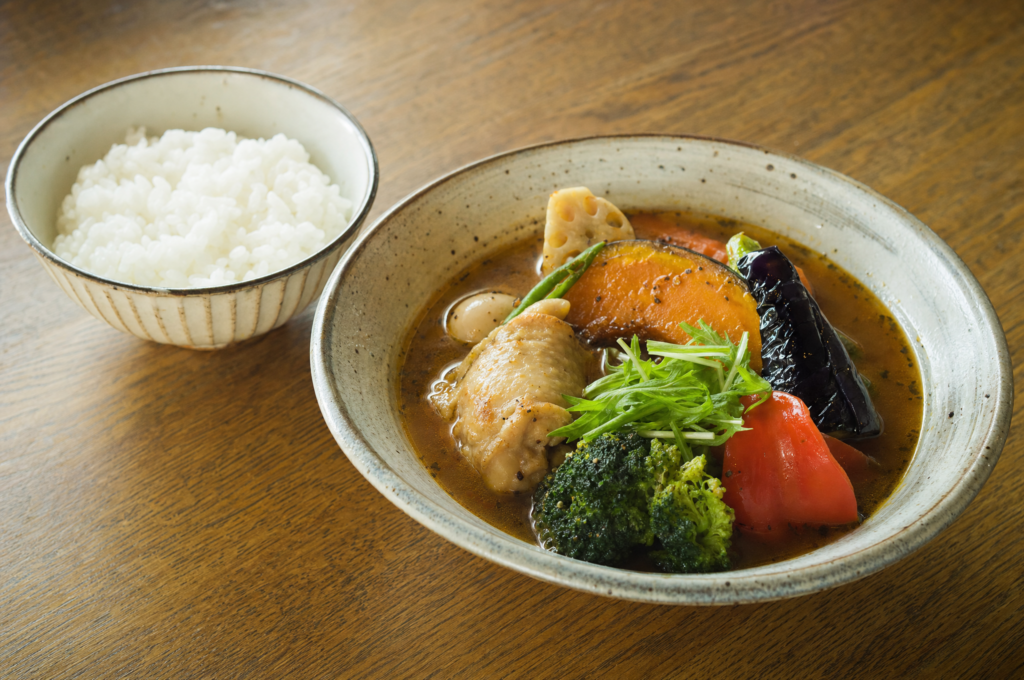
Soup curry is a Sapporo specialty: a spiced, relatively light broth served with rice and often substantial vegetables, meat or seafood. The Sapporo tourism guide emphasizes that the broths and toppings vary by restaurant, so choosing a style is part of the experience. It is an easy first meal for a visitor who wants a local dish without committing to a long course. Ask directly about broth, stock, spice and allergens; vegetables do not guarantee a vegetarian or vegan bowl.
Sapporo miso ramen is another city-specific choice. The city tourism guide describes its classic style as miso broth with medium-thick, wavy noodles, while noting that modern shops also serve other broths and toppings. Ramen is useful for a flexible meal between city stops, but a bowl’s ingredients can include meat, fish, egg, wheat and soy. Check the shop’s current menu and communicate dietary needs rather than relying on a broad dish label.
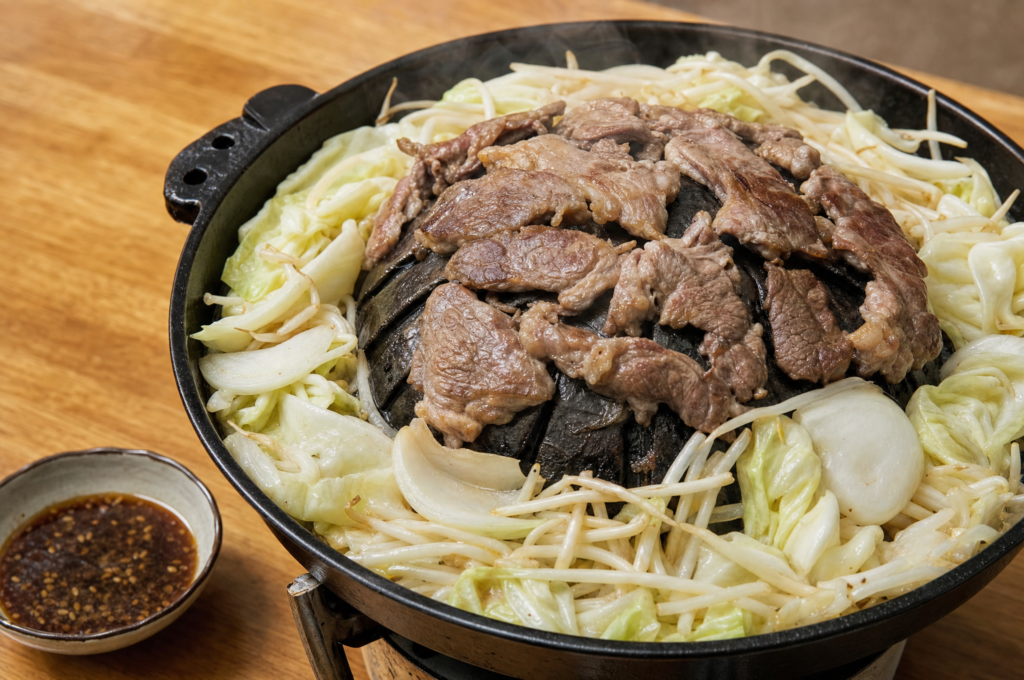
Jingisukan (often written Genghis Khan) is lamb or mutton grilled with vegetables on a distinctive domed metal pan. Sapporo’s official guide notes that restaurants differ in whether meat is marinated before cooking or seasoned afterward. This is a social meal that can take longer than a quick noodle stop and may leave a strong cooking aroma on clothing. Ask about the restaurant’s preparation and ventilation if those details matter to your group.
Hokkaido’s broader food identity includes dairy, seasonal vegetables and seafood, but no single menu represents the island. Treat salmon, scallops, crab and sea urchin as seasonal possibilities, not guaranteed daily offerings.
Two named Sapporo choices, with current operator links
Rojiura Curry SAMURAI. Sapporo Station Apia is a practical soup-curry option when your day begins or ends near JR Sapporo Station. The operator places this branch in the Apia West underground shopping area beneath the station’s south plaza. That makes it a useful candidate for a rail-arrival meal or a weather-conscious stop, though the station complex itself takes time to navigate. Its official branch page is in Japanese; use the current operator information for location and service details. The branch does not accept seat reservations according to its page, so avoid planning a tight connection around a meal there.
For miso ramen, compare shops using Sapporo’s regional guide and restaurant directory rather than crossing town for a famous name. The city highlights Aji no Sanpei in central Sapporo’s Daimaru Fujii Central building. Check the current outlet information and menu before setting out; ask about broth and noodle ingredients if you have dietary needs.
For Jingisukan, use the city’s guide to the dish and its restaurant styles to compare marinated and unseasoned lamb. Choose a shop near your evening district, then confirm its own menu, hours and cooking setup. Sapporo’s restaurant directory filters options by area and cuisine.
Otaru: make room for seasonal seafood
Otaru’s port-city food identity centers on seafood, and the official Hokkaido tourism site describes Otaru Sushi Street as a cluster of independent sushi restaurants in the Hanazono area. It is not a single market or shared menu: each restaurant sets its own service, selection and schedule. JR Otaru Station is the practical arrival point for a walk into town; the tourism site gives an approximate 15-minute walk to the street, but weather, snow, luggage and your exact restaurant address can change the effort. Check the route and current shop directions before you go.
Otaru Masazushi Honten publishes an English operator page with its current menu, address on Sushi-bar Street, access information and a booking link. The operator says its dishes include seasonal fish nigiri and that selection varies with seasonal ingredients. That makes it a useful booked meal if you want an organized sit-down sushi stop, not proof that a particular fish will be available on your date. Compare the current menu with your budget and dietary needs, then use its direct reservation channel. The venue’s published information can change around holidays and events, so reconfirm close to travel.
If you prefer a less formal browse, Otaru’s official tourism listing describes the station-adjacent Sankaku Market as a seafood and produce market. Market stalls and individual food counters have their own hours and offerings. Avoid assuming every counter serves the same breakfast or that a market visit is a substitute for a reserved restaurant meal. Keep it as a flexible stop, especially in winter when outdoor walking and opening patterns deserve a fresh check.
Food in distant Hokkaido stops
Hakodate is a separate southern gateway, not a casual add-on to a Sapporo weekend. The city’s official visitor guide places the morning market near JR Hakodate Station and discusses seafood and local ramen. If your trip begins or ends there, a seafood bowl can fit a morning near the station; check the individual vendor’s menu and service hours. Hakodate’s shio ramen is another local style, but compare current shop information rather than treating a citywide specialty as a single fixed recipe.
Niseko’s resort restaurants and shops are tied to seasons and visitor flows. The resort operator lists different summer and winter transport arrangements and notes that services and gondola operation can change. Check the restaurants at your chosen lodging or resort village directly and plan meals around the service actually offered during your dates. If self-catering is important, verify grocery access and opening schedules before choosing a remote property; do not assume a village has city-style late-night dining.
One day: Sapporo specialties in one city
Keep a one-day food itinerary within Sapporo. Start with breakfast near your lodging or the station, choose soup curry for lunch if its current location fits your sightseeing, and leave dinner for ramen or Jingisukan in the district where you already plan to spend the evening. These meals showcase different formats: a vegetable-forward spiced soup, a noodle bowl and a shared grill. You need not eat all three in one day; choose according to appetite and timing. A market or dessert stop can replace a full meal if the day is already busy.
Two days: add Otaru without rushing dinner
Use Sapporo as your base for one day, then make a separate Otaru day trip by JR after checking the current timetable. The official tourism site gives an approximate 33–46-minute rail trip between Sapporo and Otaru, but the actual departure, service pattern and disruptions are date-specific. In Otaru, walk the canal and central streets, then choose one seafood meal: a reservation at Masazushi Honten or a flexible market stop. Return to Sapporo only after checking the last practical train for your plans; do not rely on a generic map estimate.
Three days: choose a third local day, not the whole island
With a third day, deepen the central cluster: revisit Sapporo or add another Otaru meal. Hakodate needs a separate overnight and intercity plan; Niseko needs a resort stay and seasonal transfer. Neither is a filler day between Sapporo breakfast and dinner. Hokkaido’s sample routes are organized by region and often span several nights.
Reservations, dietary needs and seasonal checks
For a named restaurant, follow the operator’s current menu and reservation link. For a flexible meal, choose a backup nearby in case a shop is full or closed. Confirm ingredients directly if you have allergies, avoid meat or fish, or need to know whether a grill is shared. Seafood availability is seasonal; restaurant menus, hours and service can change for holidays, weather or local events. Recheck official venue and transit pages for your actual travel date, and leave time for station navigation, street conditions and the walk from the stop.
Official food and planning links
- Sapporo tourism: soup curry styles and city options
- Sapporo tourism: ramen and Aji no Sanpei
- Sapporo tourism: Jingisukan traditions
- Sapporo tourism: restaurant directory by cuisine and area
- Rojiura Curry SAMURAI.: Apia branch operator details
- Hokkaido tourism: Otaru Sushi Street
- Otaru Masazushi Honten: menu, access and booking
- Hokkaido tourism: Otaru Sankaku Market
- Hakodate official visitor guide: food and drink
- Hokkaido tourism: intercity transport overview
- Hokkaido tourism: sample itineraries by region
- Niseko Village: current seasonal access and shuttle information
Check the official sources
Schedules, admission, fares and service can change. Recheck these for your travel dates.
- sapporo.travel (checked 2026-09-28)
- sapporo.travel (checked 2026-09-28)
- sapporo.travel (checked 2026-09-28)
- sapporo.travel (checked 2026-09-28)
- samurai-curry.com (checked 2026-09-28)
- visit-hokkaido.jp (checked 2026-09-28)
- en.masazushi.co.jp (checked 2026-09-28)
- visit-hokkaido.jp (checked 2026-09-28)
- hakodate.travel (checked 2026-09-28)
- visit-hokkaido.jp (checked 2026-09-28)
- visit-hokkaido.jp (checked 2026-09-28)
- niseko-village.com (checked 2026-09-28)