
Pilgrimage
Holy Sepulchre Pilgrimage Guide: Worship, Arrival and Where to Stay
Plan a considered visit to Jerusalem’s Church of the Holy Sepulchre, with sacred-site orientation, worship contacts, lodging bases, meal stops and flexible one-, two- and three-day plans.
How long is your visit?
Choose an itinerary, or read the full guide below.
Check the full guide for arrival, ticket, accessibility and booking details.
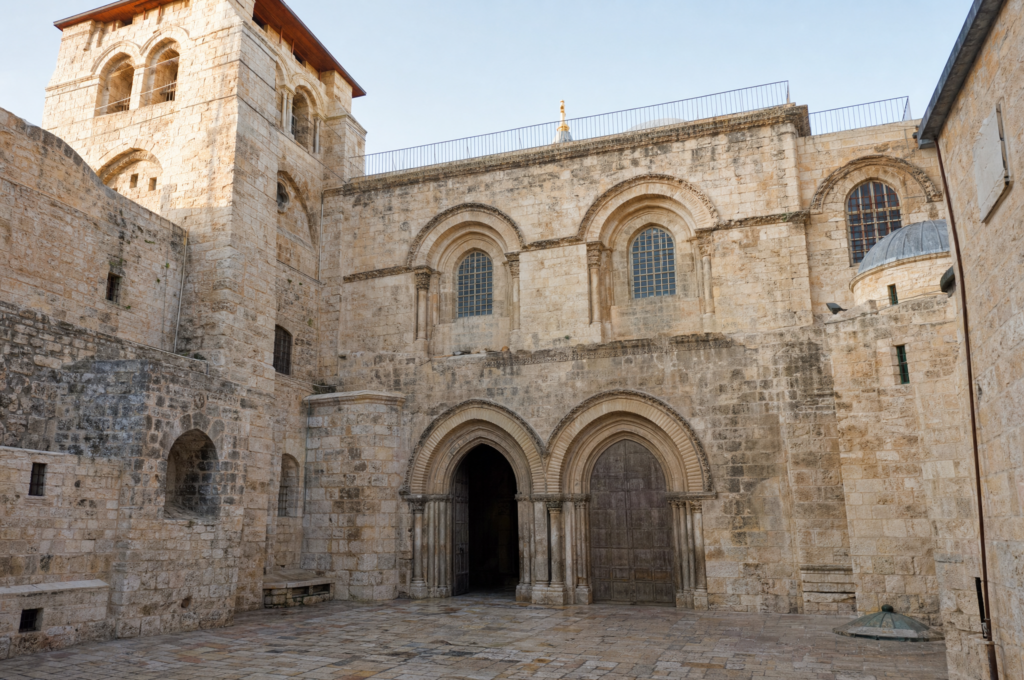
The Church of the Holy Sepulchre in Jerusalem’s Old City brings together places associated in Christian tradition with the crucifixion, burial and resurrection of Jesus. It is a living place of worship shared by Christian communities. A satisfying pilgrimage gives time to prayer and understanding, rather than treating the building as a sequence of quick photographs. This guide helps you choose a base and organize the practical decisions around that purpose.
Check access before booking Jerusalem
Start with the current U.S. travel advisory and the notices issued by your own government. The advisory describes a security environment that can change quickly and possible flight disruptions. Its regional restrictions are not an assurance that any Jerusalem route is open or safe. Treat the plans below as conditional research for a trip you have independently decided is appropriate, not a recommendation to ignore official guidance.
Before committing money, confirm that your airline is operating, your accommodation is accepting guests and your intended holy site admits visitors on the dates you propose. Ask the property how to receive local notices and follow instructions from security and emergency authorities. Have flexible cancellation terms and a workable onward plan. A guide, hotel reservation or advance tour booking cannot guarantee entry during a closure. If conditions change, postpone the site visit rather than improvising around restrictions.
Understand the church before joining a queue
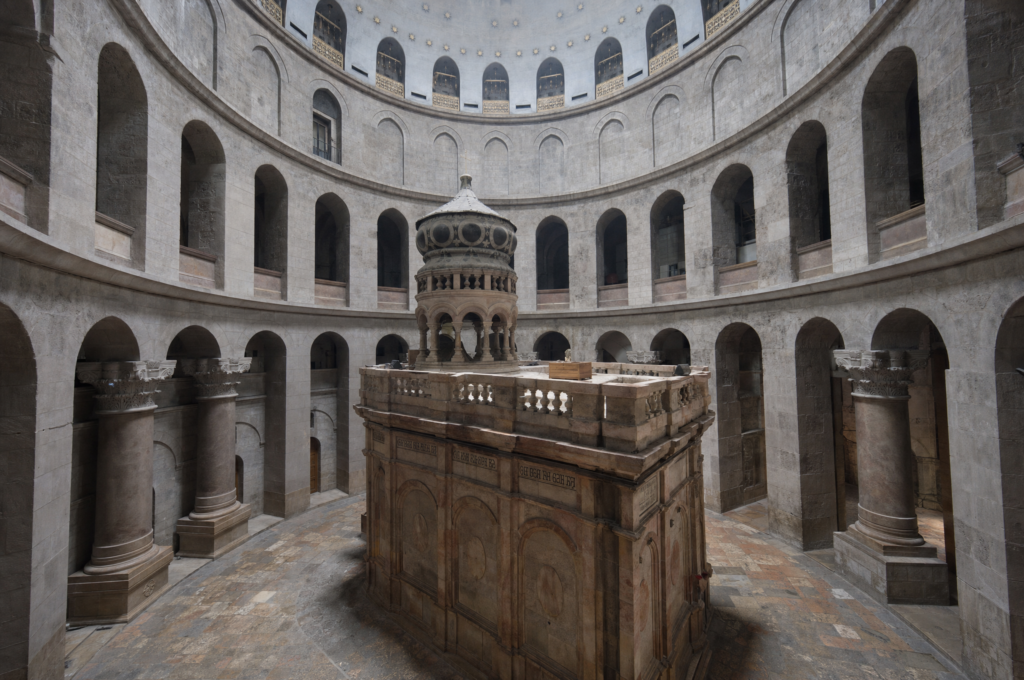
The Jerusalem Patriarchate’s site overview separates the courtyard, entrance, Golgotha, Edicule, church and chapels. Use that orientation to decide what matters most to your visit. The Edicule is the small shrine associated with the tomb; Calvary or Golgotha is a different part of the church. They should not be confused simply because both can involve waiting. A pause near the entrance lets your group agree on a meeting point before anyone moves toward a worship area.
Look at the building as a collection of sacred spaces with their own patterns of use. Do not assume you may enter every chapel or interrupt a liturgy to follow a sightseeing list. Give clergy and worshippers room, remain quiet near services and follow local instructions about queues or restricted areas. If your party divides, choose a clear meeting place and agree on how long to wait. Phone reception, a busy entrance or a crowd can make a last-minute regrouping harder than expected.
A guide can help explain the different Christian traditions and distinguish historical evidence from devotional association. Ask the Custody’s pilgrimage contacts about appropriate guiding support. Avoid guides who promise access that the custodians have not authorized. No paid package makes an active ceremony a private attraction.
Mass, services and prayer
For Catholic worship, Find Mass times and search for the Church of the Holy Sepulchre, Jerusalem. Select the matching church in the search results and pair the result with the Custody’s official visiting and celebration information; an old downloaded timetable is not proof of the next service. Confirm the date, language and location within the church, and distinguish the hours of public visiting from Mass or another liturgy.
The Custody FAQ directs groups seeking a Mass booking to the Christian Information Center. It also says that night-prayer permission depends on availability and contact with the Franciscans during sacristy hours. Treat both as requests that require a response, not experiences automatically included in an ordinary visit. If you are Orthodox or from another Christian tradition, consult your own church’s current worship information and the site’s custodians; a Catholic Mass schedule does not describe every community’s liturgy.
Arrive with a practical last-mile plan
For an international arrival through Ben Gurion Airport, the airport authority’s transport directory is the starting point for current rail, bus and taxi choices. Compare the complete journey to your lodging rather than the first leg alone: departure point, final transfer, luggage and time of arrival all matter. Check the operating carrier and transport operator for your date, including religious holidays. Do not use a weekday timetable as proof of a Friday-evening or Saturday service.
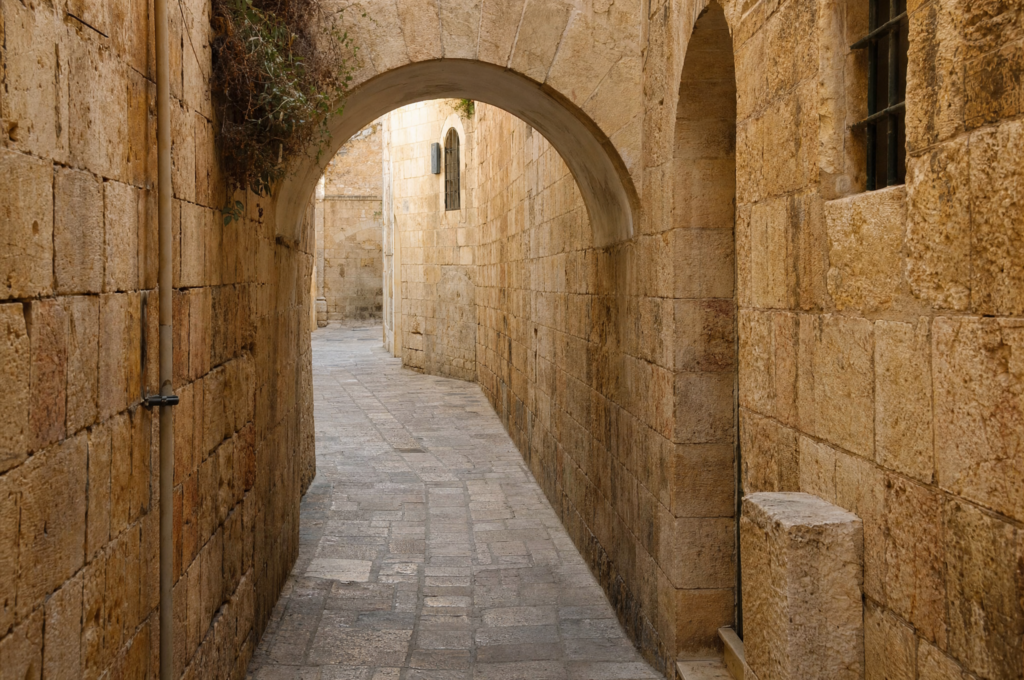
Ask your host for the nearest currently usable vehicle drop-off and the final approach with luggage. Inside the Old City, a nearby map marker may still involve steps, stone paving and crowded narrow lanes. A car booking does not mean the vehicle can reach the guesthouse door. Save your accommodation’s exact address, telephone number and written arrival instructions offline. Arrange assistance before arrival if stairs, a long walk or carrying luggage would be a problem; do not infer step-free access from distance.
Choose your lodging around your purpose
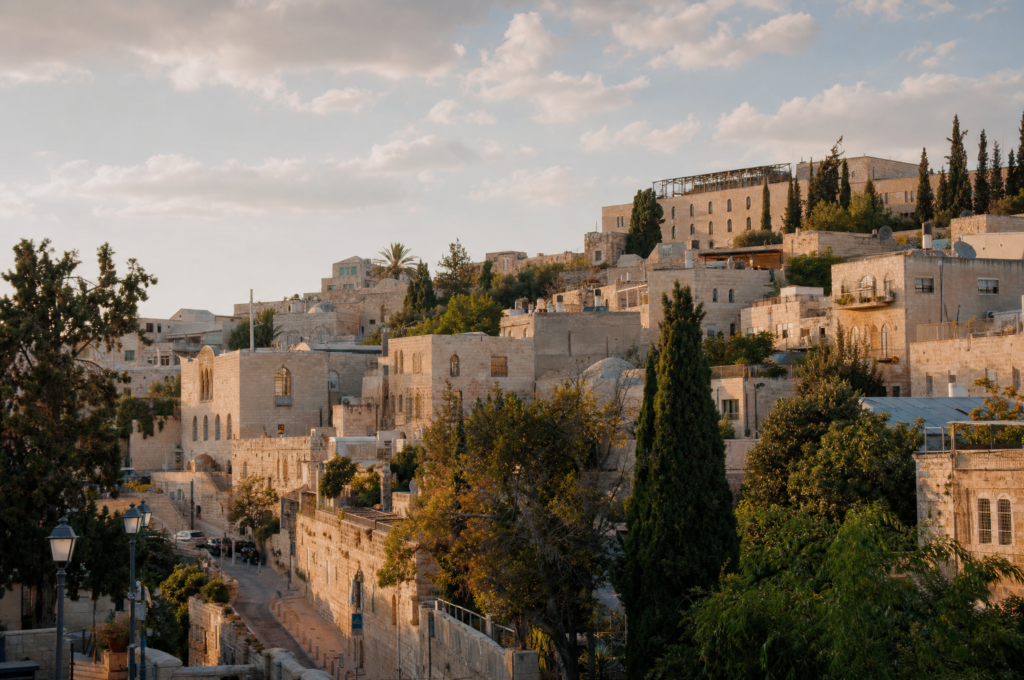
An Old City pilgrim guesthouse can make a repeated church visit feel less rushed, but compare the practical arrival with your party’s needs. Stairs, luggage delivery, room layout and evening return arrangements deserve direct questions. The Custody’s Casa Nova accommodation network includes Jerusalem; contact the appropriate house to confirm that it can host your dates and group. The Austrian Pilgrim Hospice is another official Old City option. Its arrival information is more useful for the last stretch than a booking map alone.
A base outside the Old City may offer an easier vehicle arrival or a different range of rooms. The Dan Hotels Jerusalem collection lets you compare properties such as King David, Dan Panorama and Dan Boutique by their official location and facilities. Choose after checking your daily approach, not simply a hotel category. Ask about the particular room, lift access and current transfer arrangements you need. Choose between these examples using the current property details and your own arrival needs.
If the principal aim is a service at a particular time, work backward from that service. First confirm worship, then confirm the approach from the property, then book a room with suitable arrival and cancellation terms. If the aim is a slower visit with family, prioritize a restful base and an uncomplicated return. A bargain farther away may lose its value when it requires extra transfers before and after every visit.
Meals and useful pauses between visits
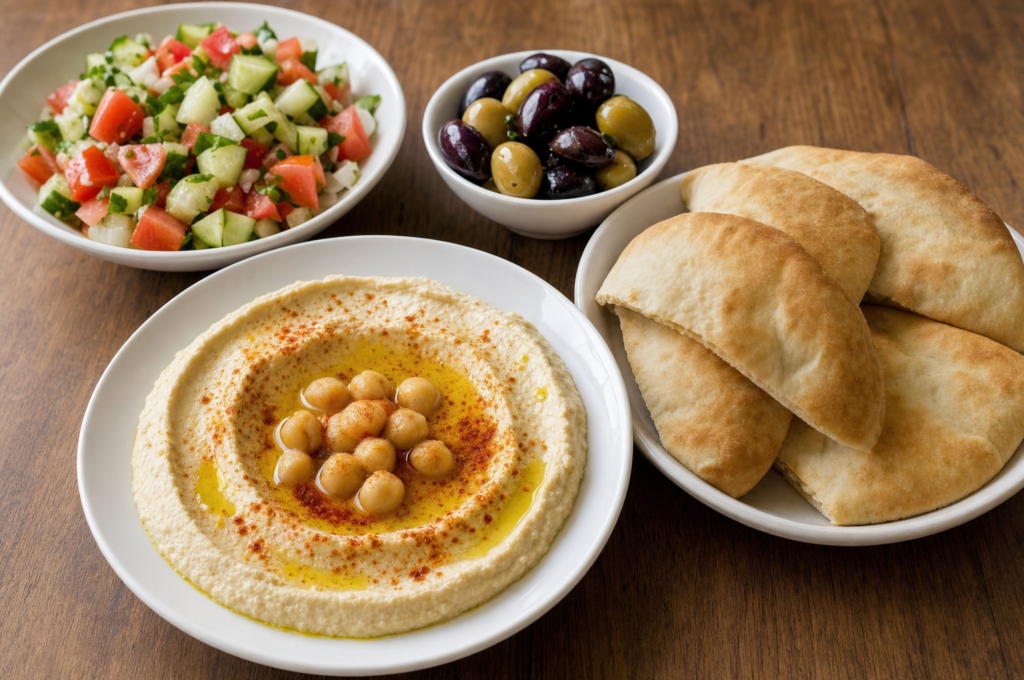
Plan a meal outside the worship space, especially when your visit includes a queue or a service. Jerusalem food planning can include bread, hummus, falafel and other regional dishes, but ask the actual venue about today’s ingredients, menu and preparation. Regional familiarity is not evidence of a particular restaurant’s menu or religious dietary certification. Choose a sit-down break if someone in your party needs rest, and confirm the venue is operating before taking a detour.
Café Triest at the Austrian Hospice is a specific Old City option with its own published dining information; the operator describes Austrian coffee-house food as well as local specialties and welcomes non-resident visitors. Confirm its current service and access directly. The King David hotel’s restaurants provide another official place to compare a planned meal outside the Old City. A hotel dining page establishes a booking contact, not a recommendation based on a personal meal or a promise of current availability. Check reservations, dietary needs and the total price before deciding.
Keep water and rest separate from the timing of worship. A long anticipated queue is a reason to eat beforehand rather than rush out during a service. If you need a kosher meal, a specific allergen protocol or another dietary arrangement, obtain confirmation from the venue itself. Do not rely on a generic label in an old travel review.
One day: keep the church at the center
Use a one-day plan only after access is confirmed and your arrival arrangements are realistic. Begin with the church orientation, then the sacred space or service that is central to your pilgrimage. Leave a substantial unallocated window for waiting and a quiet pause; queue time varies. Have your meal outside the worship space and use the later part of the day for a second, shorter church visit only if conditions and your energy allow.
Do not combine a late international arrival, every Old City quarter and an onward departure into the same rigid day. For a day trip, establish the return departure and cut the optional activity first if the church visit takes longer. Keep the purpose of the journey more important than the number of stops.
Two days: arrival, orientation and a deliberate return
On the first day, reach your base, settle your luggage and confirm the next day’s worship or visiting arrangements. If access permits, make a short orientation visit to understand the courtyard and different sacred spaces without insisting on every queue. Have a relaxed meal and prepare clothes and any prayer materials permitted by current rules.
Use the second day for the confirmed service or principal church visit. Return to a space you had time to understand rather than racing to another landmark. A qualified guide can be useful for context on this day, but leave room for personal prayer afterward. Arrange the departure separately from the sacred-site sequence so that a change in access does not strand your group.
Three days: add depth, not a compulsory checklist
Keep the first day for arrival and orientation, the second for the principal pilgrimage visit and the third for a slower return or a separately confirmed nearby visit. If you want a Via Dolorosa walk, discuss its current access and your group’s needs with a qualified local guide; this guide does not establish an exact walkable route or a guaranteed ceremony. Add time for reflection, meals and rest rather than filling every available hour.
With an older traveler, a child or a person with mobility needs, a three-day stay can create a useful recovery margin. It still does not remove barriers inside the Old City or the church. Ask about specific entrances and sections directly, and change the plan when an approach is unsuitable. In every version, official access notices take precedence over the sample sequence.
Map orientation and final checks
Open an address search for the church to orient yourself, then confirm the usable approach locally. This search is not an exact entrance pin or a verified accessible route. Save your host’s instructions separately.
Before leaving, reconfirm the church’s official visitor information, your worship arrangements, transport operation and property booking. Menus, hours, prices, access and services may change. Use the linked operators for the travel date; an image or an itinerary is not evidence of current conditions. Return to Pilgrimages to explore other sacred journeys.
Check the official sources
Schedules, admission, fares and service can change. Recheck these for your travel dates.
- travel.state.gov (checked 2026-09-27)
- iaa.gov.il (checked 2026-09-27)
- custodia.org (checked 2026-09-27)
- custodia.org (checked 2026-09-27)
- en.jerusalem-patriarchate.info (checked 2026-09-27)
- custodia.org (checked 2026-09-27)
- austrianhospice.com (checked 2026-09-27)
- austrianhospice.com (checked 2026-09-27)
- austrianhospice.com (checked 2026-09-27)
- danhotels.com (checked 2026-09-27)
- danhotels.com (checked 2026-09-27)
- masstimes.org (checked 2026-09-27)