
Food
Hong Kong Food Guide: Dim Sum, Noodles and Local Cafes
Plan Hong Kong meals by neighborhood, with official menus and location links for dim sum, wonton noodles, roast goose, street snacks and tea cafes.
How long is your visit?
Choose an itinerary, or read the full guide below.
Check the full guide for arrival, ticket, accessibility and booking details.
Eat by neighborhood, not by checklist
Hong Kong rewards an appetite for variety more than a hunt for one definitive meal. Cantonese cooking, tea-cafe comfort food, roast meats, noodles and quick street snacks are easy to encounter, but menus and practices vary by shop. Start with a neighborhood already on your day’s route, then choose a meal that fits your time, group and dietary needs. The Hong Kong Tourism Board’s food and drink guide and its guides to street food and cha chaan tengs are useful orientation; each venue’s own page should settle current location and menu details.
For a first visit, plan one sit-down meal and leave room for something small. Dim sum suits a leisurely shared breakfast or lunch; roast meat and wonton noodles work as more focused meals; a tea cafe offers an everyday Hong Kong style of eating. If you have a short stop between sights, do not build the day around an unverified queue or a particular dish being available.
Dim sum and the Central–Kowloon connection
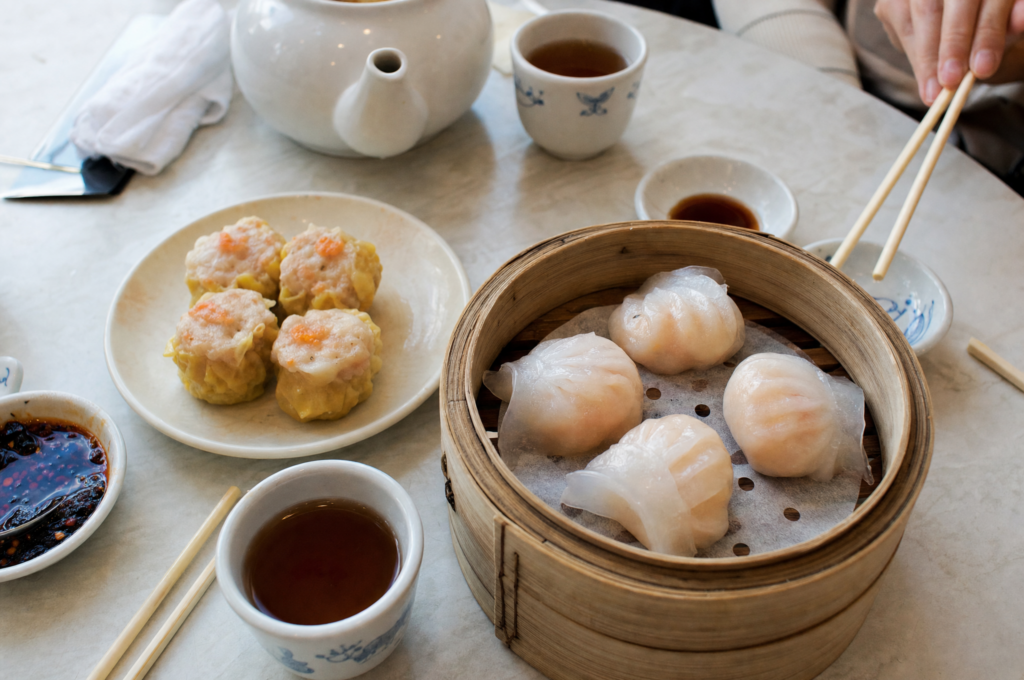
Dim sum is a meal of small plates, often paired with tea and shared at the table. Har gow (shrimp dumplings), siu mai, steamed buns and rice rolls are familiar starting points, but the names, fillings and preparation differ among restaurants. Tim Ho Wan is a clearly documented option: the operator’s current menu and Hong Kong store list let you check dishes and branch locations before choosing a route. The Hong Kong Tourism Board also maintains a dim sum restaurant guide. Use those pages for orientation rather than assuming all branches offer identical menus or service.
One listed branch is at Hong Kong Station, making it convenient when you are already near Central or transferring to the Airport Express. Another sits in Tsim Sha Tsui’s K11 area, useful on the Kowloon side. Check the official branch list on the day: operators can move or change outlets, and the location you remember from a previous trip may not be the one that best fits your current route. For groups, check the restaurant’s booking or queue arrangements directly; do not assume a reservation is available.
Central and Sheung Wan pair naturally with a meal and a walk through Old Town Central. The Tourism Board’s district guide provides a useful map of that compact, hilly area. Tsim Sha Tsui works well with waterfront time or the Star Ferry. The Star Ferry service page lists the Central–Tsim Sha Tsui and Wan Chai–Tsim Sha Tsui crossings; check service notices before relying on a sailing to make a booking.
Noodles, wontons and roast meats
Mak’s Noodle is a Central noodle-shop choice with a current operator location page. Its branch information identifies the Wellington Street address and other outlets; check that page for the branch closest to your plans. Hong Kong-style wonton noodles are a compact meal, but do not infer ingredients from the dish name: recipes and broth components vary, so ask the shop directly about pork, seafood, eggs, allergens or dietary restrictions.
For roast goose and other roast meats, Kam’s Roast Goose publishes its restaurant site and a contact/location page for its Wan Chai address. The Tourism Board’s restaurant listing describes the roast-meat focus. This is a useful example when you want a classic Cantonese roast-meat meal in the Wan Chai area, but the operator’s menu and current notices are the authority for what is served. Roast goose may be a poor fit for some diets, and cross-contact questions should be put to staff rather than inferred from a menu category.
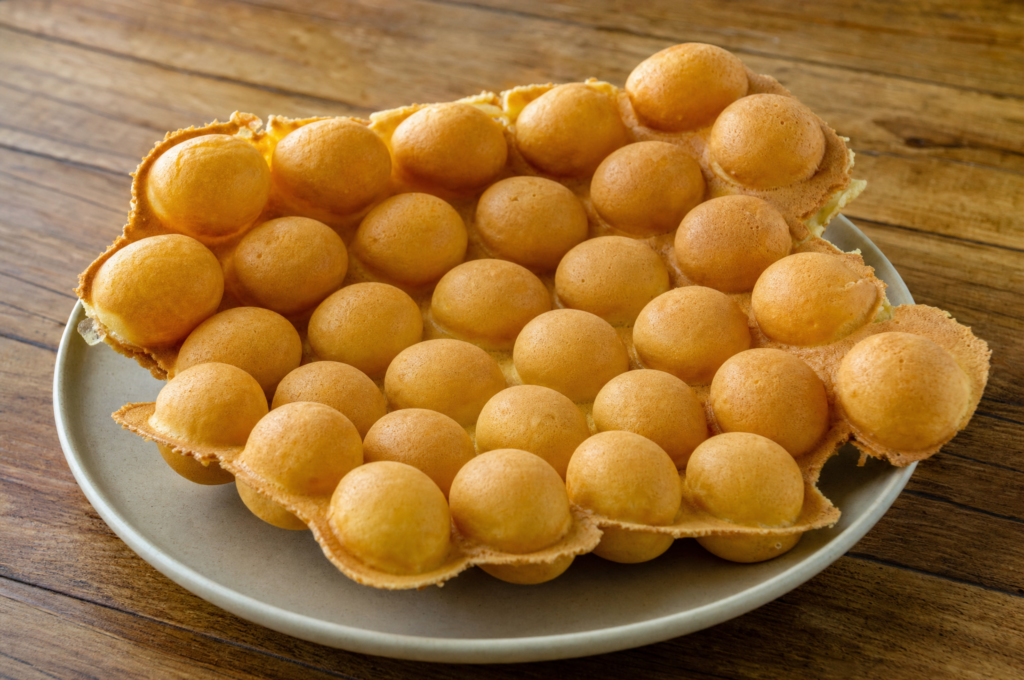
If you prefer a lighter or faster meal, browse the Tourism Board’s street-food overview for fish balls, rice rolls, siu mai, egg waffles and other familiar snacks. The article points to areas and styles, not a guarantee that a particular stall remains open. Treat street food as flexible: look at the day’s route, verify a business still operates, and carry a backup meal option if you have strict dietary needs.
Tea cafes and small breaks
A cha chaan teng is a local-style tea cafe, with menus that can mix toast, noodles, rice plates, milk tea and other everyday fare. The Tourism Board’s selected cha chaan teng guide introduces the format and names examples. Use it to recognize the style, then check a current venue listing and posted menu before travelling specifically for one cafe. These places are not interchangeable: menu language, seating, ordering and payment expectations can differ. Ask staff about ingredients when needed; milk tea and baked or griddled items may not suit dairy, egg or wheat restrictions.
Egg tarts, pineapple buns and milk tea make good short-break ideas, but neither the name nor appearance establishes a recipe. A pineapple bun need not contain pineapple, and bakery fillings and allergens differ. If you are travelling with children, snacks are easier to manage when you buy from a staffed shop and can ask about ingredients. Keep the next transfer in mind: central Hong Kong sidewalks can be busy, and carrying hot drinks or several bags through a station interchange is less pleasant than taking a pause near your next stop.
Practical ordering and dietary planning
Use each operator’s live menu, store or contact page linked above for branch details and current service information. Restaurant pages can change between visits, and published menus do not promise that every item will be available at every hour. For a special occasion or a larger group, contact the venue directly about bookings, seating and service. Do not rely on old opening-hour snippets from search results.
For allergies, halal requirements, vegetarian meals or other restrictions, ask the restaurant before ordering and be specific about ingredients and cross-contact. A dish described as vegetable-based may still use stock, dried seafood or meat-based seasoning. A menu translated into English may simplify ingredients. If the venue cannot confirm a safe meal, choose another place; a scenic location or famous dish is not worth taking a dietary risk.
Hong Kong’s dense transit network makes food planning flexible, but the harbour divides Hong Kong Island and Kowloon into separate legs. Airport arrivals can use several modes listed by Hong Kong International Airport; the Airport Express connects the airport with Tsing Yi, Kowloon and Hong Kong stations. Select food stops after deciding which side of the harbour you will be on, and avoid crossing back solely for a restaurant unless that meal is the day’s priority.
One, two or three days of food stops
- One day: Pick one dim sum or noodle meal near your main sightseeing area. Add one tea-cafe or bakery stop only if it falls along the same route. Keep the evening open for the district where you are staying.
- Two days: Give one day to Central/Sheung Wan and a second to Kowloon, or reverse the order. Try a different meal format each day—shared dim sum, roast meats, noodles or tea-cafe dishes—rather than duplicating a cross-harbour trip.
- Three days: Reserve a day for a neighborhood beyond the core if it is already part of your plans, and use the Tourism Board’s venue guides to find a meal there. Keep one meal unplanned so weather, appetite and current opening information can guide the choice.
Before setting out, check the restaurant’s own linked menu and branch page, the ferry service notices if crossing the harbour, and the airport or MTR operator pages for onward connections. These are planning links, not a promise of current availability; confirm details directly when timing or dietary safety matters.
Check the official sources
Schedules, admission, fares and service can change. Recheck these for your travel dates.
- discoverhongkong.com (checked 2026-09-28)
- discoverhongkong.com (checked 2026-09-28)
- discoverhongkong.com (checked 2026-09-28)
- discoverhongkong.com (checked 2026-09-28)
- timhowan.com (checked 2026-09-28)
- timhowan.com (checked 2026-09-28)
- maksnoodle.com (checked 2026-09-28)
- krg.com.hk (checked 2026-09-28)
- krg.com.hk (checked 2026-09-28)
- hongkongairport.com (checked 2026-09-28)
- mtr.com.hk (checked 2026-09-28)
- starferry.com.hk (checked 2026-09-28)
- discoverhongkong.com (checked 2026-09-28)