
Food
Where to Eat in Kyoto: Yudofu, Yuba and Seasonal Kyoto Cuisine
Explore Kyoto’s tofu and yuba traditions, seasonal kaiseki and everyday food, with restaurant choices arranged around the city’s neighborhoods and a practical one-to-three-day plan.
How long is your visit?
Choose an itinerary, or read the full guide below.
Check the full guide for arrival, ticket, accessibility and booking details.
Kyoto’s food is not one signature dinner to squeeze between temples. Its cuisine ranges from the simple pleasure of warm tofu to carefully sequenced seasonal courses, everyday vegetable dishes, tea and sweets. Plan meals around where you are sightseeing: Nanzen-ji and eastern Kyoto call for a different lunch stop than central Shijo-Kawaramachi, while Nishiki Market is best treated as a browsing street with its own visitor etiquette. Restaurant menus, availability and reservation rules change, so check each operator directly before making a meal the anchor of your day.
Three Kyoto flavors worth understanding
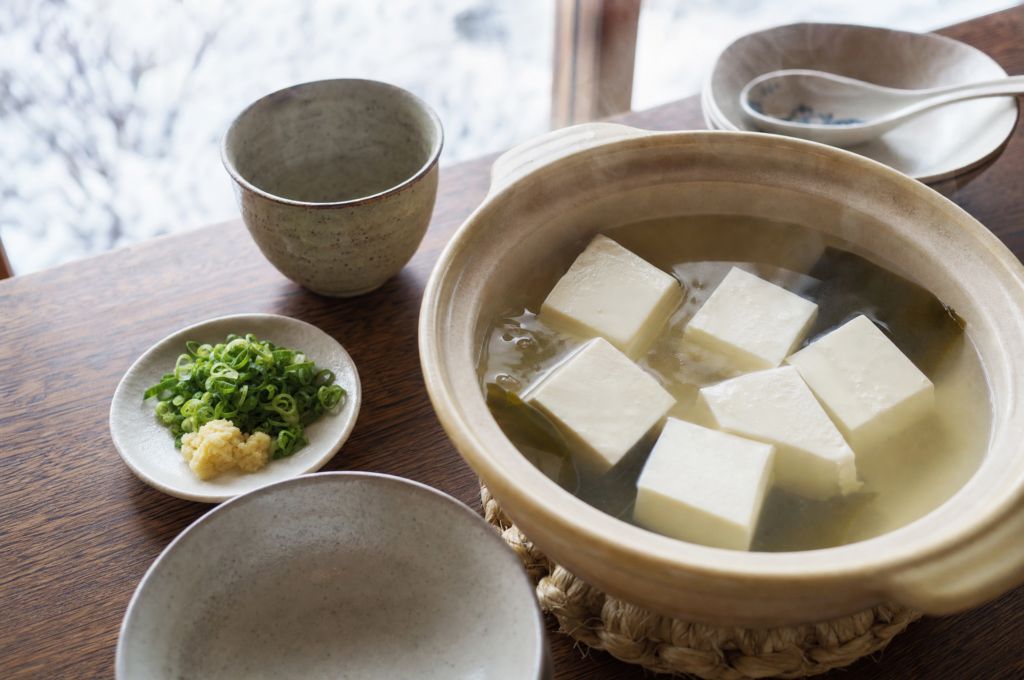
Yudofu is tofu gently heated in a pot and served with dipping sauce and accompaniments. The Kyoto City Official Travel Guide describes it as a signature winter dish and notes the concentration of yudofu restaurants around Nanzen-ji. A bowl-centered meal can feel quite different from a formal tasting menu: the tofu itself is the point, with texture and subtle flavor doing more work than heavy seasoning. Ask about the broth and sauces if you avoid fish, meat, alcohol or other ingredients; the word “tofu” alone does not make a complete meal vegan.
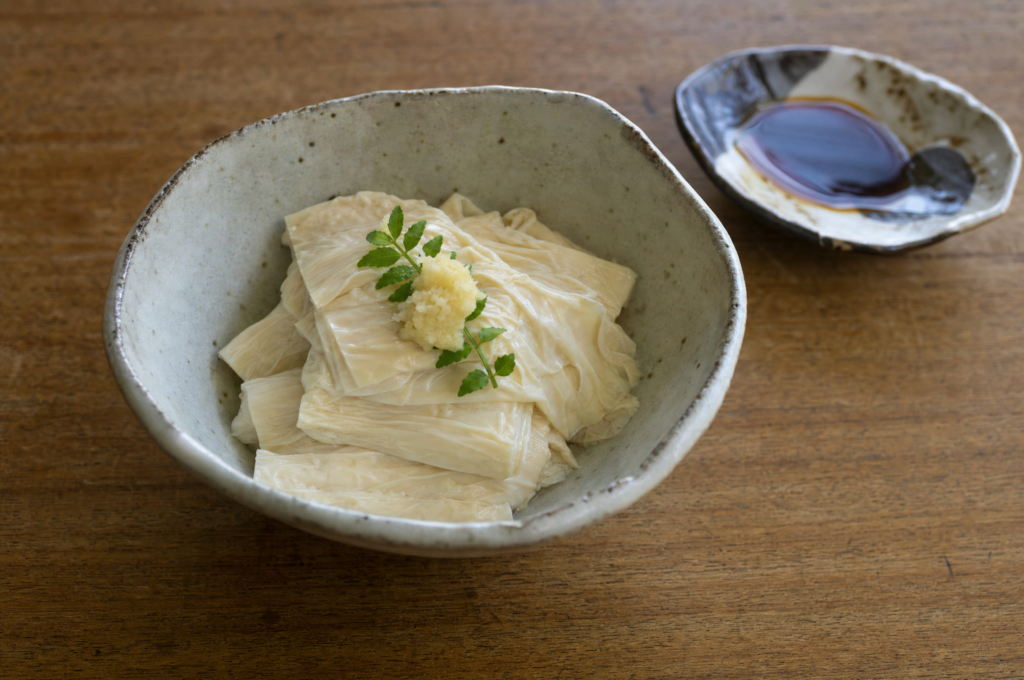
Yuba is the delicate skin that forms on heated soy milk. Kyoto’s official food guide describes it served in several ways, including raw, in hot pots and as part of kaiseki. Its softness and mild taste pair well with restrained seasoning. Some meals combine yudofu and yuba, so this is an easy way to sample related ingredients in one sitting rather than chasing separate specialty shops.
Kyo-kaiseki is a seasonal, multi-course style of Kyoto cuisine. Course composition changes with the season and the restaurant; dishes may include fish, seafood, meat, broth and local vegetables. The cuisine’s quiet appearance should not be mistaken for a vegetarian guarantee. For a less formal everyday contrast, look for obanzai, the Kyoto-style home cooking that draws on seasonal ingredients and vegetables. If you have dietary requirements, contact the restaurant before booking and describe them specifically, including whether fish-based dashi is acceptable.
Two restaurants that fit a Kyoto day
Nanzenji Junsei is a clear choice if yudofu is the meal you want to build around. The operator’s current menu presents boiled yudofu, yuba and Kyoto kaiseki options; its access page places the restaurant in front of Nanzen-ji and gives directions from Keage Station and nearby bus stops. That makes it a natural lunch or dinner stop during an eastern Kyoto day, rather than an isolated excursion from the opposite end of town. The restaurant provides an online reservation link from its official page. Check its current menu and reservation terms before deciding on a course, and confirm any ingredient needs with the restaurant. Its page notes that road traffic can be crowded in high tourist season, so do not make a taxi or bus arrival the only part of your schedule with no margin.
Gion Uemori is another operator-documented option for yudofu, yuba and seasonal kaiseki in the Gion area. Its current English page describes yudofu and yuba courses as well as seasonal multi-course meals, lists the address at 570-6 Gion-machi Minamigawa, and provides contact details for reservations and availability. This can fit an evening in the Gion/Shijo-Kawaramachi area or a meal after eastern-city sightseeing. The operator says menus change with season and market availability; treat its website as the current reference, not an assurance that a particular dish will be served on your date. If you have dietary needs, explain them when you inquire rather than assuming a tofu-based option is free of animal-derived broth.
These are examples to compare, not rankings. Junsei keeps its focus on Nanzen-ji-area tofu dining; Uemori offers a Gion location and an explicit yuba/yudofu-with-kaiseki menu. Choose by your day’s geography and preferred meal format, then confirm the service, booking and ingredients through the restaurant’s own channels.
Browse Nishiki Market thoughtfully
Nishiki Market is a central covered shopping street lined with food and specialty shops. The market association’s own visitor information and Kyoto’s official tourism guide describe a range that includes seafood, vegetables, pickles, soy foods, sweets and prepared dishes. It works well as a short tasting browse, a place to discover ingredients or a way to pick up a small edible souvenir. It is not a single food hall with a unified menu: each shop has its own selection and service.
Follow the market’s explicit request: do not walk through the arcade while eating. The association asks visitors to eat where they bought the item or in a designated in-store area; the city guide repeats the same rule. If a stall has no place to sit, keep walking with your food put away and use a suitable eat-in space or save it for later. The narrow arcade and the concentration of shoppers make this a practical courtesy as well as a visitor rule. Browse when you have time to stop, and do not schedule a market crawl immediately between distant timed reservations.
A one-day food plan: east Kyoto
Choose an eastern cluster rather than trying to eat your way across the entire city. Start with a simple breakfast near your lodging, then spend the morning around Nanzen-ji and nearby eastern sights. Book Nanzenji Junsei if its current menu suits your group; a tofu-centered lunch gives the day a clear regional focus. Leave room to walk through the neighborhood rather than stacking another restaurant far away. Keep dinner casual and nearby, or arrange Gion Uemori if you want a planned seasonal meal in the Gion area and its current format works for you. For either venue, check the actual transit route and allow for walking time, especially if your day includes temple grounds and uneven outdoor paths.
Two days: add central Kyoto
Give the first day to eastern Kyoto and the second to central neighborhoods. On the central day, browse Nishiki Market during a flexible window; pick one or two things to taste, follow the no-walking-while-eating rule, and stop in the shop’s designated area if offered. Look for an obanzai lunch or another everyday Kyoto meal rather than repeating a tofu course solely to collect another named specialty. If you want a formal dinner, compare the current kaiseki menu and reservation arrangements at Gion Uemori; book only after you have checked the course, dietary fit and location against your evening plan. The Kyoto City route planner accounts for traffic in its trip guidance, so use it instead of relying on straight-line map distance for a bus crossing.
Three days: keep a meal open
With a third day, add a separate district such as Arashiyama, Fushimi or the Kyoto Station area to your food map only if it is already part of your sightseeing plan. A yudofu meal belongs naturally with the Nanzen-ji side of town; Gion kaiseki belongs with Gion/Shijo; market browsing fits central Kyoto. Leave at least one meal unbooked so you can adapt to the weather, appetite or pace of the day. A long multi-course meal and a dense temple itinerary compete for the same hours, so choose one priority. The extra day is also a chance to try Kyoto sweets or a tea stop, but check the shop’s current offerings and location rather than assuming a famous ingredient will be in stock.
Reservations, allergies and timing
Check whether the restaurant serves the meal you want at lunch, dinner or both, then use the operator’s booking link or phone contact. Ask about expected meal duration if you have a later ticket or timed visit, and reconfirm the reservation close to the date. Ingredient questions matter especially for tofu dishes: sauces and stock can include fish, and kaiseki may include seafood or meat even when the meal features seasonal vegetables. For allergies, explain the specific ingredient and cross-contact concern directly to the restaurant; do not rely on a broad label such as “vegetarian” or “tofu course.”
Use Kyoto’s official getting-around guide and route planner to compare rail, subway and bus options before setting your meal time. Bus journeys can be affected by congestion, and the planner warns that the shortest route is not always the quickest in practice. Check current service information on the day and keep a nearby alternative when the restaurant is a key part of your plan.
Official food and planning links
- Kyoto City Official Travel Guide: food and drink
- Nanzenji Junsei: official site and reservations
- Nanzenji Junsei: current menu
- Nanzenji Junsei: access details
- Gion Uemori: current menu, address and contact
- Kyoto Travel: Nishiki Food Market and visitor rules
- Nishiki Market association: store and market information
- Kyoto Travel: current city transportation and route planner
Check the official sources
Schedules, admission, fares and service can change. Recheck these for your travel dates.
- kyoto.travel (checked 2026-09-28)
- to-fu.co.jp (checked 2026-09-28)
- to-fu.co.jp (checked 2026-09-28)
- to-fu.co.jp (checked 2026-09-28)
- uemori.net (checked 2026-09-28)
- kyoto.travel (checked 2026-09-28)
- kyoto-nishiki.or.jp (checked 2026-09-28)
- kyoto.travel (checked 2026-09-28)