
Pilgrimage
Lourdes Pilgrimage Guide
Plan a thoughtful Lourdes pilgrimage with current Sanctuary worship guidance, arrival choices, practical lodging and meals, and flexible one-, two- and three-day itineraries.

How long is your visit?
Choose an itinerary, or read the full guide below.
Check the full guide for arrival, ticket, accessibility and booking details.
Lourdes is a Catholic pilgrimage destination whose story is rooted in Bernadette Soubirous’s reported visions of Mary in 1858. The Sanctuary presents the Grotto of Massabielle, prayer, the water gesture, and its liturgical program as central parts of the pilgrimage. Visitors arrive with different purposes, including prayer, group pilgrimage, religious learning, and heritage; keep space for worship and for the people who come seeking care or quiet.
Understand the sanctuary spaces
The Sanctuary is a large precinct organized around the Grotto of Massabielle and several places of worship. The Grotto is the focus of prayer and the spring associated with the Shrine’s account of Bernadette. Nearby basilicas and chapels host different celebrations; the official site and app identify locations and current services. The Sanctuary’s app includes an interactive map, suggested routes, service filters, and real-time celebration schedules. Open it before setting out so the day’s Masses or processions can guide your order, and check again for changes.
The Sanctuary also describes the water gesture and baths as distinct ways that pilgrims engage with the spring water. Availability and arrangements vary by season and operational capacity; review the current Sanctuary information before planning around either. The water is free at the Shrine’s fountains. The Sanctuary itself notes that scientific analyses have not identified special properties in the water, and that reported cures are matters of faith rather than a scientifically established effect. Do not treat the water as medical care or promise a healing outcome.
Plan around worship and access
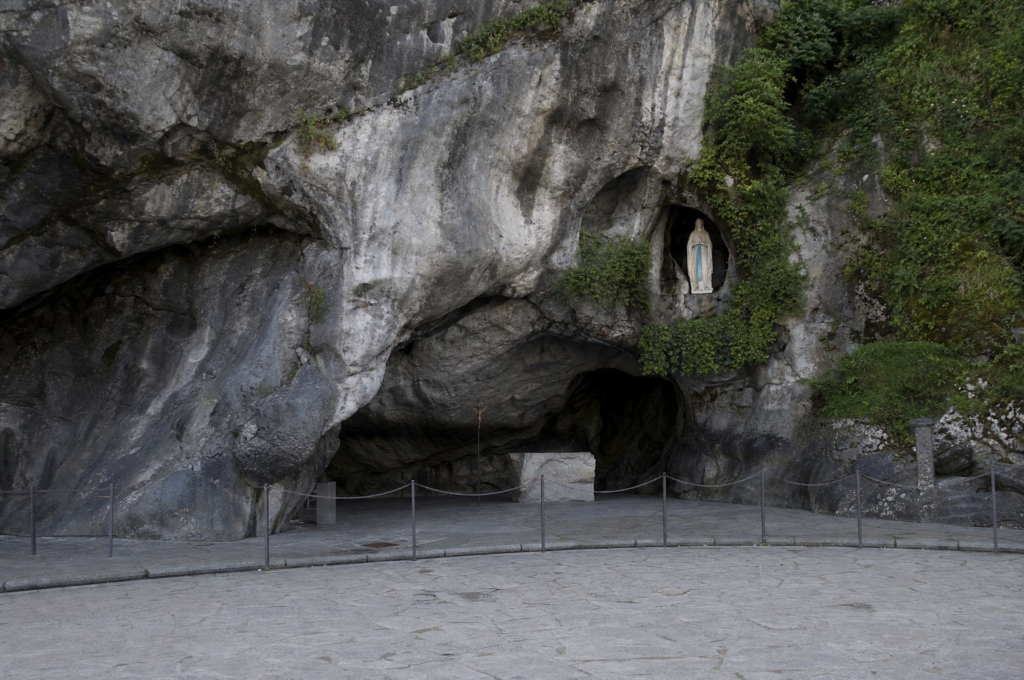
For Catholic visitors, use the Sanctuary’s live official calendar and app for Mass and liturgical events. You can also search MassTimes.org for “Sanctuary of Our Lady of Lourdes, Lourdes, France,” then confirm the service against the Sanctuary calendar. Do not plan from an old printed timetable: language, chapel, season and special-event arrangements can differ.
Check the live program for Mass, the Eucharistic procession, the Marian torchlight procession, confession, and other celebrations. These are worship services, not timed entertainment. Arrive with a flexible window, follow staff and posted instructions, and keep voices low around prayer. If you wish to join a group Mass, reserve a ceremony, or request a guided pastoral visit, use the Sanctuary’s organizer registration process. Its current guidance says that group requests for the 2026 season use the OPAL platform; procedures can change for later seasons.
Use the official map and liturgical program together: select the celebration that matters most, then plan the surrounding spaces using the current route information. Do not assume a procession starts and ends at the same place or that the nearest doorway is open. If companions separate, agree on a meeting point outside the flow of worshippers and an offline way to reconnect. For a mobility aid or support companion, confirm arrangements for the specific celebration as well as general building access; an accessible chapel does not guarantee that a queue, procession route or temporary seating fits every need. Keep the day flexible when movement instructions or worship schedules change.
Lourdes publishes specific access information for visitors with reduced mobility. The Sanctuary says the Grotto, processions, worship buildings, paths, ramps, lifts, and some services have accessibility provisions, and it offers an accessible site map and wheelchairs on loan from the Information Centre. Use its map filters and contact the Information Centre about your requirements and the route you intend to take. Facility descriptions do not guarantee that every surface or route will meet an individual need; verify details before travel.
Choose how to arrive
Lourdes is served by Tarbes-Lourdes-Pyrénées Airport, which the Sanctuary describes as the closest airport. The airport operator lists two distinct options: a dedicated airport shuttle to Lourdes town centre (Avenue du Paradis), and TLP Mobilités bus lines from the airport. Line TL serves the Lourdes bus station and Tarbes SNCF station; line T7 serves Tarbes SNCF station and Tarbes city centre. These stops are not the Lourdes railway station. The operator’s current page shows the town-centre shuttle does not run on Sundays or public holidays and that line schedules can vary; check its live notices and timetable for your travel date, including temporary event diversions, before choosing accommodation.
At the airport, check the stop name on your booked route rather than relying on “Lourdes” alone. Save your hotel address, the stop you intend to use, and a taxi or host contact offline. If an arrival is delayed, verify that the town-centre shuttle still corresponds to your flight and switch to a confirmed transfer if it does not. A station or bus-terminal label can describe a different part of town.
Lourdes railway station is a separate arrival point from the airport bus stop called Lourdes bus station. SNCF Connect lists local bus lines serving the railway station and offers date-specific train search; check the local connection and your hotel’s exact last-mile approach for your arrival time. The Lourdes Tourist Office also describes train, coach, road, and shared-transport options. Rail can suit travelers arriving from French cities, while long-distance coaches may connect Lourdes with larger French centers. Compare the arrival terminal, station, final stop, luggage, mobility and lodging address. A taxi or pre-arranged transfer can make sense for late arrivals, groups or specific access needs; the airport advises reserving evening taxi/VTC journeys ahead. Confirm the provider and return arrangement directly.
Choose a base and meals around the pilgrimage
For a short pilgrimage, staying near the Sanctuary can make it easier to return to your room between celebrations; lodging around the railway station may simplify arrival but adds a trip to the precinct. Check which gate you will use and the actual walk from the hotel’s entrance, including slope, stairs, luggage and mobility needs. Lourdes hotels often plan around seasonal pilgrim traffic, so confirm whether your dates fall within the hotel’s operating season and whether meal service matches early Mass or an evening procession.
Hotel Eliséo describes its location close to the Sanctuary and lists its rooms, restaurant and access services on its own site. Hotel Saint-Sauveur publishes room information and direct reservations, with its own restaurant and access details. For a more central town base, compare the station and old-town walk with the route to the Sanctuary before booking. The Lourdes Tourist Office’s 2026 accommodation guide is useful for discovery and season context; verify current dates, room accessibility, baggage arrangements, total price and cancellation terms directly with each property. These are examples for comparison, not endorsements or statements of availability.
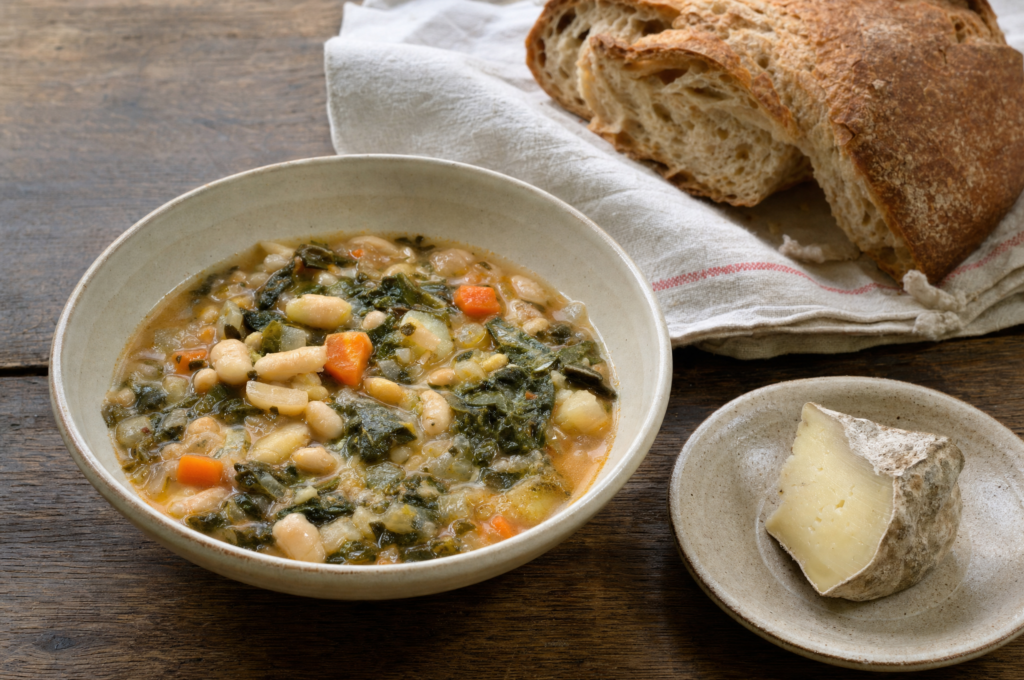
Build meals around worship and rest rather than leaving the precinct at the last minute. Check opening hours for your date, especially in the winter or outside the main pilgrimage season, and ask your hotel when dinner service ends. The Lourdes Tourist Office describes local Pyrenean specialties including garbure, trout, lamb, mountain cheeses and gâteau à la broche; menus and sourcing vary, so treat these as regional possibilities rather than a promise at a particular table.
For a meal close to the Sanctuary, Le Majorelle at the Grand Hôtel Moderne publishes its restaurant concept, menus, hours and reservation contact. Its French, Italian and South-West menu descriptions are subject to seasonal opening and change, so check the operator’s live page before choosing it. Restaurant Le Parc publishes its own menu and contact information on the railway-station side of town, which may fit a day arranged around rail arrival or the town centre. The Tourist Office’s restaurant directory offers additional local options. Confirm the day’s menu, ingredients, service hours and booking directly, and keep an easy nearby alternative for a late service or a tired day.
One day: keep the Sanctuary at the center

Choose a celebration from the official calendar and let it anchor the visit. Allow time for the Grotto, then visit one or two worship spaces according to the program and your energy. If you want the water gesture or baths, check the current Sanctuary instructions and seasonal availability first; don’t build the entire day around an activity that may not be operating. Plan a meal near your route and leave breathing room before any evening procession. A one-day visit can be deeply meaningful without fitting every basilica, museum and station into a single schedule.
Two days: add a slower activity or route
Use day one for the Grotto and a service. On day two, choose one Sanctuary activity, such as the Stations of the Cross or a current Footsteps of Bernadette offer, after checking its format, terrain and schedule. The upper Stations route is not a casual add-on for every traveler; consider the Sanctuary map and your group’s mobility, weather and energy. If a route is unsuitable, use the second day to revisit a worship space, attend a different celebration or rest between visits. Keep the return to your hotel and meal plan realistic.
Three days: balance prayer, activity and recovery
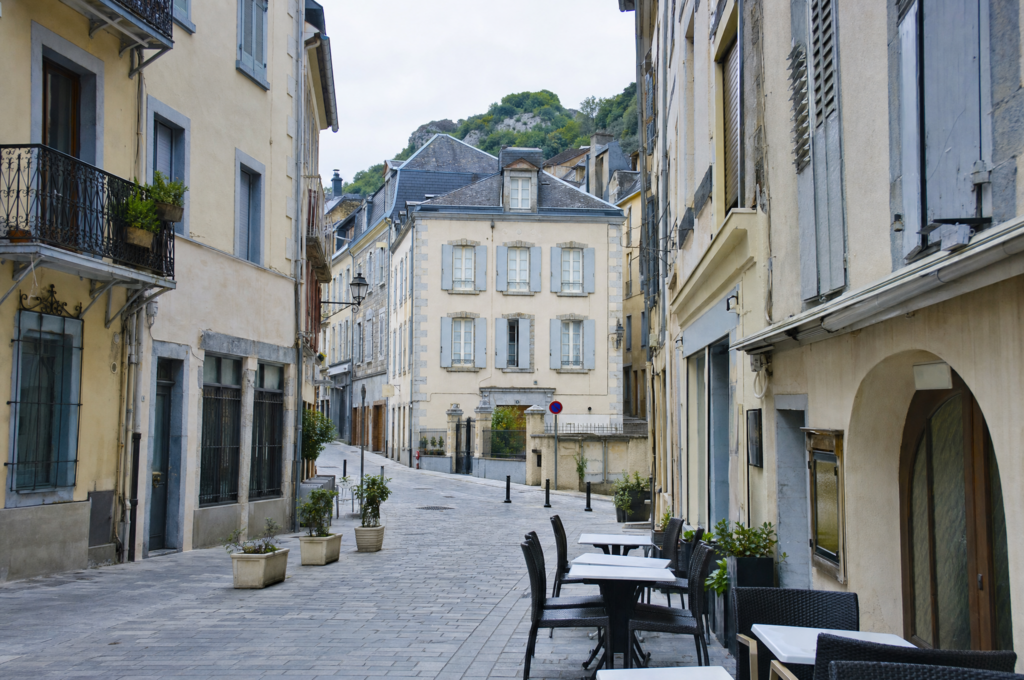
For a third day, avoid stacking several strenuous routes. Keep one day for the Sanctuary’s central spaces, one for an activity or group program you have confirmed or registered for, and one for prayer, rest or a return visit. If travel has been long, a slower morning can be more useful than a distant excursion. You may explore Lourdes town when it fits your purpose, but do not treat nearby sightseeing as required to complete a pilgrimage. Let the current worship program and any mobility or care arrangements shape your sequence.
Before you go
- Check the Sanctuary’s current program, app, map, seasonal water-gesture/baths information, and event-specific access notices.
- For groups, confirm the current registration platform and request process with the Sanctuary.
- Contact the Information Centre about a specific mobility or service need; verify the route and facility, not only the general accessibility statement.
- Check the airport’s live shuttle notices and SNCF/coach schedules for the exact date; allow a contingency for service changes.
- Respect privacy in prayer areas and follow current photography, dress, and staff guidance.
Check the official sources
Schedules, admission, fares and service can change. Recheck these for your travel dates.
- lourdes-france.com (checked 2026-09-27)
- masstimes.org (checked 2026-09-27)
- hoteleliseolourdes.fr (checked 2026-09-27)
- hotelsaintsauveur.com (checked 2026-09-27)
- lourdes-infotourisme.com (checked 2026-09-27)
- restaurantlemajorelle.com (checked 2026-09-27)
- restaurantleparclourdes.com (checked 2026-09-27)
- lourdes-infotourisme.com (checked 2026-09-27)