
Food
Where to Eat in Lyon: Bouchons, Markets and Lyonnais Specialties
A practical food guide to Lyon’s bouchon traditions, quenelles, charcuterie and praline sweets, with neighborhood stops in Vieux Lyon, Presqu’île, Croix-Rousse and Les Halles Paul Bocuse.
How long is your visit?
Choose an itinerary, or read the full guide below.
Check the full guide for arrival, ticket, accessibility and booking details.
Lyon’s food identity is both proudly local and shaped by the agricultural regions around the city. A traditional bouchon is the best-known introduction: a convivial, often compact restaurant serving Lyonnais home-style cooking, with dishes that range from a light herb-flecked fresh cheese to rich sausage, offal and quenelles. Markets and Les Halles de Lyon Paul Bocuse offer another view, bringing together regional cheeses, charcuterie, breads, seafood and prepared foods. You do not need to eat a heavy set menu at every meal; alternate a bouchon lunch with a market browse, pastry stop or modern neighborhood dinner.
What to order in Lyon
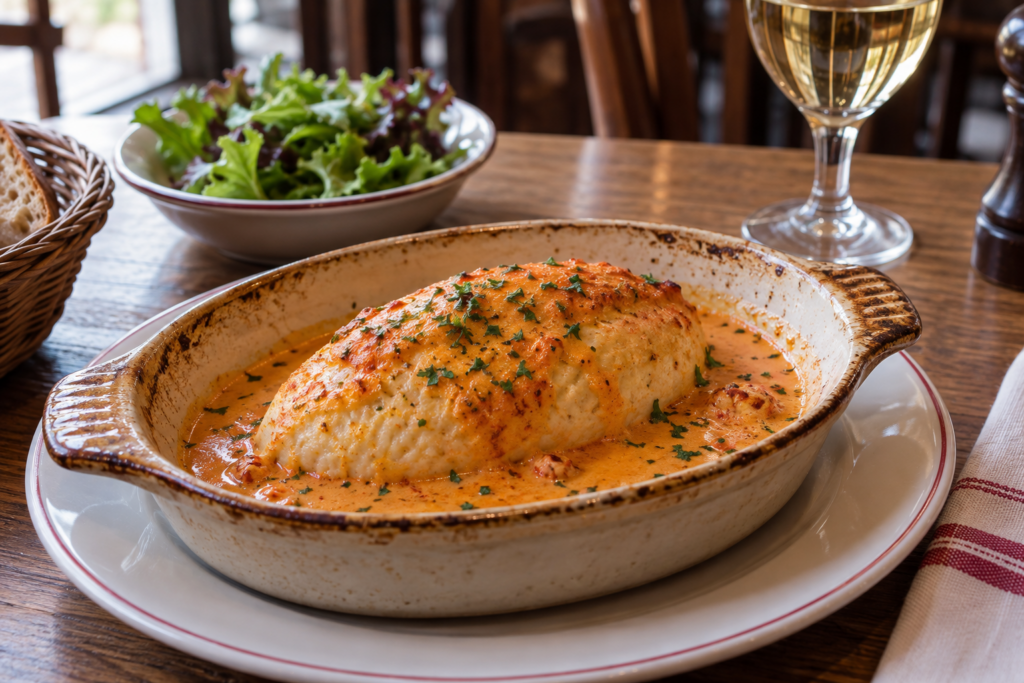
Quenelle is a light, shaped dumpling, commonly made with pike or chicken and served gratinéed with a sauce. Pike quenelle with sauce Nantua—a rich crayfish sauce—is a classic pairing. The dish is filling, and its sauce may include shellfish, so ask about the recipe when allergies matter. Salade lyonnaise is a useful starter but not automatically vegetarian: expect greens, bacon or lardons, croutons and a poached or soft-boiled egg.
Cervelle de canut is fresh fromage blanc mixed with herbs such as chives and parsley, garlic and seasoning; despite its literal name (“silk workers’ brains”), it contains no brain. It may be served with bread or potatoes. Tablier de sapeur is marinated, cooked beef tripe that is breaded and fried, usually with gribiche sauce. It is a distinctly offal-forward choice. Saucisson brioché wraps Lyon-style sausage in brioche; ask whether the sausage contains pistachio. Other bouchon staples include gâteau de foie (a savory chicken-liver cake), andouillette, pâté en croûte and hot sausage with lentils. Lyon Tourism’s specialty guide.
For sweets, seek tarte à la praline, a vivid pink tart whose filling is made with pink sugar-coated nuts, and bugnes, fried pastries especially visible around Carnival season. Lyon’s coussin de Lyon is a confection of chocolate and almond paste flavored with curaçao. The tourist office notes an important nuance: praline itself has roots beyond Lyon, including Roanne, but the tart and pink praline brioche have become emblematic Lyon treats. Lyon Tourism: specialties and their origins.
How to choose a bouchon
The word “bouchon” appears on many signs, so look for the Les Bouchons Lyonnais label if you want a restaurant recognized by the local association. Lyon Tourism describes the label as a way to identify establishments committed to the city’s culinary tradition, local products and a convivial setting. Expect a menu with a strong meat and dairy presence, close-set tables, and a meal that takes time. Reserve ahead for dinner and weekend lunch, especially for a named address; check the day’s opening schedule because some kitchens close one or more days each week. Lyon Tourism’s bouchon directory · Lyon Tourism on the label and bouchon tradition.
Vieux Lyon and Fourvière: a historic meal
Vieux Lyon makes an easy food stop before or after exploring its lanes and traboules, but choose the restaurant for its food and current menu rather than the old-town setting alone. Daniel & Denise Saint-Jean is a labeled bouchon at 36 rue Tramassac; its operator publishes current menus, including pike quenelle with Nantua sauce, Lyonnais charcuterie and seasonal dishes. Café Comptoir Abel, on the Presqu’île side of Ainay, is another operator-verified bouchon known for homemade pike quenelle and traditional Lyonnais plates. It is a short walk or transit ride from Vieux Lyon, making it a useful alternative if you want to compare neighborhoods rather than eat in the historic quarter twice. Daniel & Denise operator menus and locations · Café Comptoir Abel.
Presqu’île: bouchons, pastry and central markets
The Presqu’île between the Rhône and Saône is a practical base for lunch: it has central bouchons, cafés and access to the riverfront Saint-Antoine market. Café Comptoir Abel’s own site lists its address at 25 rue Guynemer and current service periods; the Bistrot d’Abel at 49 rue de la Bourse serves traditional Lyonnais dishes alongside a changing slate menu. For a quick dish or takeaway rather than a lengthy sit-down meal, Maison Giraudet at Place Bellecour offers quenelles in a specialist setting; check current opening times and whether the format on your visit is dine-in, takeaway or both. Bistrot d’Abel address, hours and approach · Lyon Tourism’s quenelle suggestions.
Croix-Rousse: market morning and silk-worker history
Climb or take Metro C to Croix-Rousse for a neighborhood market and a different pace from the central shopping streets. The Boulevard de la Croix-Rousse market is a major outdoor food market, usually operating on several mornings each week; the city’s current market listings specify its schedule. Arrive before lunchtime for the broadest choice, and check the date-specific timetable rather than planning around a Sunday or holiday assumption. If you want a bouchon meal in the neighborhood, Daniel & Denise Croix-Rousse at 8 rue de Cuire carries the association’s label, and its operator menu lists local dishes such as quenelle and cervelle de canut. Reserve and verify opening dates, since the restaurant publishes seasonal closures. Lyon Tourism: market-by-day guide · Lyon Tourism: Daniel & Denise Croix-Rousse.
Les Halles Paul Bocuse: a covered food market
Les Halles de Lyon Paul Bocuse at 102 cours Lafayette is a permanent covered market of independent merchants, with butchers, bakers, cheesemongers, fishmongers, charcutiers, produce sellers and restaurants. The Halles’ official information currently lists most merchants Monday–Saturday 7:30 a.m.–7:30 p.m. and Sunday 7:30 a.m.–1 p.m.; restaurant service is generally Monday–Saturday 11:30 a.m.–2:30 p.m. and Sunday 11:30 a.m.–3:30 p.m. Individual traders set their own hours, and some close on Monday, so verify the specific counter before making it the anchor of a visit. Go near opening for shopping, or arrive around lunch and expect popular counters to be busy. This is a market, not a single restaurant: decide whether you want a sit-down meal, counter tasting or ingredients to take away. Official Halles visitor information · Current merchant directory.
For a specific taste stop, the operator directory includes specialist shops and restaurants such as Maison Sève’s pastry and chocolate counter and Maison Rousseau’s seafood counter. Lyon Tourism specifically recommends Sève in the Halles for praline tart to take home. These are useful examples, but availability changes by counter and hour; browse the official merchant list and choose based on what is open when you arrive. Lyon Tourism: Sève at Les Halles.
Outdoor markets and when to go
The Marché Saint-Antoine / Célestins runs along the Saône in the 2nd arrondissement and sells fruit and vegetables, cheese, meat, poultry, charcuterie, fish, bread, pastry, wine and flowers. City listings give market hours of 6 a.m.–1 p.m. Tuesday–Thursday, 6 a.m.–1:30 p.m. Friday–Saturday and 6 a.m.–2 p.m. Sunday; there is no Monday market. Friday through Sunday has the larger stated merchant count. The Croix-Rousse market is another strong choice, especially if you are already visiting the hilltop district. Bring a reusable bag, arrive early for produce and bread, and allow time to walk the length of the stalls; these are working neighborhood markets rather than curated tasting halls. City of Lyon: Saint-Antoine / Célestins food market · Tourism office market-by-day guide.
Three ways to plan your meals
One day: Start with coffee and pastry on the Presqu’île, then take a market lunch at Les Halles or Saint-Antoine depending on the day and your preferred format. In the evening, reserve a bouchon in Vieux Lyon or Ainay and choose one unfamiliar Lyonnais specialty to share—perhaps quenelle, then cervelle de canut. Finish with a slice of praline tart rather than adding a second heavy course.
Two days: Keep day one central: browse Saint-Antoine in the morning, have lunch on the Presqu’île, then a bouchon dinner. On day two, spend the morning in Croix-Rousse, aligning the visit with a market day, and have a neighborhood lunch. If its hours fit, add a late-morning Les Halles visit on either day. Since the Halles restaurants have a limited lunch service window, do not plan to arrive late in the afternoon for a full meal.
Three days: Give one meal to a labeled bouchon in Vieux Lyon, a second to a lighter market-led lunch at Les Halles or Saint-Antoine, and a third to Croix-Rousse. Add a bakery or chocolate stop for praline sweets and leave at least one meal open for a seasonal menu. This pacing gives you a traditional meal without making every day a succession of heavy meat-and-sauce dishes. If travelling with vegetarians, plan a dedicated restaurant meal rather than assuming a traditional bouchon will have several substantial meat-free mains.
Dietary notes
Lyon’s classic bouchon cooking frequently uses pork, beef, poultry, offal, butter, cream, cheese and eggs. Salade lyonnaise contains bacon and egg; quenelle may contain fish, dairy, wheat and egg, while Nantua sauce is crayfish-based; tablier de sapeur is tripe; and saucisson brioché combines pork sausage and wheat pastry. Cervelle de canut is a better meat-free possibility, but ask whether it is served with bread and confirm the recipe. Market counters can handle seafood, nuts and gluten in close quarters. For celiac disease, severe allergies, pregnancy-related food restrictions or strict vegetarian/vegan needs, contact the restaurant before booking and discuss ingredients and cross-contact directly. A listed dish name is not an allergen guarantee.
Market hours, restaurant schedules, menus and prices can change, including for holidays and seasonal closures. Confirm the exact service with the operator before you travel.
Official city, market and operator sources
- Lyon Tourism: Lyon’s specialties
- Lyon Tourism: Lyonnais specialties and praline origins
- Lyon Tourism: labeled bouchons directory
- Lyon Tourism: bouchon heritage and food culture
- City of Lyon: Saint-Antoine market
- City of Lyon: Croix-Rousse market
- Lyon Tourism: weekly market listings
- Les Halles: hours, address and access
- Les Halles merchant directory
- Daniel & Denise operator site
- Café Comptoir Abel operator site
- Bistrot d’Abel operator site
- Daniel & Denise Croix-Rousse listing
- Sève at Les Halles
Check the official sources
Schedules, admission, fares and service can change. Recheck these for your travel dates.
- en.visiterlyon.com (checked 2026-09-27)
- visiterlyon.com (checked 2026-09-27)
- events.lyon-france.com (checked 2026-09-27)
- en.visiterlyon.com (checked 2026-09-27)
- lyon.fr (checked 2026-09-27)
- en.visiterlyon.com (checked 2026-09-27)
- halles-de-lyon-paulbocuse.com (checked 2026-09-27)
- halles-de-lyon-paulbocuse.com (checked 2026-09-27)
- danieletdenise.fr (checked 2026-09-27)
- maisonabel.fr (checked 2026-09-27)
- maisonabel.fr (checked 2026-09-27)
- en.visiterlyon.com (checked 2026-09-27)
- visiterlyon.com (checked 2026-09-27)
- en.visiterlyon.com (checked 2026-09-27)