
Pilgrimage
Mahabodhi Temple Pilgrimage Guide: Plan a Respectful Visit to Bodh Gaya
Plan a Buddhist pilgrimage to the Mahabodhi Temple in Bodh Gaya with current site checks, arrival and lodging choices, worship-aware visitor guidance, and flexible one-, two-, and three-day outlines.
How long is your visit?
Choose an itinerary, or read the full guide below.
Check the full guide for arrival, ticket, accessibility and booking details.
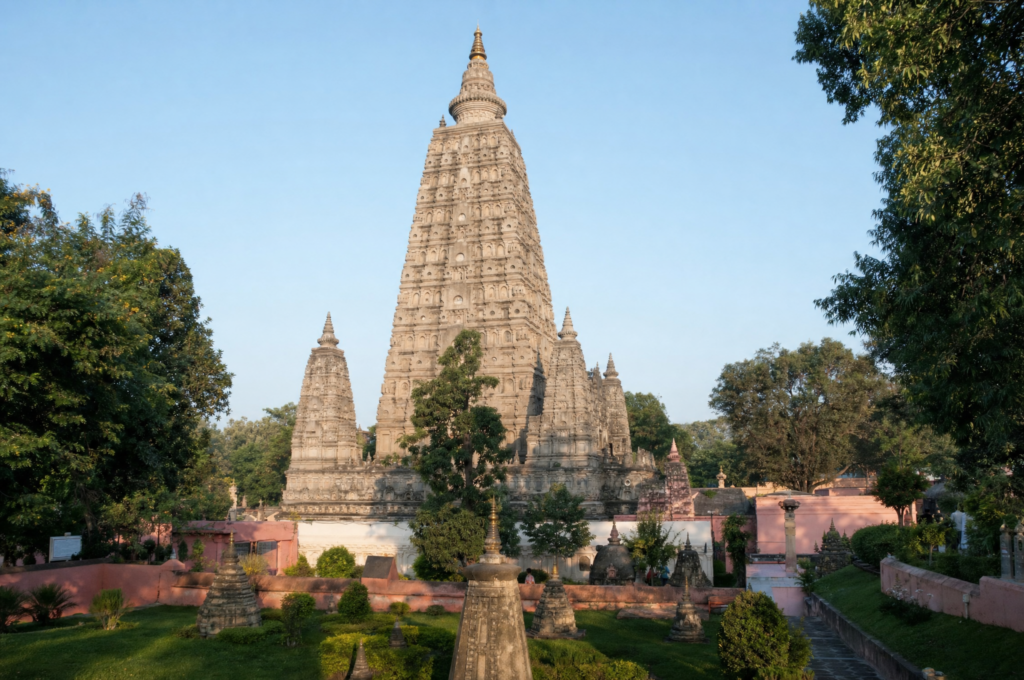
Bodh Gaya, in Bihar, is revered across Buddhist traditions as the place where Siddhartha Gautama attained awakening beneath the Bodhi Tree. The Mahabodhi Temple Complex is both a living pilgrimage site and a protected heritage property. Come with time for prayer, meditation, or quiet observation, and remember that the temple is a place of worship first. The experience is not measured by how many shrines or monasteries you can cross off in a day.
Why the temple matters
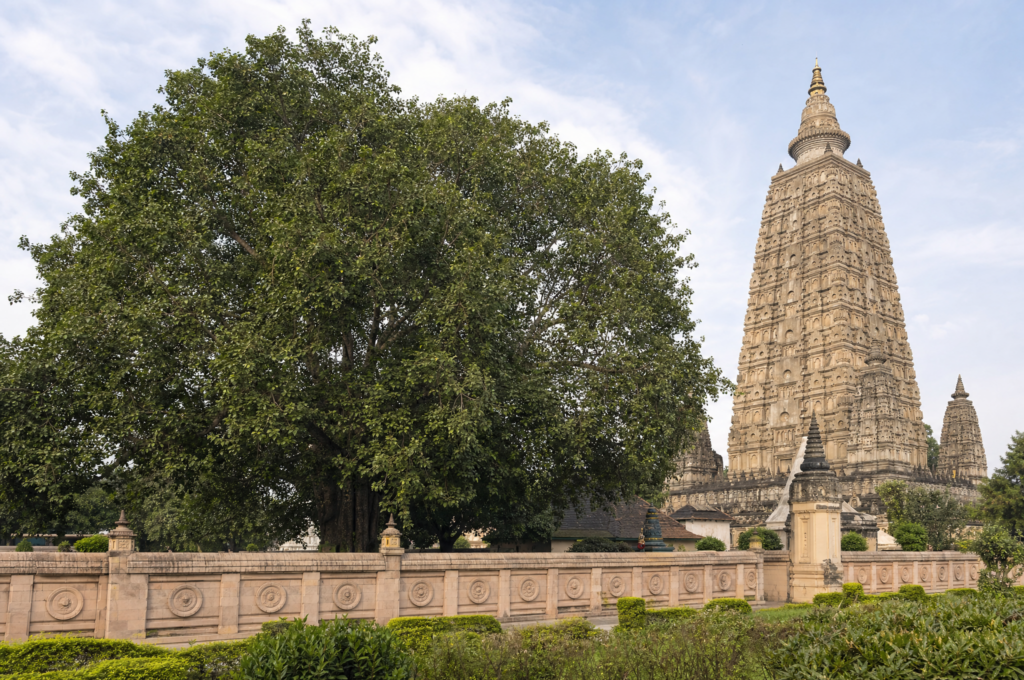
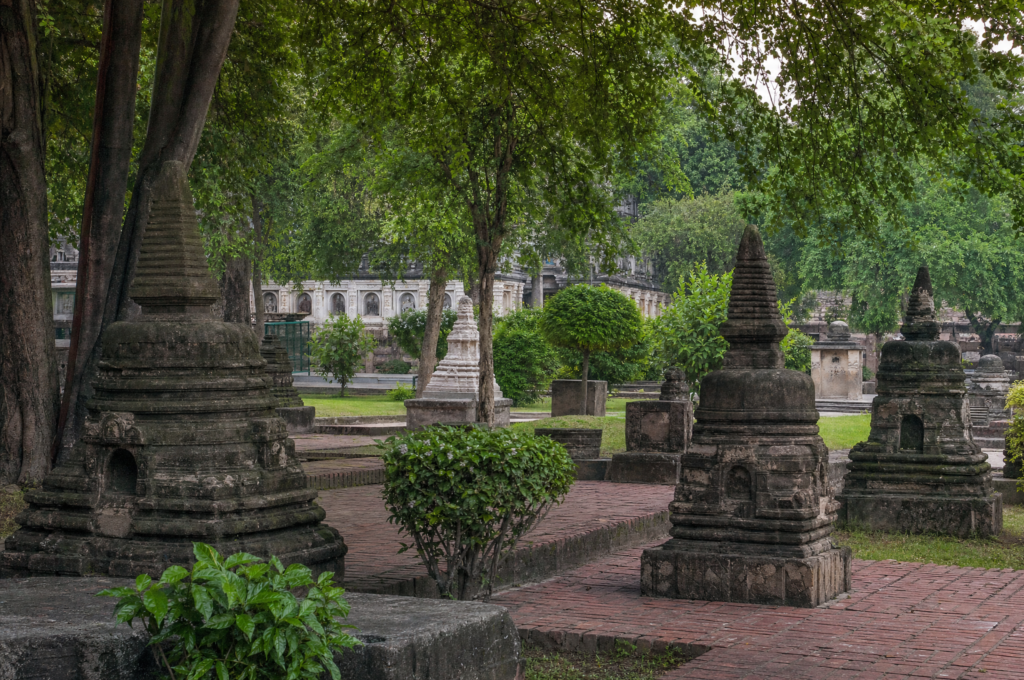
The present Mahabodhi Temple is an early brick monument whose architectural form rises above a walled complex beside the Bodhi Tree. UNESCO describes a 50-metre temple, the Vajrasana or Diamond Throne, the Bodhi Tree, and a series of sacred places associated in Buddhist tradition with the weeks following the Buddha’s awakening. The protected complex contains votive stupas and historic remains as well as active spaces for devotion. The UNESCO property description is useful for understanding both the site’s religious meaning and its material history.
Buddhists venerate the Bodhi Tree as a living connection with the awakening tradition. The Vajrasana marks the seat associated with that event. Around the central temple, the paths and small shrines recall episodes described in Buddhist accounts of the period after awakening: the Animeshlochan Chaitya, Ratnachakrama walkway, Ratnaghar Chaitya, and sites near the Ajapala Nigrodha and Rajayatana trees. The Lotus Pond, associated with the sixth week in tradition, lies south of the enclosure. Let this be a slow circuit, pausing where it feels appropriate rather than hurrying from marker to marker.
UNESCO describes the temple as one of the four holy sites connected with the Buddha’s life and notes that the complex has drawn pilgrims for centuries. The awakening association is a matter of Buddhist faith and tradition; the architectural and archaeological record also tells a story of successive building, repair, and worship. Visitors can respect both without collapsing them into one account. For broader heritage context, the Gaya district administration and Bihar Tourism provide official orientation; use the temple management’s current instructions for the practical details of entry.
Access rules and worship etiquette
The Bihar Tourism visitor page currently says mobile phones, cameras, and electronic gadgets are prohibited at the temple and advises modest clothing, removing footwear before entry, maintaining silence, and avoiding photography where prohibited. Treat security screening and posted instructions at the entrance as authoritative. Rules can change, and a device policy may apply differently across the inner complex and nearby public streets. Do not plan on taking a phone or camera inside; arrange secure storage or leave devices at your accommodation after confirming current arrangements. Never photograph where a sign or staff member prohibits it.
Allow worshippers priority around the Bodhi Tree, Vajrasana, temple sanctum, and meditation areas. Keep your voice low, avoid crowding a person who is praying, and do not touch the tree, offerings, images, or protected remains. Ask before photographing other people or religious activity, and follow any request not to photograph. Dress in a way that covers shoulders and legs, and remove shoes wherever instructed. There may be queues or temporary movement controls at busy times; do not assume that a particular route, ritual, or position near the tree will be available.
Temple opening hours and ceremony details are date-sensitive. Official government visitor pages do not always show identical schedules, so check current notices through the Bodhgaya Temple Management Committee and confirm at the entrance or with the local tourist information office. Plan with flexible arrival and departure times, especially on observance days. Do not assume that an advertised meditation session, chanting, or other practice is open to drop-in visitors; ask the temple authority or the hosting monastery directly about participation and any separate registration.
Bodh Gaya is an international Buddhist center, and its many monasteries represent diverse communities and lineages. A monastery open to visitors may still have areas reserved for residents, a retreat in progress, or its own rules for shoes, dress, and photography. Check with the institution before entering beyond a public courtyard. Do not treat a prayer hall as an exhibit or interrupt a teaching or ceremony for a photograph. If a space is closed, accept that boundary and choose another public area.
Choose your arrival route
Gaya Airport is the nearest air gateway. The Airports Authority of India describes it as about 5 km from Bodh Gaya and says its flight pattern includes seasonal pilgrimage services; Bihar’s Gaya district page gives a different road-distance figure. Because the actual approach depends on your pickup point and traffic, arrange a direct transfer with your lodging or a local taxi operator and confirm the meeting place before arrival. Check the airport’s live flight schedule and your airline’s booking system: seasonal routes can be useful when they operate, but should not be assumed year-round.
Gaya Junction is the main rail gateway. The Gaya district page estimates about 20 km between the station and Mahabodhi Temple; take an auto-rickshaw, taxi, or prearranged hotel transfer for the road leg. Confirm the destination address with the driver because Gaya city and Bodh Gaya are separate places. Train schedules, platform changes, and road conditions shift, so check Indian Railways for your travel date and avoid planning a tight train-to-ceremony connection.
Road travelers can connect from Patna, Gaya, and other Bihar towns. Bihar Tourism identifies auto-rickshaws and cycle-rickshaws for moving around Bodh Gaya, and the Gaya district describes Bodh Gaya as connected by road to major Bihar cities. Local traffic, pedestrian activity, and seasonal crowding can make a short road journey slower than expected. Agree the destination and fare or meter arrangement before departure. For a day trip from Gaya, make sure you also have a clear return plan.
Within town, the central temple and many monastery streets can be explored on foot if the heat, distance, and street conditions suit you. Auto-rickshaws and cycle-rickshaws can help with longer transfers or when carrying bags, but agree the drop-off point and return arrangement rather than assuming every lane is open to vehicles. If you need a step-free route or other mobility support, contact the temple management, accommodation, and transport provider in advance; public heritage descriptions do not establish the access conditions of every path or interior.
Where to stay
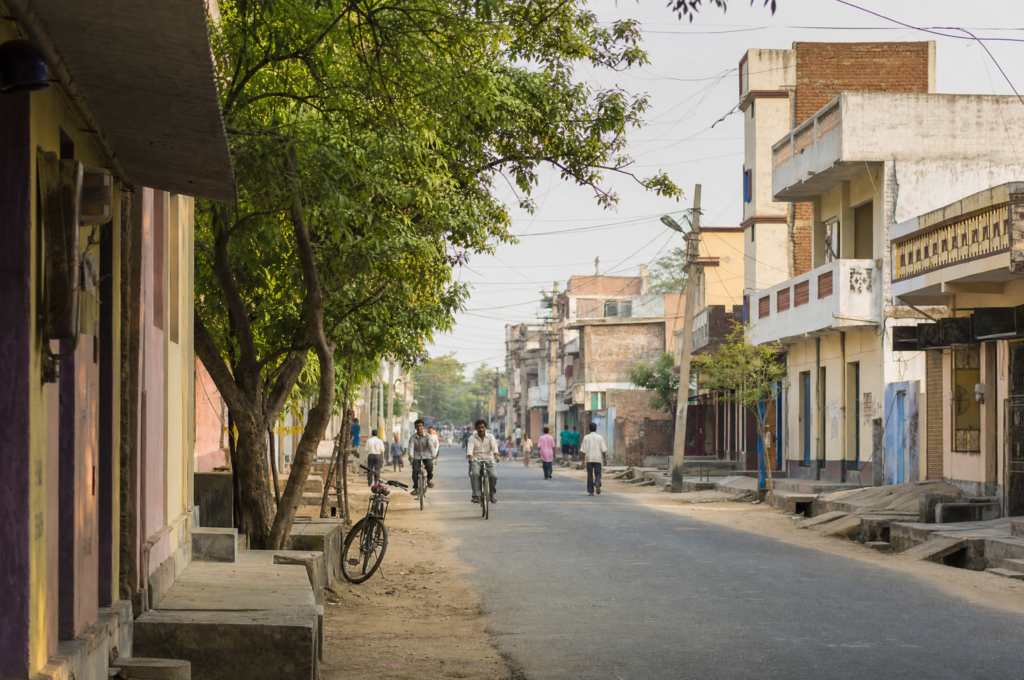
Staying in Bodh Gaya keeps early or evening temple visits practical. Compare the walk or transfer from the exact hotel entrance to the temple gate, and think about whether you want a quiet retreat-style base, a full-service property, or a room near other monasteries and dining. Gaya city is a separate base that can suit rail connections or other appointments, but it adds travel time to the pilgrimage precinct. Choose based on the route you actually intend to use, not a broad “near Gaya” label.
For direct comparison, Niranjana Hotel says it is about 300 metres from the Mahabodhi Temple and sits opposite the Archaeological Museum; its own site lists a lift and restaurant. Hyatt Place Bodh Gaya describes its location near the Mahabodhi Temple and Gaya Airport, with dining at its Gallery Café. Ramada by Wyndham Bodh Gaya Mahabodhi publishes its room, location, and dining information directly. These are examples, not rankings or recommendations based on guest reviews. Confirm room availability, exact address, current facilities, total price, cancellation terms, meal schedules, and any access requirements with the hotel before booking.
Food around the pilgrimage

Bihar’s litti-chokha is a regional dish worth looking for: Bihar Tourism describes litti as a salted wheat-flour cake filled with sattu (roasted gram flour) and spices, served with ghee and often paired with brinjal or potato chokha. This gives useful local food context, but a dish’s regional association does not mean every Bodh Gaya kitchen serves it. Ask a restaurant whether it has litti-chokha that day, how it is prepared, and whether ghee or other ingredients can be adjusted for your diet.
Hotel dining can be convenient around early visits and meditation periods. Niranjana’s Sujata Restaurant describes Indian and several Asian cuisines and publishes its own contact details; its hours and menu are subject to change. Hyatt’s Gallery Café page describes Indian, Asian, Western, and locally inspired food. Ramada’s official site lists a multi-cuisine restaurant and coffee shop. Use each restaurant’s live page or contact channel to reconfirm service times, menu, reservation needs, and dietary accommodations. Carry snacks only where allowed, and keep food away from the temple precinct if current signs prohibit it.
One-day plan
Make the temple complex the day’s purpose. Check the current entry instructions before leaving your hotel, and do not bring prohibited electronics into the security line. Once inside, begin with the main temple and allow quiet time near the Bodhi Tree and Vajrasana in the flow permitted by staff. Walk the inner paths to the associated sacred places at an unhurried pace. Pause for meditation or prayer if that is part of your practice, while leaving space for other pilgrims. Eat and rest outside the complex, and avoid stacking a long excursion onto this day.
Two-day plan
Use the first day for the Mahabodhi Temple and its sacred landscape. On day two, choose one additional Buddhist institution or site that matches your interests. A monastery visit should be arranged with its own community; the different national temples and centers have distinct calendars and may be closed for retreat or worship. Alternatively, after checking current access, add the Archaeological Museum or the Thai monastery noted by the Gaya district. Keep a generous break at midday and reserve time to return to the temple if you want another quiet visit.
Three-day plan
Three days make it possible to add one carefully planned regional excursion without crowding the central pilgrimage. Sujata Garh and Sujata village across the Niranjana River are associated in local and Buddhist narratives with Sujata’s offering before the Buddha’s awakening; the Gaya administration places the stupa about 2 km from the temple. Verify the current route, site access, and transport before you go, and treat the story as a religious tradition rather than a guaranteed archaeological conclusion. Another option is a slower day in Bodh Gaya with more time for meditation, a monastery that has confirmed visitors, or a second visit to the main complex. A multi-site trip to Rajgir or Nalanda involves longer road travel and should be planned as its own day with confirmed transport and opening details.
Season, festivals, and practical checks
Bihar Tourism suggests September to April as a favorable general period, but seasonal comfort varies, and weather can still affect travel. Buddha Jayanti/Vesak and other Buddhist observances can draw many pilgrims and alter local movement. If you want to attend a celebration, confirm the date, entry route, current program, and any visitor restrictions with temple authorities. If your priority is quiet reflection, check the calendar and choose a flexible date. In all seasons, drink water and rest outside protected worship areas, and build in time for heat, rain, or traffic.
Before departure, check the temple management’s latest visitor instructions, Bihar Tourism’s current guidance, Gaya district information, airport or railway schedules, and your hotel’s direct messages. Reconfirm all hours, device rules, ceremony access, food service, transport, and accommodation for your exact dates. The temple’s living worship and heritage protection are reasons to leave flexibility in the plan.
Official planning links
- UNESCO: Mahabodhi Temple Complex identity, religious context, and architecture
- Bihar Tourism: visitor guidance, etiquette, and current device restrictions
- Gaya District Administration: temple and arrival orientation
- Gaya District Administration: nearby sites and district visitor information
- Airports Authority of India: Gaya Airport and airport information
- AAI: Gaya Airport flight schedule information
- Indian Railways: train planning and current schedules
- Bihar Tourism: litti-chokha food context
- Niranjana Hotel: direct lodging and restaurant information
- Hyatt Place Bodh Gaya: direct lodging information
- Ramada by Wyndham Bodh Gaya Mahabodhi: direct lodging and dining information
Check the official sources
Schedules, admission, fares and service can change. Recheck these for your travel dates.
- whc.unesco.org (checked 2026-09-27)
- tourism.bihar.gov.in (checked 2026-09-27)
- gaya.nic.in (checked 2026-09-27)
- gaya.nic.in (checked 2026-09-27)
- aai.aero (checked 2026-09-27)
- aai.aero (checked 2026-09-27)
- indianrailways.gov.in (checked 2026-09-27)
- tourism.bihar.gov.in (checked 2026-09-27)
- hotelniranjana.com (checked 2026-09-27)
- sujatarestaurant.com (checked 2026-09-27)
- hyatt.com (checked 2026-09-27)
- hyatt.com (checked 2026-09-27)
- ramadabodhgayamahabodhi.com (checked 2026-09-27)