
Food
A Food Guide to Mallorca: Island Dishes, Markets and Where to Eat
Explore Mallorcan classics from ensaïmada and coca de trampó to tumbet, frit mallorquí and arròs brut, with verified Palma stops and practical island itineraries.
How long is your visit?
Choose an itinerary, or read the full guide below.
Check the full guide for arrival, ticket, accessibility and booking details.
Mallorca’s food is shaped by a productive inland plain, mountain olive groves, fishing towns and a capital with busy markets. A good first taste is not one long checklist: combine a bakery breakfast, a market or neighborhood lunch, and one sit-down meal built around local cooking. Palma is the easiest base for variety and transport connections; smaller towns add a stronger landscape and seasonal rhythm. Menus vary by season and kitchen, so use named dishes as things to look for rather than guaranteed orders, and reconfirm opening hours and reservations with the venue.
Island dishes worth recognizing
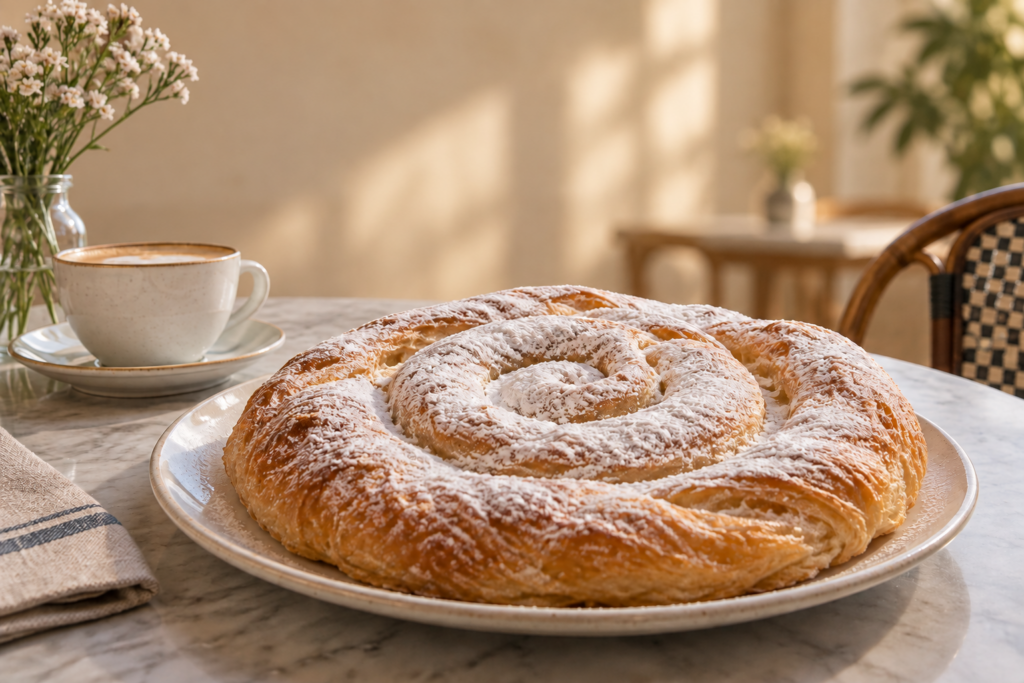
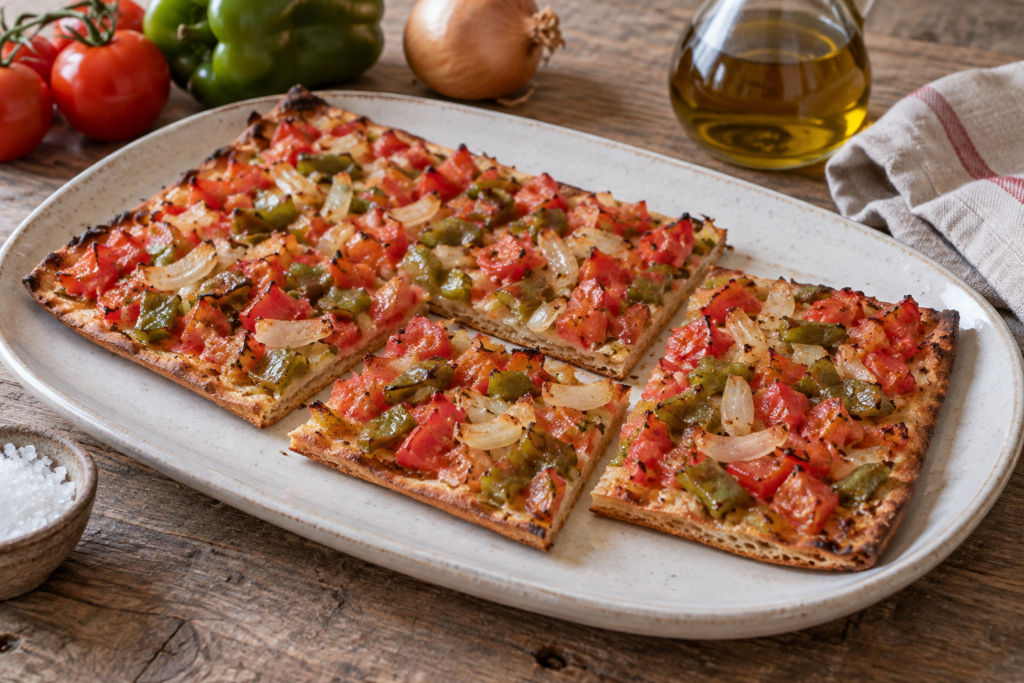
Ensaïmada de Mallorca is the best-known sweet: a large, airy spiral dusted with sugar. The protected product uses saïm (pork lard), so it is not vegetarian by default. The plain version and one filled with angel-hair squash are traditional; bakeries also offer seasonal and other filled versions. Larger ensaïmades may need advance ordering. Coca de trampó is a thin, crisp olive-oil dough topped with the tomato, pepper and onion salad called trampó. It works well as a morning snack or light lunch, especially when summer vegetables are in season. Coca de patata, associated with Valldemossa, is a soft, lightly sweet potato bread often paired with hot chocolate or almond ice cream.
For savory dishes, look for tumbet (also written tombet), a layered dish of potatoes, aubergine, courgette, peppers and tomato. It may arrive as a vegetable plate or alongside meat or fish; ask how the kitchen prepares it if you need a vegetarian main. Frit mallorquí is a hearty fry-up with potatoes, vegetables and meat, often pork or lamb depending on the version. Arròs brut is a spiced, brothy rice traditionally made with meat and sometimes game or snails. Sobrassada, the island’s paprika-seasoned cured pork sausage, appears on bread, in fillings and in cooked dishes. Ask about meat ingredients and broths rather than assuming a dish is meat-free from its name. Balearic Islands tourism: Mallorca’s local products · Official tumbet recipe and ingredients.
Other useful words on menus include pa amb oli (bread rubbed with tomato and dressed with olive oil, often topped with cheese or cured meats), llom amb col (pork loin with cabbage), stuffed aubergine, Mallorcan soups and variat, a mixed plate of small prepared dishes. Fresh fish and seafood are natural choices on the coast, though a local name does not promise local catch. Mallorca’s olive oil and almonds also appear throughout the table. Choose what is in season and ask how large a portion is before ordering several plates.
Palma: bakeries, markets and traditional cooking
In Palma’s old town, Ca’n Joan de s’Aigo is a well-established stop for a pastry and a drink. Its current operator menu lists ensaïmada, gató almond cake, coca de patata, savoury pies, hot chocolate and house-made ice creams. The site notes that large ensaïmades should be ordered two days in advance. Visit for the menu that is actually offered on your date, and check its current shop details before setting out. Ca’n Joan de s’Aigo official menu.
For a full meal focused on Mallorcan cooking, Celler Sa Premsa is at Plaça del Bisbe Berenguer de Palou 8 in central Palma. The operator describes its cooking as traditional Mallorcan food and names dishes including frit de matances, Mallorcan soups, stuffed aubergines, arròs brut and gató with almond ice cream. Its daily lunch menu changes, and Sunday is listed as closed on the operator page; verify the latest schedule and reserve directly. Celler Sa Premsa official menu, location and hours.
Markets are useful for understanding what Palma is eating now. The Mercat de l’Olivar is the central covered market; Santa Catalina is another neighborhood market with food counters and produce. The island tourism site presents both as places to browse fresh produce and eat tapas or mixed plates, but individual stalls keep their own schedules. A market lunch offers flexibility for a group with different appetites. Go earlier in the day for shopping, then check which counters are open before planning a meal around one specific stand. Balearic Islands tourism: Palma’s gastronomic markets.
Beyond Palma: a taste that follows the landscape
In Valldemossa, coca de patata is a natural snack between the historic center and a Tramuntana walk. The official island food route also highlights frit mallorquí, tumbet, pork with cabbage and seasonal seafood dishes across the mountain villages. That route is a useful guide to regional specialties, not a guarantee that every restaurant has each plate every day. A bakery stop can work better than a formal lunch on a short village visit. Official Valldemossa food route.
In Sóller and Port de Sóller, look for dishes built around local produce and fish, including the area’s celebrated red prawn when a restaurant confirms its source and current availability. Town and port are distinct stops: Sóller’s central square and railway station are inland, while Port de Sóller wraps around the bay. The historic train and tram connect the two, but check operating times and ticket arrangements if you plan a meal around the connection. In inland villages, traditional menus may feature more stews and meat dishes; on the coast, seafood becomes more prominent. Neither pattern guarantees a specific dish, so a quick menu check saves a wasted detour.
Three food-first plans
One day in Palma: Start with ensaïmada, coca de patata or a savory pastry at Ca’n Joan de s’Aigo. Explore the old town, then visit Mercat de l’Olivar or Santa Catalina for a flexible light lunch if counters are serving. For dinner, reserve Celler Sa Premsa and choose from the menu available that day; ask whether tumbet, frit or arròs brut is on. Keep the market and dinner in Palma rather than trying to squeeze in a distant coast meal.
Two days: Give Palma a full first day for bakeries, market browsing and a traditional dinner. On day two, take the train toward Sóller or a bus toward Valldemossa after checking the current operator schedule. Plan a relaxed village lunch or bakery snack, then return before the last convenient connection. If heading to Port de Sóller, allow time to walk the waterfront and confirm whether your chosen restaurant is in the town or at the port.
Three days: Keep day one in Palma. Use day two for Valldemossa and another nearby Tramuntana village, treating coca de patata as a snack rather than expecting a full range of island classics in a small place. Spend day three in Sóller and Port de Sóller, with a seafood meal if a restaurant’s current menu suits. Alternatively, if beaches are the priority, choose one coast and eat locally there rather than crossing the island for every meal. A car broadens options but adds parking and narrow-road decisions; without one, build each day around a direct bus or rail connection and do not plan a late dinner far from your accommodation.
Season, diet and practical details
Eating hours, market schedules and restaurant service change by neighborhood and season. Some coastal businesses reduce services outside the main holiday period; village kitchens may close between lunch and dinner. Check the operator’s own schedule for your date, and reserve for a specific sit-down meal. The island’s popular routes can be busy in summer, while heat makes a long midday walk less comfortable. Carry water and avoid setting a tight connection after lunch.
Mallorcan classics can include pork, lamb, game, fish, shellfish, eggs, dairy, wheat and lard. Ensaïmada contains pork lard in the protected traditional recipe; sobrasada is pork; frit and arròs brut are typically meat-based. Tumbet is vegetable-based but may be served with meat or cooked in a shared kitchen. For allergies, celiac disease or strict dietary needs, ask the restaurant directly about ingredients, shared fryers and cross-contact; do not rely on a dish name alone. If ordering a large ensaïmada for travel, check packaging and lead time with the bakery.
Public transport is useful between Palma and major towns, but rural and coastal connections are not interchangeable. Check the TIB route planner and service notices for the travel date; the Mallorca network includes bus, train and metro, while EMT Palma operates urban routes. At the airport, AENA lists EMT airport routes A1 to central Palma and A2 toward S’Arenal, alongside intercity Aerotib routes. Stops and timetables can change, and some airport routes are seasonal. TIB routes and service notices · AENA airport bus information.
Official food and operator sources
- Balearic Islands tourism: local Mallorca produce and dishes
- Balearic Islands tourism: bakeries and sweets
- Protected ensaïmada product information
- Coca de trampó and trampó salad
- Valldemossa food route
- Ca’n Joan de s’Aigo menu
- Celler Sa Premsa menu and visitor information
- Palma gastronomic markets
- TIB transport information
- AENA airport buses
Check the official sources
Schedules, admission, fares and service can change. Recheck these for your travel dates.
- illesbalears.travel (checked 2026-09-27)
- illesbalears.travel (checked 2026-09-27)
- illesbalears.travel (checked 2026-09-27)
- gastronomia.illesbalears.travel (checked 2026-09-27)
- illesbalears.travel (checked 2026-09-27)
- canjoandesaigo.com (checked 2026-09-27)
- cellersapremsa.com (checked 2026-09-27)
- gastronomia.illesbalears.travel (checked 2026-09-27)
- tib.org (checked 2026-09-27)
- aena.es (checked 2026-09-27)