
Food
Marrakech Food Guide: Tanjia, Tagines and Medina Meal Plans
Plan Marrakech meals around the medina, Guéliz and Hivernage, with regional dish context, current operator menus and flexible one-, two- and three-day food routes.
How long is your visit?
Choose an itinerary, or read the full guide below.
Check the full guide for arrival, ticket, accessibility and booking details.
Plan meals around the medina and modern districts
Marrakech food plans work best when meals follow the part of town you are already exploring. The medina’s lanes, souks and historic sites can take longer to navigate than their map distances suggest. Guéliz has wider avenues, cafés and the railway station area; Hivernage lies along the modern-city side south of Guéliz. Decide whether a meal is the day’s destination or a stop on the way to somewhere else, and leave time to return to the right gate or pickup point.
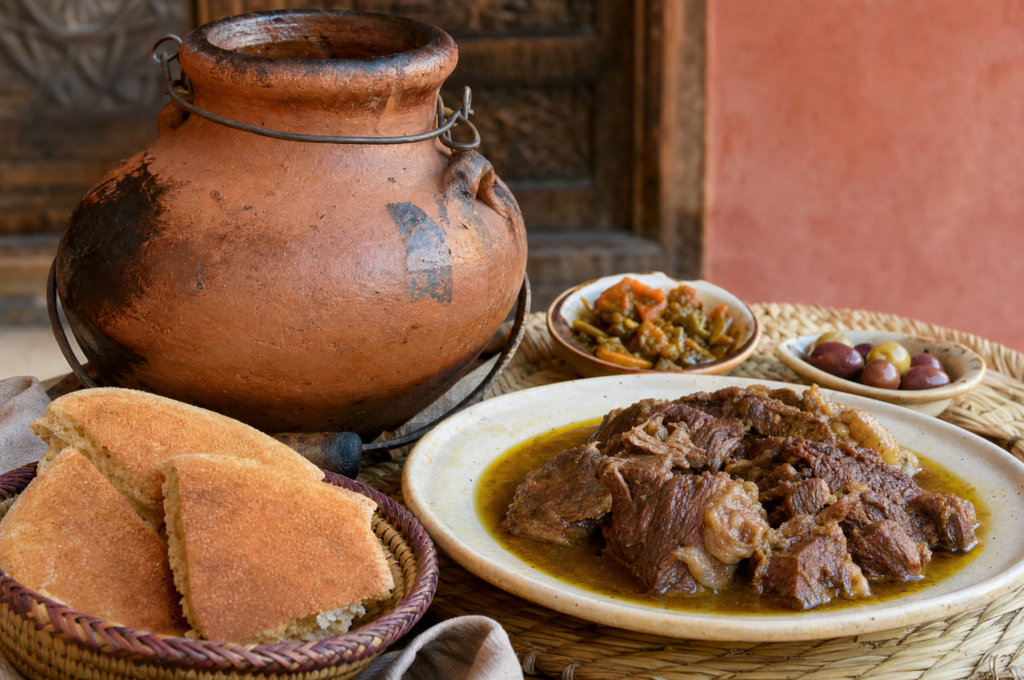
Moroccan cooking has regional variation, and Marrakech has a dish of its own to seek out: tanjia marrakchia. The regional tourism council describes tanjia as a signature dish of the city, with the name referring both to the food and its vessel. It is not simply another spelling of tagine. A tagine is a family of slow-cooked preparations named for the conical-lidded pot; the ingredients can be meat, fish or vegetables. Couscous, pastilla, harira soup, salads and small pastries give you other ways to sample Moroccan cooking without ordering the same meal repeatedly. Recipes and restaurant interpretations differ, so ask what a menu item contains.
Two useful medina menus
Le Jardin, Souk Sidi Abdelaziz: The restaurant’s site gives its address as 32 Souk Sidi Abdelaziz in the medina and links a current menu. That menu lists Marrakech-style beef tanjia, kefta tagine with egg, chicken pastilla, couscous with beef or chicken, and several vegetarian choices. This makes it a useful menu to review if you want to compare a regional specialty with familiar Moroccan dishes before you leave your riad. The address is in the souk lanes, so ask your lodging which gate and walking route make sense from your day’s location; a taxi cannot necessarily reach the restaurant door.
Le Jardin’s menu also names ingredients for several dishes, including almonds, dairy, seafood, egg and wheat. Use the menu to identify questions, not as a guarantee against cross-contact or an assurance that every listed item is available. If you have an allergy or strict dietary requirement, contact the restaurant directly and explain what must be avoided. The operator’s site has its own reservation and contact information; confirm whether the seating and booking arrangements work for your group.
NOMAD, near Rahba Kedima: NOMAD’s official contact page places it at 1 Derb Aarjane in the medina and describes the approach from Jemaa el-Fnaa via Semmarine toward the Spice Square, Café des Épices. It advises visitors arriving at Café des Épices to ask for NOMAD. Its current English menu lists Moroccan-spiced chicken with mint couscous, beef with prunes, slow-cooked lamb, sardine dishes, and vegetable mains such as braised aubergine. The menu marks some vegetarian, vegan and gluten-free options, but those symbols are not a medical guarantee; ask staff about ingredients and shared preparation if it matters.
NOMAD works best when you are already exploring the central souks or Rahba Kedima, rather than as a reason to cross town and return. The operator publishes contact, directions, a menu and a reservation page. Check these close to your date for current service, availability and any booking requirements. A rooftop or upper-level restaurant can mean stairs; confirm the route if anyone in your party needs step-free access.
Breakfast, snacks and a slower meal
For breakfast, look for Moroccan breads and pancakes such as msemen, harcha or baghrir, with tea, honey, olive oil or other accompaniments. Amlou is a nut-based spread traditionally made with almonds, argan oil and honey; ask before ordering if there is a nut allergy. Not every café serves every bread each day, and a hotel breakfast may be the easiest choice before an early timed ticket or transfer.
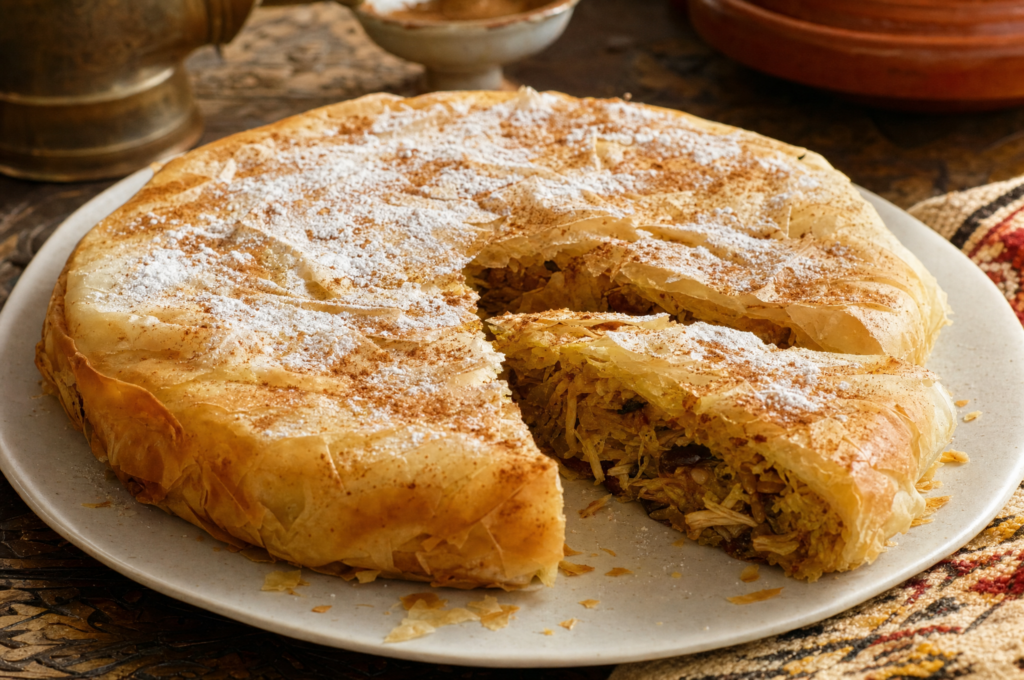
Harira is a hearty soup that can include legumes, tomato, herbs and other ingredients; recipes vary. Briouates are small filled pastries, while pastilla is a layered pastry with sweet-savory variations. Neither name guarantees a vegetarian filling. If you want a lighter pause, mint tea, fresh juice or Moroccan pastries can fit between sights, but take a seat away from busy pedestrian flows rather than carrying hot drinks through crowded lanes.
Jemaa el-Fnaa’s food stalls form part of the square’s evening life, but the selection and operation can vary. Treat them as a flexible choice after you have looked at the day’s offerings and decided what you are comfortable ordering. If you need consistent ingredient information, a restaurant with a published menu and direct contact details is easier to assess in advance. Do not assume stall prices, hours or dishes from an old photo or guide.
Three day plans by area
One day — historic medina: Start with breakfast near your lodging, then group one timed site with the souks and nearby lanes. Keep lunch in the medina rather than traveling to Guéliz for a single meal. Choose NOMAD if the Spice Square route matches your walk, or review Le Jardin’s menu if your visit is closer to Souk Sidi Abdelaziz. Return to the accommodation to rest during the hotter part of the day, then decide whether to eat near the riad or visit the square in the evening.
Two days — medina plus Guéliz: Give the first day to the old city and the second to Guéliz, Majorelle Garden or another modern-city stop that fits your interests. Use the garden’s own ticket channel for current time slots before arranging lunch. In Guéliz, choose a meal around your actual route instead of going back to the medina between appointments. If you return to the old city for dinner, allow time for the final walk from a vehicle-accessible point to your lodging.
Three days — add a deliberate contrast: Keep two days for separate medina clusters, then use the third for a relaxed Guéliz visit, a garden and museum combination, or a prearranged excursion beyond the city. Do not try to combine an Atlas or Ourika outing with a full medina sightseeing day; road time and the excursion operator’s schedule make that a separate plan. Keep at least one meal flexible, since heat, appetite, ticket windows and walking pace can change the day.
Getting between food stops
Marrakech Menara Airport’s official operator, ONDA, lists taxi and bus services between the city and airport. The airport bus can be useful if its stop and schedule fit your lodging, but verify the current operation and final leg before relying on it. For a medina riad, ask the host for the nearest vehicle-accessible gate, the exact meeting point, and whether luggage help or a transfer escort is arranged. Confirm where a transfer ends; narrow lanes may leave a walk with bags even when a vehicle transfer is booked.
For intercity train arrivals, check ONCF’s current schedule and ticket channel and then confirm the station-to-hotel leg. Guéliz and the railway station area are not the medina; a rail ticket does not solve the last mile to a riad. Within the city, use the current local bus information or a licensed taxi when it suits the route, and avoid planning a tight sequence around an unverified journey time. The operator’s Marrakech City Tour is a sightseeing product with its own routes, not a substitute for checking ordinary urban transit.
Before setting off, save the lodging’s address, host phone number and a gate or landmark in an offline note. Mobile maps can help orient you but may not explain the last turns through souks. If you are meeting a driver, agree on the precise side of a gate and do not assume the words “medina entrance” identify a single pickup point.
Ordering with dietary needs
Ask about meat stock, butter, nuts, sesame, eggs and seafood rather than inferring ingredients from a dish name. A vegetable couscous or tagine may use stock or shared utensils; a dish marked vegan on a menu may still need confirmation about preparation. For allergies, describe the ingredient and the risk from cross-contact, and choose another venue if staff cannot answer confidently. Families can share bread, salads and a main dish, but check spice, bones and serving size directly with the restaurant.
Menus and seasonal items change. The operator pages below are useful starting points, not guarantees about current stock, reservation availability or service on a particular date. Recheck the venue’s own information and confirm details directly when timing or dietary safety matters.
Official and operator sources
For regional context, read the Visit Marrakech pages on Marrakech gastronomy and tanjia marrakchia. Compare current dishes and contact information on Le Jardin’s menu and restaurant site, and the NOMAD English menu, directions and contact page, and reservation page. For transfers and timed stops, check ONDA’s airport taxi and bus page, ONCF, the ALSA Marrakech City Tour and Jardin Majorelle’s visitor site. Sources checked 28 September 2026; confirm menus, tickets and transport for your dates.
Check the official sources
Schedules, admission, fares and service can change. Recheck these for your travel dates.
- visitmarrakech.com (checked 2026-09-28)
- visitmarrakech.com (checked 2026-09-28)
- lejardinmarrakech.com (checked 2026-09-28)
- lejardinmarrakech.com (checked 2026-09-28)
- nomadmarrakech.com (checked 2026-09-28)
- nomadmarrakech.com (checked 2026-09-28)
- nomadmarrakech.com (checked 2026-09-28)
- onda.ma (checked 2026-09-28)
- oncf.ma (checked 2026-09-28)
- alsa.ma (checked 2026-09-28)
- jardinmajorelle.com (checked 2026-09-28)