
Food
A Munich Food Guide: Bavarian Classics, Beer Gardens and Market Stops
A first-visit food companion to Munich: a thoughtful guide to Bavarian dishes, six source-checked places, neighborhood eating and flexible one-, two- and three-day meal ideas.
How long is your visit?
Choose an itinerary, or read the full guide below.
Check the full guide for arrival, ticket, accessibility and booking details.
Munich’s food identity is strongly Bavarian, but it reaches beyond the familiar roast-and-beer image. A Wirtshaus (traditional inn), a market stall, a bakery, a seasonal beer garden and a contemporary kitchen each give a different view of how people eat here. Bavarian recipes vary between households and kitchens; dishes described below are things to look for rather than guaranteed daily offerings. Venues are public-information starting points checked against official tourism or operator sources, not rankings or accounts of personal visits. Menus, hours and booking terms can change, so check directly before setting out.
Bavarian dishes and flavors to look for
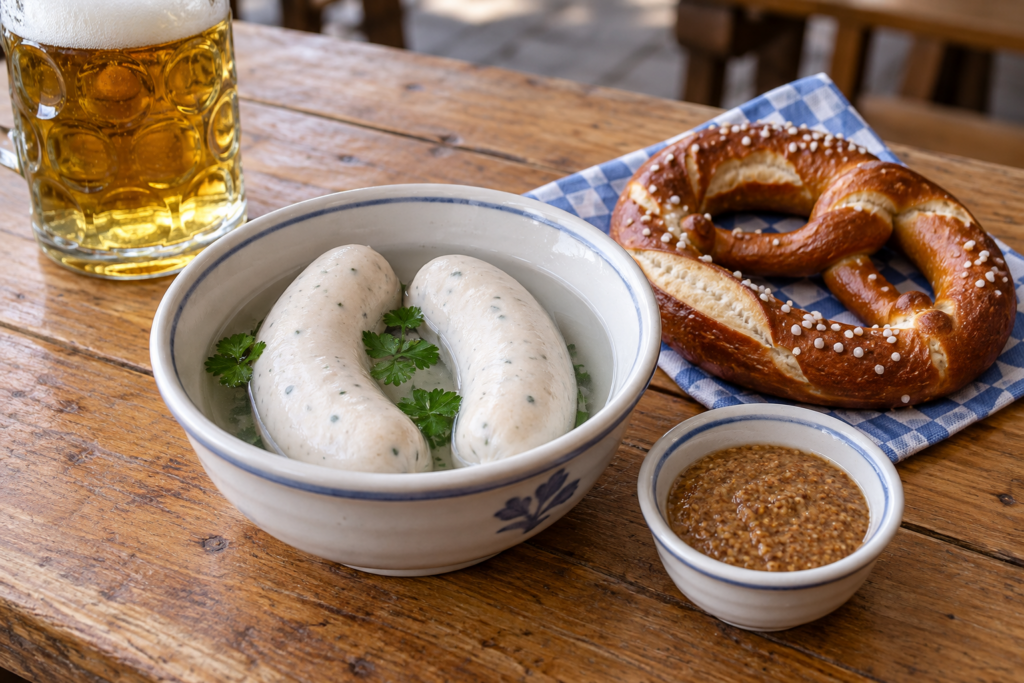
Weißwurst is a pale veal-and-pork sausage traditionally eaten as a late breakfast with sweet mustard, a pretzel (Brezn) and wheat beer. The familiar convention says it should be eaten before the noon bells, a custom that grew from the need to consume fresh sausage before refrigeration; it is now a tradition rather than a universal rule. Butchers use their own seasonings and methods. Some people peel the casing with knife and fork; others use the older technique called zuzeln. Follow the room’s lead, or simply use cutlery.
Schweinsbraten is roast pork, often served with gravy, dumplings and cabbage or salad. Schweinshaxe is a roasted pork knuckle with crisp skin, usually a hearty portion. Knödel are dumplings: bread-based Semmelknödel and potato-based Kartoffelknödel are common companions to roasts, while some kitchens serve cheese, spinach or beet variations as their own dish. Käsespätzle—soft egg noodles with cheese, often topped with onions—is a filling meat-free option when made without meat stock; confirm the preparation. The region’s food is not all meat: inns and beer gardens increasingly offer vegetarian plates, soups and seasonal vegetables, though range varies.
For a lighter meal, look for Brotzeit, a bread-and-snack spread that may include radishes, cheese, cold cuts or Obatzda (also spelled Obazda), a seasoned cheese spread commonly eaten with a pretzel. A Leberkässemmel is a warm slice of finely ground baked meat loaf in a roll; despite its name, Bavarian Leberkäse usually contains neither liver nor cheese. Auszogne (also called Knieküchle) is a fried dough pastry with a thin center and thicker rim, often dusted with sugar. Try it fresh from a bakery or market stall when available. Bavarian food reflects neighboring regions and changing seasons as well as local traditions; it is more varied than a fixed list of classics.
Six places to start
Hofbräuhaus München — Platzl / Old Town. The operator publishes current German and English menus, seasonal supplements, allergen information, an address and restaurant hours. This large, famous beer hall works for a first look at the classic Wirtshaus setting in the Old Town. Expect a busy public venue; check its current menu and kitchen closing time, and do not assume a seasonal menu item is available year-round. Official menus and hours.
Weißes Bräuhaus im Tal (Schneider Bräuhaus) — Tal / Old Town. The operator describes Bavarian cooking alongside Schneider Weisse beers and calls out its Weißwurst breakfast, served daily from 9 a.m. to noon with pretzel and sweet mustard. Its own description of Kronfleisch points to a less familiar Bavarian tradition using offal cuts; diners can ask what is on the current menu. The address is Tal 7 and reservations are linked from the site. Check current service details before you go. Official restaurant, food and drink, breakfast and reservation information.
Augustiner-Keller — near the Hauptbahnhof and Hackerbrücke. This large inn has indoor dining rooms and a substantial seasonal beer garden. The city tourism office describes its Bavarian cooking alongside lighter, international and vegetarian choices; the operator lists menus, rooms and current service information. It is convenient from the main station area and can suit groups looking for indoor or outdoor seating. Beer garden operation depends on weather and season; check the operator’s live information. Munich city visitor guide · Operator site and menus.
Wirtshaus in der Au — Au / Haidhausen. The operator presents a Bavarian kitchen with a focus on dumplings, publishes menus, and offers online reservations. Its address, Lilienstraße 51, is southeast of the central Old Town; pair a meal with time in Haidhausen or along the Isar rather than treating it as a quick stop between distant sights. The site lists different opening times on weekdays and weekends and holidays, so check the day-specific schedule. Official restaurant, menus, hours and booking.
Augustiner Klosterwirt — near Frauenkirche / Old Town. The operator publishes food and drink menus, a daily menu, contact details and reservation links. Its site lists daily opening from 9:30 a.m. and warm kitchen hours from 11:30 a.m. to 9:45 p.m. This is a central choice for a traditional inn meal near the cathedral; confirm the current menu and service schedule, especially on holidays and during special events. Official menus, hours and reservations.
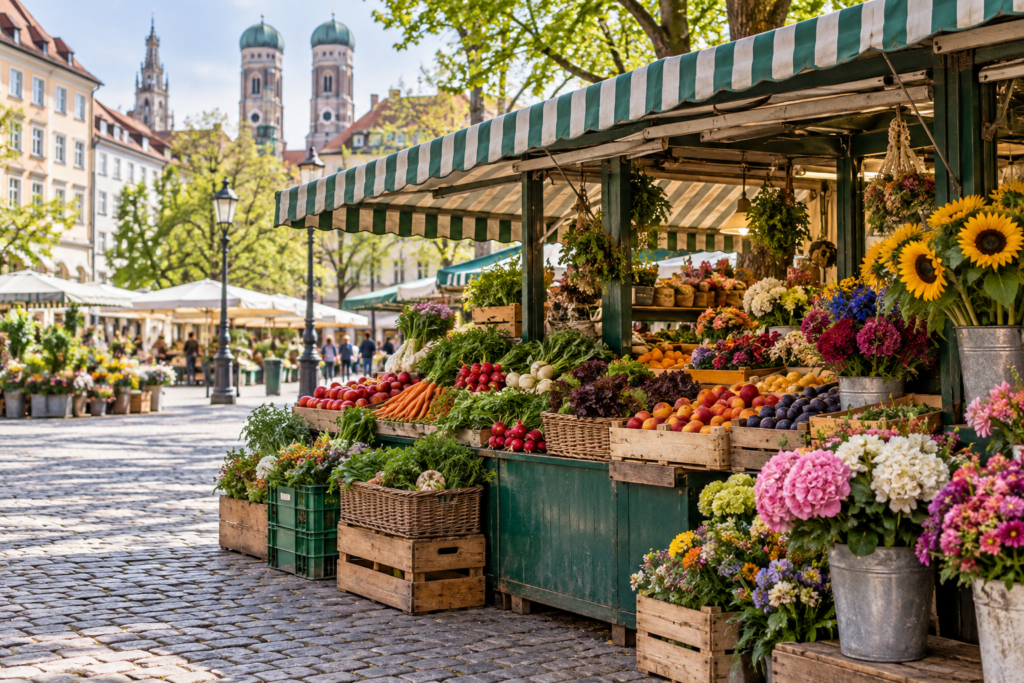
Viktualienmarkt and its beer garden — Old Town. This is a working food market with produce, delicatessen and takeaway stalls, plus a central self-service beer garden. Munich’s official visitor guide says the beer garden rotates among Munich’s major breweries about every six weeks and allows guests to bring food from the market or buy food at stalls. It is a flexible lunch stop rather than one restaurant: stall schedules vary, many stalls close Sundays, and the beer garden may close or change service with weather. Official Munich tourism market guide · Beer garden rules and current details.
Where to eat by area
Old Town, Marienplatz and Viktualienmarkt: convenient for a short stay and sightseeing. Browse market stalls for a pastry, pretzel, Leberkässemmel or produce, then choose a nearby inn for a sit-down meal. The Hofbräuhaus, Weißes Bräuhaus im Tal and Klosterwirt are central options with different menus and settings. Market stalls generally follow daytime trading hours and may be closed on Sundays or public holidays; confirm specific vendors.
Haidhausen and Au: east of the Old Town, these districts reward a slower neighborhood meal. Wirtshaus in der Au is a destination for a Bavarian inn dinner; Wiener Platz has a small daily food market with cafés nearby. Check market and restaurant schedules and give yourself time for the walk or transit between these areas and the center.
Hauptbahnhof, Arnulfstraße and Hackerbrücke: this area is handy around rail arrivals and departures, with Augustiner-Keller offering indoor rooms and a large beer garden when in season. It is also near the Theresienwiese grounds, where seasonal events can change crowds, reservations and transport. Build in extra time during major events.
Maxvorstadt and Schwabing: museum and university districts with cafés and a broad mix of everyday dining. They are useful areas for a coffee or lighter meal between museums, while the English Garden adds seasonal beer garden options. Food service, weather and hours differ by venue; choose based on the day’s route.
One, two or three food days
One day: start with coffee and a fresh pretzel or pastry. If you are curious about Weißwurst, make it a late breakfast and check whether the venue serves it during your visit. Browse Viktualienmarkt for lunch: build a Brotzeit from stalls or use the beer garden’s self-service setup. For dinner, choose one central inn such as the Weißes Bräuhaus im Tal, Hofbräuhaus or Klosterwirt, and order a roast with dumpling or a lighter dish that fits your appetite.
Two days: devote one day to the Old Town and market, with a market snack, a leisurely lunch and an evening meal at a Wirtshaus. On the second day, explore Haidhausen and Au or the museum districts. If choosing Au, reserve at Wirtshaus in der Au and check its weekend or holiday hours. Try contrasting formats—market food, café fare and a sit-down inn meal—rather than eating a large roast at every stop.
Three days: spread the classics across the stay. One morning can include Weißwurst breakfast; another meal can be a roast with Knödel; a lighter meal can be Brotzeit, market food, soup or a meat-free dumpling or noodle dish after checking ingredients. Use a beer garden when weather and season allow, and keep one meal flexible for a current daily special. If traveling during Oktoberfest or another large event, reserve early and expect heavier crowds around the grounds and transport routes.
Practical notes
German menus may distinguish opening hours from warm-kitchen hours; check both, along with the exact branch and reservation conditions. Beer gardens often have self-service counters, and some Munich beer gardens allow visitors to bring food while buying drinks there; check the individual venue’s rules. Markets have varied stall schedules. Seasonal menus and old PDF menus are snapshots, so confirm that a dish, price or service is current.
Bavarian cooking can include wheat, egg, milk, meat, fish, nuts, mustard and other allergens. A dish that sounds vegetarian may use meat stock, and shared equipment can create cross-contact. Ask staff directly about ingredients and preparation if you have allergies or dietary needs; an online menu is not a guarantee. Alcohol-free drinks and non-alcoholic beer may be listed, but availability varies.
Dish and venue details were checked against official Munich tourism, municipal and venue pages on 2026-09-27. Menus, prices, opening hours, seasonal service, booking terms and stall lineups can change. Reopen linked pages and contact the venue when a specific dish, access need or reservation condition matters. This draft uses public information and makes no claim of firsthand visits, ratings, rankings or guaranteed dietary accommodations.
Official Munich food and venue references
- Munich Tourism: Bavarian food, beer gardens, Weisswurst traditions and restaurant context
- Munich Tourism: city food culture and Viktualienmarkt
- Munich Tourism: Viktualienmarkt stalls, beer garden and market hours
- Munich Tourism: neighborhood orientation
- Hofbräuhaus: current menus, allergen information and opening schedule
- Weißes Bräuhaus im Tal: food, breakfast, reservations, address and hours
- Munich city visitor guide: Augustiner-Keller setting and food options
- Augustiner-Keller operator site
- Wirtshaus in der Au: menus, hours, address and reservations
- Augustiner Klosterwirt: food and drink menus, daily menu and hours
- Viktualienmarkt: beer garden service and rules
Check the official sources
Schedules, admission, fares and service can change. Recheck these for your travel dates.
- munich.travel (checked 2026-09-27)
- munich.travel (checked 2026-09-27)
- munich.travel (checked 2026-09-27)
- munich.travel (checked 2026-09-27)
- hofbraeuhaus.de (checked 2026-09-27)
- weisses-brauhaus-tal.de (checked 2026-09-27)
- muenchen.de (checked 2026-09-27)
- augustinerkeller.de (checked 2026-09-27)
- wirtshausinderau.de (checked 2026-09-27)
- augustiner-klosterwirt.de (checked 2026-09-27)
- viktualienmarkt-muenchen.de (checked 2026-09-27)