
Food
Rome on the Plate: A First-Visit Food Guide
Understand Rome's signature pasta and suppli, then choose five food stops by neighborhood, meal style and the day's route.
How long is your visit?
Choose an itinerary, or read the full guide below.
Check the full guide for arrival, ticket, accessibility and booking details.
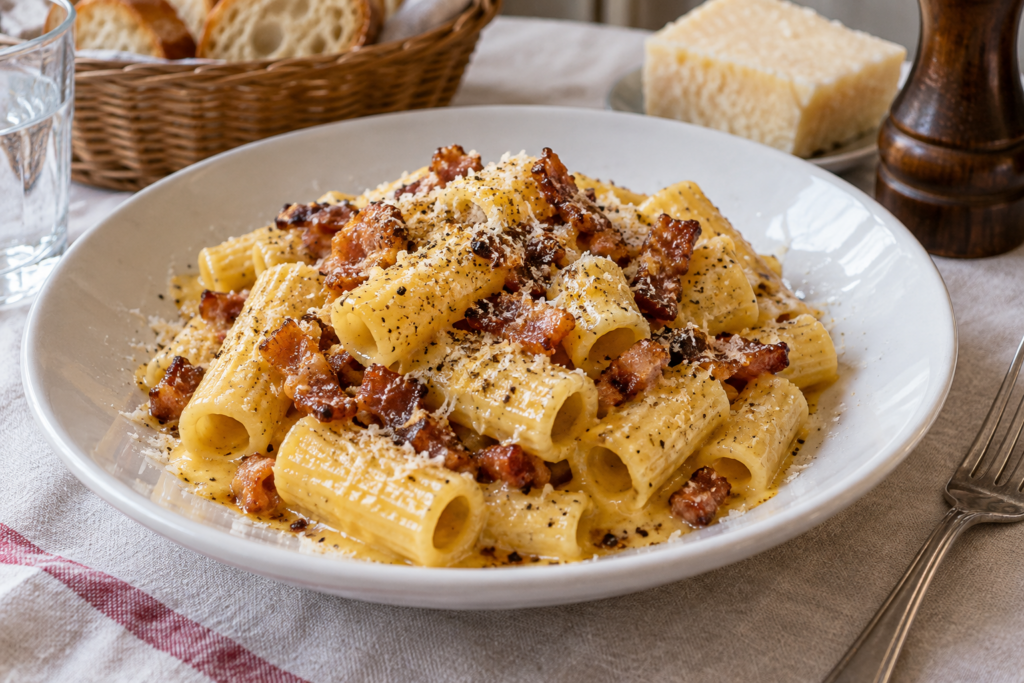
Rome is easiest to taste one plate at a time. The familiar Roman pasta names can blur together on a menu, but their differences are simple: carbonara combines egg, guanciale, Pecorino Romano and black pepper; gricia keeps the guanciale, cheese and pepper without egg or tomato; amatriciana adds tomato; cacio e pepe relies on cheese and black pepper. These dishes belong to a broader Lazio food tradition, and their histories do not begin and end at the city boundary. Use them as a way to compare recipes, not as a checklist to complete in one weekend.
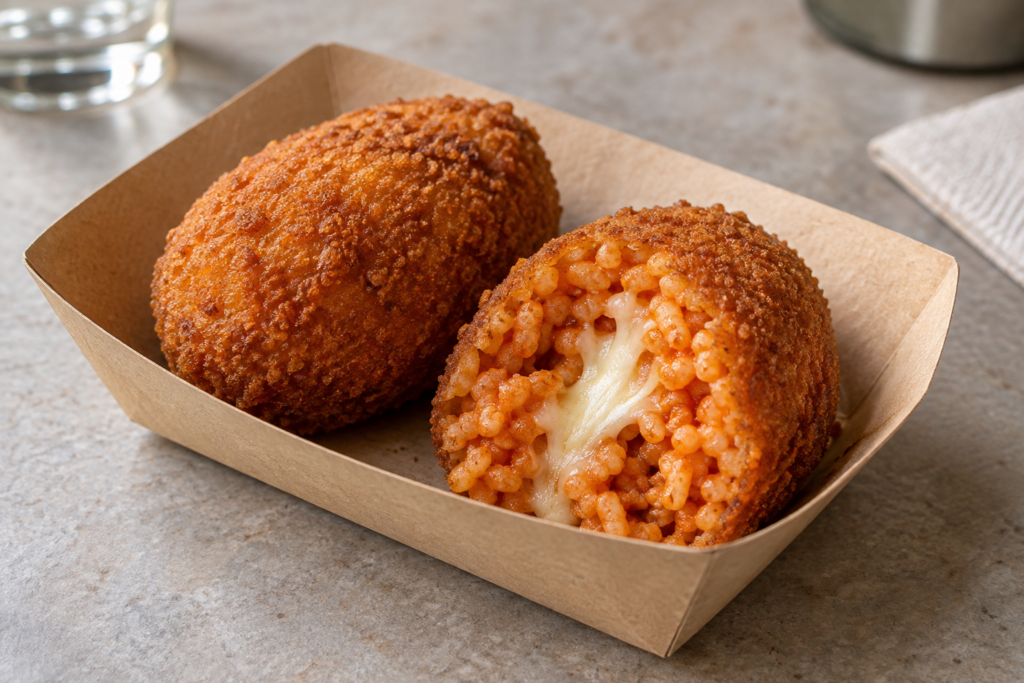
A supplì makes a different introduction: a fried rice snack, often with tomato and mozzarella in the classic form, that works between sights or before a meal. Roman tables also make room for lamb, offal and seasonal vegetables. Artichokes are especially associated with the cooler months, but the exact preparation and availability depend on the season and kitchen. Tourism Roma’s overview of Roman food traditions and its note on gricia are useful context; neither should be read as a guarantee of a particular dish on a future date.
Five food stops, chosen for different moments
Trattoria Da Enzo al 29 — Trastevere meal. At Via dei Vascellari, 29, the restaurant’s current official menu and visitor information list carbonara, gricia, amatriciana and cacio e pepe alongside Roman-style tripe, oxtail and artichoke when in season. Its site says it does not take reservations and seats guests first come, first served. This is a small trattoria in Trastevere, west of the Tiber: it fits an evening already planned in the neighborhood, while a return to Termini or Monti means crossing back toward the center. Open map search.
Salumeria Roscioli — deli and kitchen near Campo de’ Fiori. The official menu page describes its deli-with-kitchen format and provides a restaurant-menu link; the contact page supplies the location and booking route. The operator highlights the Roman quartet among the dishes that shaped its food identity. It is at Via dei Giubbonari, 21, between Campo de’ Fiori and Largo di Torre Argentina, a convenient fit with a historic-center walking day. Check the current menu and reserve through the restaurant’s own booking link if needed. Open map search.
Armando al Pantheon — central sit-down meal. Its official menu and contact page publishes separate lunch, dinner and dessert menus and gives the address, Salita de’ Crescenzi, 31. The same page directs guests to online reservations and states current service days and hours; check it directly before planning around a meal. Its Pantheon-area location makes it easy to combine with the central monuments, but the surrounding lanes can be busy and this address is less convenient for a spontaneous stop from outer districts. Open map search.
Felice a Testaccio — make a neighborhood outing of it. The official menu page gives the Rome restaurant address as Via Mastro Giorgio, 29 and distinguishes it from the separate “On the Go” branch near Piazza di Spagna. It describes seasonal daily proposals alongside Roman classics and links to booking. Testaccio lies south of the main historic-center cluster; plan it as its own food-focused excursion, perhaps pairing the meal with the neighborhood market area, rather than assuming it is a quick walk from the Pantheon. Open map search.
Supplizio — a snack between central sights. The operator’s official site lists its address as Via dei Banchi Vecchi, 143 and presents supplì in classic, cacio e pepe, amatriciana and other versions. This location is west of Campo de’ Fiori toward Via Giulia and Castel Sant’Angelo, useful for a quick bite while walking that side of the center. Verify today’s opening and selection with the venue. Open map search.
How to choose an area for meals
The Centro Storico around the Pantheon, Navona and Campo de’ Fiori suits a first visit focused on landmark walks and central dining. It is easy to build a day around nearby sights, but exact streets matter for evening noise, luggage access and transit; do not assume every hotel called “central” has simple rail connections. Monti and the Termini edge make a practical base for visitors mixing ancient Rome with train journeys, though the feel varies from quiet lanes to busy arterial roads. Trastevere puts restaurants and evening lanes close by, across the river from many Termini and Monti trips. Testaccio is a worthwhile food neighborhood but usually calls for a separate journey from the monument core. Prati, on the Vatican side, can suit a Vatican-heavy plan and offers a different street scale from the medieval center.
Before choosing a restaurant, pair it with the day’s geography: lunch near the sights already on your route, then avoid crossing town just to chase a dish. For public transport, check the current ATAC maps and route information against the exact address and service date. Map searches here identify addresses; they do not promise a walking route, travel time, open table or step-free access.
Order with curiosity, keep plans flexible
If you are sharing meals over several days, try one pasta preparation at a time and compare its balance of pepper, cheese, pork and tomato. Ask what seasonal vegetables are available rather than assuming artichokes are on every menu. Supplì can be a snack rather than another full meal. Menus may include local specialties beyond the famous pasta dishes, including offal; ask staff about ingredients and preparation if you have dietary restrictions. A menu description cannot establish allergen safety, so communicate directly with the restaurant.
These five places are examples across different neighborhoods and dining situations, not a ranking or endorsement. Check official menus, opening hours, booking policies and addresses close to your visit. The Da Enzo site currently states no reservations; Roscioli and Armando provide booking routes; Felice links its reservation system. Policies can change, so rely on the operator’s current instructions. This guide is based on published sources checked 2026-09-26; it contains no firsthand visit claims, prices or ratings.
Sources to recheck
Check the official sources
Schedules, admission, fares and service can change. Recheck these for your travel dates.
- turismoroma.it (checked 2026-09-26)
- turismoroma.it (checked 2026-09-26)
- daenzoal29.com (checked 2026-09-26)
- salumeriaroscioli.com (checked 2026-09-26)
- salumeriaroscioli.com (checked 2026-09-26)
- armandoalpantheon.it (checked 2026-09-26)
- feliceatestaccio.com (checked 2026-09-26)
- supplizioroma.it (checked 2026-09-26)
- atac.roma.it (checked 2026-09-26)