
Food
Santiago & Atacama Food Guide: Chilean Tables from Market to Desert
Find seafood and classic Chilean plates in Santiago, then look for northern ingredients and current menus in San Pedro de Atacama, with meals grouped around realistic travel days.
How long is your visit?
Choose an itinerary, or read the full guide below.
Check the full guide for arrival, ticket, accessibility and booking details.
Eat across two different parts of Chile
Santiago and San Pedro de Atacama are not one continuous dining district. The capital has a broad central Chilean table and seafood market culture; San Pedro is a small desert town where menus may draw on highland ingredients and Lickanantay food traditions. You can taste both on one trip, but allow a flight and road-transfer stage between them. Plan meals around the places you will already be staying and visiting, then verify the exact menu and service with the venue.
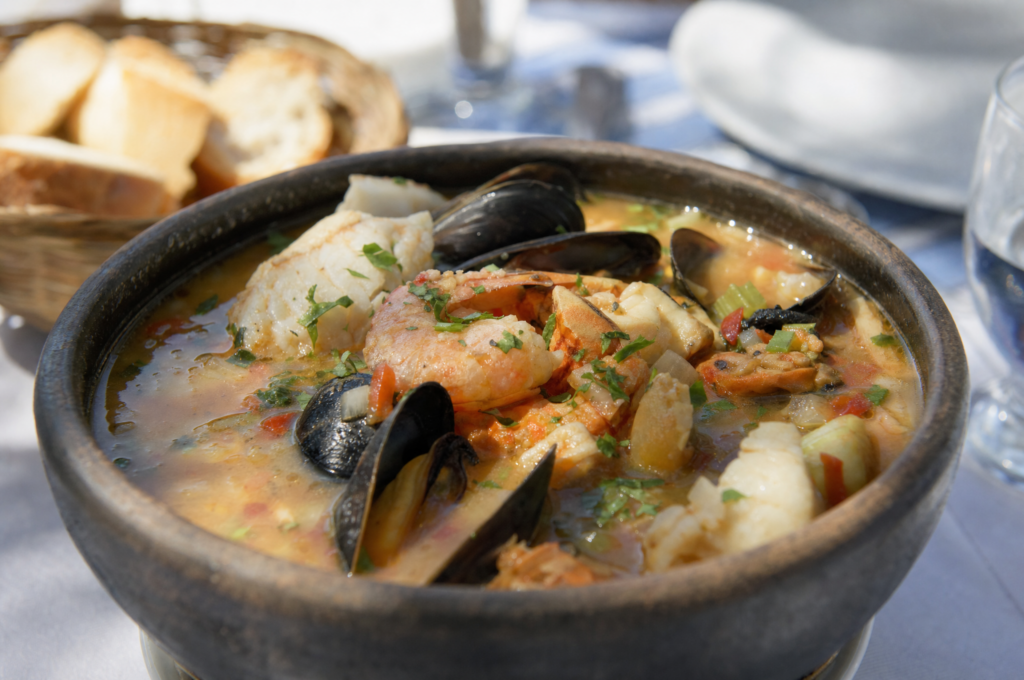
In Santiago, start with one familiar Chilean dish and one market meal. Chile Travel’s regional gastronomy feature names staples such as empanadas and humitas alongside Atacama foods including patasca, chañar and rica-rica. In the historic center, Marco Polo Fuente de Soda is listed on the west side of Plaza de Armas and the municipal tourism page highlights pastel de choclo, cazuelas, merluza and sandwiches. For a market-table meal, Pailas Blanca at Mercado Central is listed at Local 121 and its city tourism listing names paila marina, ceviche, pastel de jaiba and shrimp-and-cheese empanadas. These municipal listings are useful menu leads; recheck the venue’s current service before making a special trip.
El Ancestral, also listed at San Pablo 943 inside the Central Market, offers another style of market cooking. Santiago Turismo lists an artisanal prieta empanada, roast pork croquettes, braised pork belly and traditional sweets. It is useful when you want a longer, composed lunch rather than a quick snack. Because market stalls and restaurants do not all share one operator or menu, use the named listing and venue’s own current contact page to confirm what is being served.
What to look for in San Pedro
In the Atacama section, think in terms of ingredients and preparations to ask about, not dishes guaranteed at every restaurant. Chile Travel highlights patasca, chañar, purple potatoes from Socaire and rica-rica as regional food references. A listed local dish may be seasonal or absent from an individual menu. Ask whether the restaurant has a current preparation, how it is made, and whether the menu description fits your dietary requirements; an ingredient name by itself is not an allergy assurance.
La Casona’s live menu is a practical first-party place to compare options in San Pedro: it labels a “Pa’ Chile Voy” section with pastel de choclo and cazuela, lists a quinoa-and-mote “Trigotto de Camarones,” and includes a salad with rica-rica. The menu also separates vegetarian and vegan choices, but that category does not establish how any dish is prepared or prevent cross-contact. Contact the restaurant directly about current availability and ingredient needs. Its published address is Caracoles 195, useful for orientation within the town.
Casa Paniri at NOI Casa Atacama describes Chilean and international dining and publishes service windows; the operator’s page includes an image of a quinoa salad. Treat that as a useful menu cue rather than a guarantee that the dish is offered on your date. If an excursion has an early pickup, confirm whether breakfast or a packed meal is available at the time you need it. A hotel restaurant can simplify a return evening, while a town restaurant gives you more options if you are staying near the center.
Group meals by the place you are exploring
In Santiago, put Marco Polo with the Plaza de Armas and central historic quarter; keep the Mercado Central venues together as an alternative lunch choice rather than adding every market to the same short day. Lastarria and Bellas Artes form another useful dining cluster with museums and cafés nearby. The city’s tourism office describes the area’s cultural sites and restaurants in its Lastarria–Bellas Artes overview. Providencia has another spread of restaurants, but there is no reason to cross town just to repeat the same menu category.
In San Pedro, keep dinner close to your lodging or excursion drop-off. Remote reserve sectors are not meal districts and should not be treated as an opportunity to improvise a picnic or stop: access, food consumption rules and local community conditions differ by site. CONAF points visitors to sector-specific entry information and asks them to use designated sites. Verify the particular sector and operator conditions through CONAF and Pases Parques before planning a food stop outside town.
One, two or three days of meals
One day in Santiago: Keep lunch in the historic center. Choose Marco Polo for pastel de choclo or a cazuela near the Plaza de Armas, or Pailas Blanca for a seafood meal at Mercado Central. Save a later café or dinner for Lastarria if your day naturally moves that way. These are alternatives, not a cross-city checklist. On an arrival day, keep the meal plan flexible until you know when you reach your hotel.
Two days in Santiago: Use one day for Plaza de Armas and the market area; on the other, choose Lastarria/Bellas Artes or Providencia based on your cultural plans and lodging base. If you want a more distinctive market menu, El Ancestral’s listed dishes are a different choice from the seafood-focused Pailas Blanca. Check current menus and opening calendars; don’t assume both will fit into the same lunch window.
Three days across Santiago and Atacama: Give the first day to one Santiago neighborhood cluster, use a separate calendar day for the SCL–Calama–San Pedro transfer and a simple meal near the destination lodging, then use a full San Pedro day for one confirmed excursion and a local dinner. A flight and road transfer are not a food-tour day. If your third day is also a departure, confirm transfer and flight timing before reserving a restaurant.
Dietary questions and changing menus
Use linked official tourism listings to identify venues and current first-party menus to choose a dish. The Santiago tourism pages list representative dishes and addresses, while La Casona and NOI describe their own dining options. Ask restaurants directly about current ingredients, cooking fats, gluten, dairy, meat stock, seafood substitutions and cross-contact. Do not rely on a translation, an old menu image or a broad “vegetarian” label for an allergy decision. Reconfirm service hours, reservation requirements and payment methods close to your visit; no quoted schedule or listed dish guarantees availability.
Chile’s local dishes are easiest to appreciate when a meal complements a place, not when it dictates a long transfer. Try a market seafood dish in Santiago, reserve time for a Chilean comfort-food plate, and look for northern ingredients in San Pedro’s current menus. Keep the locations separate, and let current official pages and the venue answer what is actually open and served.
Check the official sources
Schedules, admission, fares and service can change. Recheck these for your travel dates.
- chile.travel (checked 2026-09-28)
- santiagoturismo.cl (checked 2026-09-28)
- santiagoturismo.cl (checked 2026-09-28)
- santiagoturismo.cl (checked 2026-09-28)
- lacasonarestaurant.cl (checked 2026-09-28)
- noihotels.com (checked 2026-09-28)
- conaf.cl (checked 2026-09-28)
- pasesparques.cl (checked 2026-09-28)