
Food
Seoul Food Guide: Korean Dishes, Market Eats and Where to Try Them
Plan Seoul meals around kalguksu, samgyetang and market specialties, with direct restaurant links and practical neighborhood-based food routes.
How long is your visit?
Choose an itinerary, or read the full guide below.
Check the full guide for arrival, ticket, accessibility and booking details.
Seoul is a city where a meal can be a destination or a useful pause between neighborhoods. For a first visit, choose food by geography: a noodle lunch in Myeongdong, market snacks near Jongno 5-ga, or a planned chicken-soup meal beside Gyeongbokgung. Menus, service arrangements and opening information can change, so use the live venue or official tourism links below for your date. These examples identify dishes and locations, not guaranteed inventory or a personal restaurant review.
Start with Seoul comfort dishes
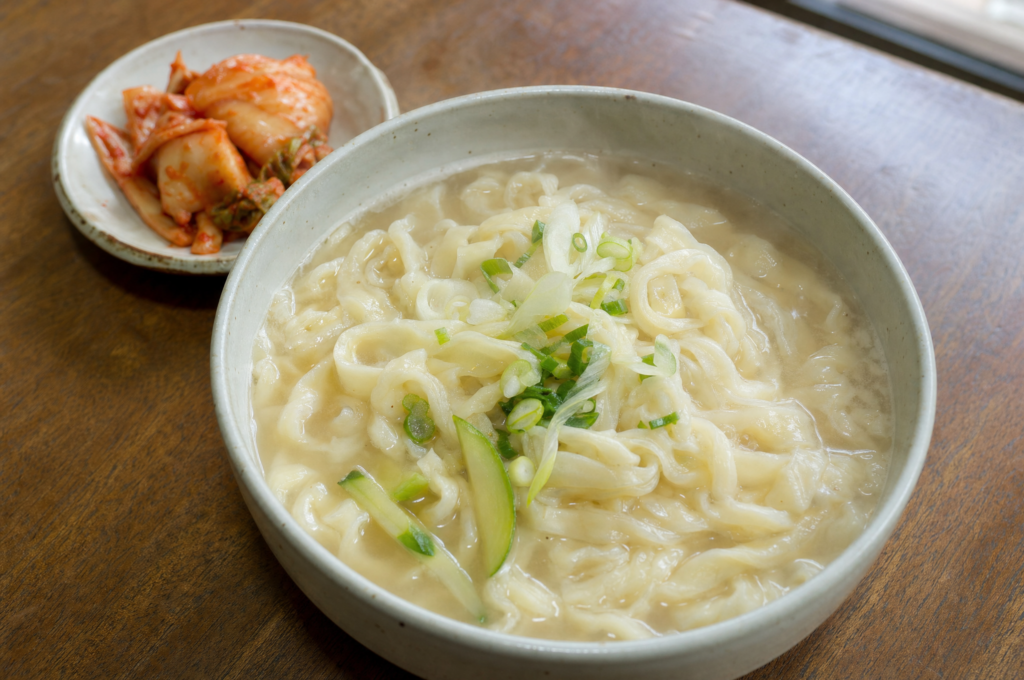
Kalguksu means knife-cut noodle soup: broad noodles in a hot broth, with recipes and accompaniments varying by kitchen. Visit Seoul’s Myeongdong Kyoja profile describes its fresh-made noodles and chicken broth; the Korea Tourism Organization’s listing identifies kalguksu as a specialty and also names mandu and bibim guksu. Both locate the restaurant at 29 Myeongdong 10-gil. It is a convenient choice when your day already includes Myeongdong, rather than a reason to cross town. For the restaurant’s own current information, follow the official site identified by the Korea Tourism Organization at mdkj.co.kr. The direct page may not load in every browser; use the linked KTO or Seoul tourism profile if it does not. Do not assume every menu item is available at every service.
Another classic is samgyetang, a whole young chicken simmered with ginseng and other ingredients. The Korea Tourism Organization’s Tosokchon Samgyetang profile identifies the restaurant near Gyeongbokgung Palace, gives its address as 5 Jahamun-ro 5-gil, and describes its specialty and other chicken dishes. This makes it a natural meal after a palace-area walk. The KTO page is a verified listing and identifies Tosokchon’s official website for its own current information. If that page does not load, use the linked KTO profile or contact the restaurant directly; the KTO listing is not a guarantee that a dish is being served today. Chicken broth can include ingredients that matter for allergies or dietary restrictions; ask staff directly rather than inferring from a translated dish name.
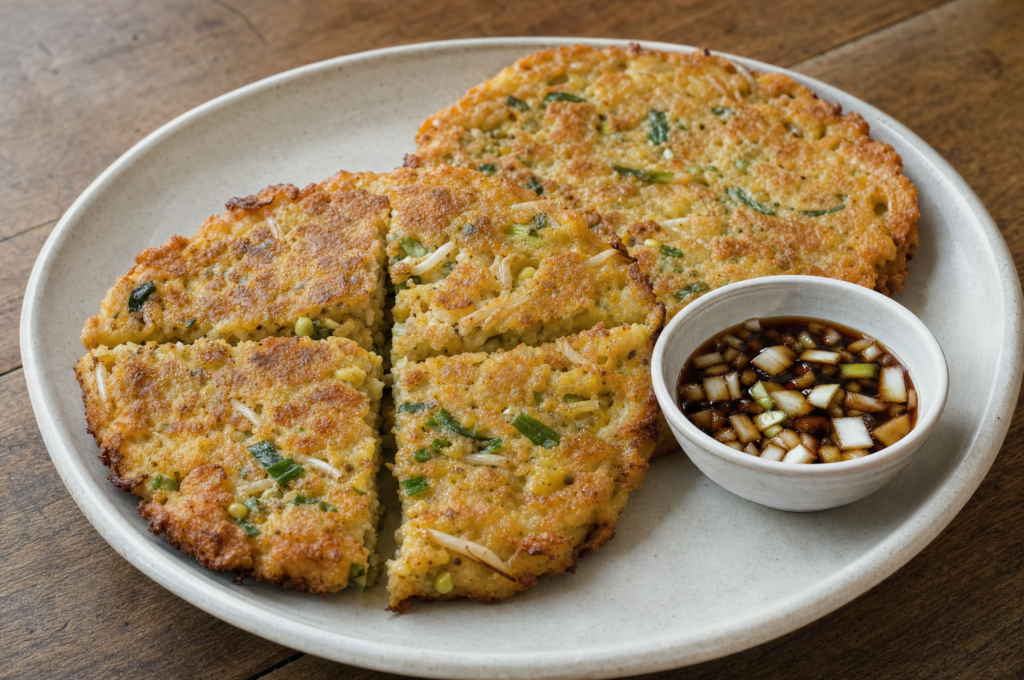
For a market-style tasting, Gwangjang Market is known for bindaetteok (mung-bean pancake), mayak gimbap and yukhoe (seasoned raw beef). The Seoul Metropolitan Government market page provides its address, 88 Changgyeonggung-ro, and points to Jongno 5-ga Station. The city’s Visit Seoul food-alley guide describes the dishes: bindaetteok is a fried mung-bean pancake, mayak gimbap is small seaweed-wrapped rice rolls, and yukhoe is raw beef. Market vendors are independent; that does not mean every stall offers every item or that current handling, ingredients or hours are uniform. If raw meat is not right for your party, choose a cooked dish and ask the stall what is in it.
Namdaemun Kalguksu Alley offers a second noodle-area option. The city tourism guide’s current Namdaemun profile describes thick kalguksu noodles with broth, tofu, seaweed powder and sesame, at 42-1 Namdaemun Market 4-gil near Hoehyeon Station. The description is an area overview, not a guarantee of a uniform recipe across its shops. This is handy when you are already at Namdaemun Market or around Seoul Station; avoid scheduling it as a cross-city detour on a short layover.
Make meals fit the day
For a one-day introduction, keep the food route compact: have a Myeongdong kalguksu lunch, spend the afternoon in the central historic district, then choose a nearby dinner after checking the venue directly. If you prefer market food, make Gwangjang the main lunch and allow time to browse rather than trying to fit two substantial meals back-to-back. A market is a collection of stalls, not a single restaurant; take a moment to see what is actually being served and how seating and payment work before ordering.
With two days, give one day to the Myeongdong–Jongno center and another to Gyeongbokgung and the surrounding neighborhoods. Tosokchon is close to the palace area according to the KTO listing, so it can anchor a meal without requiring a separate cross-town journey. Place a market visit near the day you are already exploring Jongno or Dongdaemun. On a third day, choose a district farther from the center—such as Mapo or Hongdae—and pick a meal from that neighborhood’s current official tourism or operator listings rather than returning to the same central food corridor.
Time meals around walking, queues and your group’s stamina. Gwangjang’s passages and food counters can be busy; children may find it easier to share a few small portions at a quieter moment than to navigate with luggage or a stroller. Keep a meeting point in mind if your group splits up. For allergies, religious dietary rules or strict vegetarian needs, contact a named restaurant in advance and ask about broth, sauces, shared cooking surfaces and cross-contact. Korean dish names alone do not reliably disclose all ingredients.
Getting between food neighborhoods
The Seoul Metropolitan Government public-transport guide explains the city’s subway and bus network, while its route-map page links to official network maps. Use a current map and live service information on the day; allow for transfers and the walk from a station exit to a venue. Market addresses and station exits in official profiles are useful orientation, not a promise of a level sidewalk or step-free route.
For an airport connection, compare the city’s Incheon Airport-to-Seoul modes guide with the live operator timetable. It describes AREX, airport limousine buses and taxis, with routes serving different Seoul areas. The airport bus operator timetable warns that schedules change; check the precise stop and departure for your hotel and travel date. With children or several bags, a bus may reduce transfers but depends on the correct stop and traffic; rail can be easier to track but may involve station transfers and longer walks. For the return trip, work backward from your flight, check the same operators again, and add a traffic or transfer buffer rather than relying on an old timetable.
Food notes for families and access planning
Before choosing a meal, check whether a place offers seating that suits your party and whether its entrance and restroom meet your needs. The Seoul government’s station accessibility table lists elevators and other facilities by station. It is a station-level reference, not certification of a complete door-to-door route: verify the exact entrance, platform connection, exit and onward pavement, and contact the restaurant about its own layout. Market surfaces, crowds and narrow aisles can make a route harder than the map suggests.
For families, split tasting portions and keep one familiar fallback meal in mind. At a traditional market, counters may have limited room for a stroller; take turns ordering or leave bulky bags with a caregiver if safe. For an early arrival or a late flight, pick food close to your hotel or transfer point and check whether the relevant venue is actually serving at that hour. Never build a tight departure around a restaurant queue. Use official venue pages for current information, confirm directly when a specific dish is the reason for the visit, and treat the plans here as flexible neighborhood-based choices.
Check the official sources
Schedules, admission, fares and service can change. Recheck these for your travel dates.
- english.visitseoul.net (checked 2026-09-28)
- english.visitkorea.or.kr (checked 2026-09-28)
- english.seoul.go.kr (checked 2026-09-28)
- english.visitseoul.net (checked 2026-09-28)
- english.visitseoul.net (checked 2026-09-28)
- english.seoul.go.kr (checked 2026-09-28)
- english.seoul.go.kr (checked 2026-09-28)
- english.seoul.go.kr (checked 2026-09-28)
- airportbus.or.kr (checked 2026-09-28)
- english.seoul.go.kr (checked 2026-09-28)
- mdkj.co.kr (checked 2026-09-28)
- tosokchon.co.kr (checked 2026-09-28)