
Food
What to Eat in Taipei: Beef Noodles, Night-Market Snacks and Taiwanese Table Dishes
Plan Taipei meals around beef noodles, Taiwanese shared dishes and night-market snacks, with current official menus, booking links and a practical one-to-three-day food itinerary.
How long is your visit?
Choose an itinerary, or read the full guide below.
Check the full guide for arrival, ticket, accessibility and booking details.
Taipei is a city where a memorable meal may be a bowl of beef noodles at lunch, a shared table of Taiwanese dishes in the evening, or a few small bites chosen from a night market. The most useful plan is geographical: pick food that fits the neighborhood you are already visiting, leave room for changing menus and queues, and check the operator’s current information before making a restaurant the fixed point of your day.
Start with a few Taipei flavors
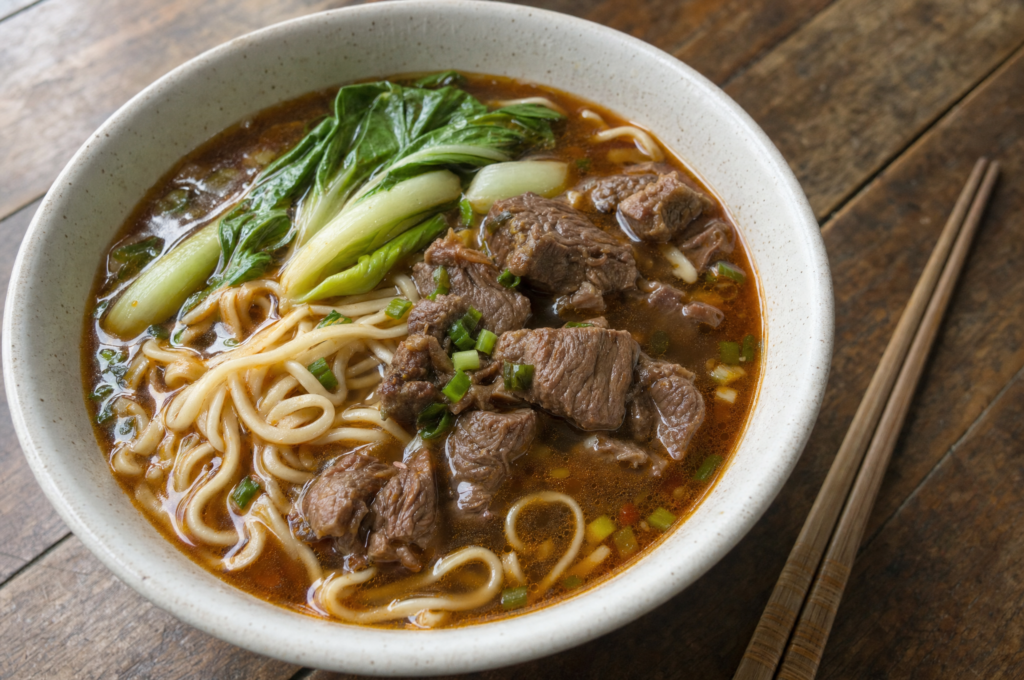
Beef noodle soup is a good first meal because it shows how much variation can sit under one name. Taipei’s tourism food guide describes versions with clear broth, soy-braised broth, tomato, scallion and spice. Beef, noodles and broth are not standardized across restaurants, so choose by the style you like and ask directly about ingredients if you avoid particular foods. A hearty bowl can be a convenient arrival meal, but it is not necessarily a light one.
Lu rou fan, often rendered as braised pork rice, is a compact everyday dish: rice topped with slow-cooked pork. It is an easy contrast to a large beef noodle bowl and appears in many kinds of local eateries. Recipes and accompaniments differ, so look at the shop’s own menu rather than assuming one version represents the city.
Xiaolongbao are delicate soup-filled dumplings now closely associated with dining in Taiwan. Taipei’s city guide notes their Jiangnan roots and their continuation in Taiwanese restaurant culture; call them a Taipei favorite, not a dish invented here. Their thin wrappers and hot broth reward patience: let a dumpling cool and use the serving method recommended by the restaurant. Ask about fillings and sauces if anyone in your party has dietary restrictions.
For a broader shared meal, look for Taiwanese table dishes—vegetables, seafood, pork, eggs, soups and rice ordered for the table. Restaurant menus can mix familiar ingredients with shellfish, dried seafood, soy, sesame, alcohol or meat stock. Do not infer vegetarian or allergy suitability from a dish’s English name or appearance; contact the venue with specific questions before booking.
Two useful restaurant anchors
Tien Hsia San Chueh (Noodle 3) is a Da’an-area option if beef noodles are the meal you want to plan around. The operator’s English website provides its address, current restaurant information and links to its menu and reservation service. Check the restaurant’s official page and its current menu PDF before setting expectations: a published menu is a useful snapshot, not a promise that every item will be available on your date. The location can fit a day around Da’an or Yongkang Street better than an itinerary concentrated in the far west of town. Use the operator’s booking link if your party needs to reserve, and allow time to reach the restaurant from the station or previous stop.
Shin Yeh Original Restaurant gives a different view of Taiwanese cooking through a sit-down menu of shared dishes. Its official English menu lists examples such as eggs with dried turnip, soy-braised pork, squid soup with bamboo shoots and other seasonal or seafood-containing preparations. The current menu is the place to compare formats and ingredients; the store page identifies the Original location on Shuang Chung Street and links to reservations. The operator asks guests to make reservations in advance and provides an online booking route. For allergies, the restaurant’s own information requests advance notice; describe the restriction directly and confirm what the kitchen can accommodate rather than relying on a general menu label.
These are planning examples, not a ranking. Noodle 3 is a focused beef-noodle stop in Da’an; Shin Yeh is a broader meal in the Zhongshan area. Their official menus and booking paths help you decide whether the meal suits your group. Hours, menus and reservation arrangements can change, so reconfirm for your dates.
Use a night market as a tasting route
Raohe Street Tourist Night Market is one sensible place to sample small bites on a flexible evening. Taipei’s official visitor listing places it along Raohe Street near Songshan and highlights foods including pepper meat buns, oyster vermicelli, herbal-rib soup, duck and stinky tofu. Treat those as examples associated with the market, not a guarantee that a specific stall will operate or have a particular dish when you arrive. The market is a line of separate vendors rather than one restaurant with a shared menu. Check the Taipei City listing for Raohe Street Tourist Night Market and decide on the visit based on your evening location and current transit.
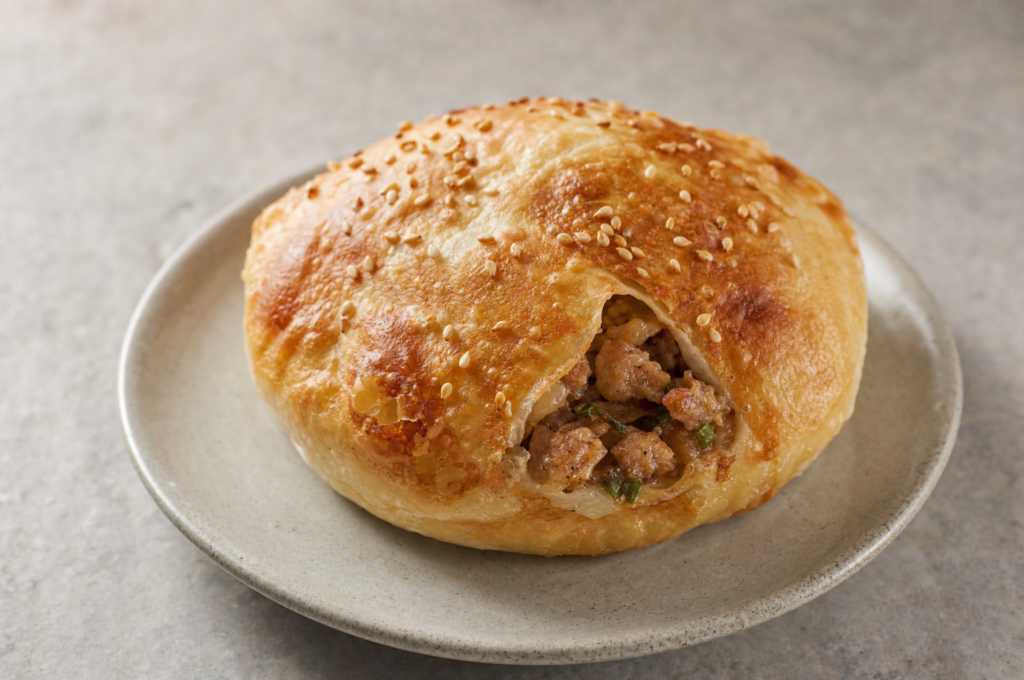
A pepper bun is a practical first taste if you want something savory and handheld; oyster vermicelli gives you a softer, soup-based contrast. Stinky tofu is strongly aromatic and fermented, so it may be a love-it-or-skip-it choice for a mixed group. Ask the vendor about ingredients and preparation if food restrictions matter. Market crowds and individual stalls make a spontaneous browse more realistic than promising a fully accessible, seated or allergy-controlled meal. Choose one market for an evening rather than trying to cross the city for several.
A one-day food plan: Da’an and an evening market
Keep the day to one side of the city until dinner. Explore Da’an and nearby Yongkang Street at a comfortable pace, then make Noodle 3 the planned lunch only after checking its current menu and booking details. Leave a flexible afternoon for cafés or a return to your accommodation. In the evening, decide whether Raohe fits your energy and route; it lies in Songshan, so it is a separate transit leg rather than a walk from the Da’an restaurant. Check Taipei Metro’s official first- and last-train information before staying out late, and keep a backup return option in mind.
Two days: add a shared Taiwanese meal
Use day one for the Da’an/Yongkang corridor and a noodle meal. On day two, spend your daytime hours around Zhongshan or another central neighborhood, then reserve Shin Yeh Original if its current menu works for the group. A night-market visit can follow only if the restaurant timing and your appetite make that realistic; otherwise save Raohe for a separate evening or choose a nearby browse. Avoid treating a formal sit-down meal and a long market crawl as mandatory consecutive stops. Taipei’s districts are connected by transit, but station transfers and walking still consume time.
Three days: give the west its own day
On a third day, choose Ximending and Wanhua for a distinct urban-food browse. Taipei’s tourism guide describes Ximending as a shopping and entertainment district near Taipei Main Station, with a range of casual food and tea shops. Use it for an unhurried lunch or snacks from current venues you find on the day, rather than inventing a reservation anchor or racing back across town. Keep the day’s evening open: repeat a favorite meal, return to a market whose operator listing you checked, or choose a restaurant near your lodging.
Dietary needs, families and practical timing
For children or groups with different appetites, a mix of one planned restaurant meal and one flexible snack stop is often easier than several fixed bookings. Hot soup and freshly cooked dumplings can be very hot; allow them to cool. Night markets are busy, with narrow pedestrian space and uneven crowd flow, so set a meeting point and keep small children close. Ask each restaurant or vendor about ingredients, cross-contact and whether they can handle a specific allergy. Shin Yeh’s booking information specifically invites advance allergy notice, but no general page can guarantee that a kitchen can meet every need.
Use venue websites to confirm menus, reservation conditions and current operating details shortly before visiting. The city’s public-transit information says Taipei Metro stations do not allow eating or smoking in station areas; finish food before entering. For later dinners, check the exact return route and last train rather than assuming the network runs all night. A taxi or other alternative may be preferable if service timing, mobility or fatigue makes a transfer difficult, but arrange it using current local information.
Official references to check before you go
- Taipei City food guide — local dish descriptions and context.
- Noodle 3 official restaurant information and its current menu.
- Shin Yeh official menu, store and location, and reservation page.
- Taipei City information for Raohe Street Tourist Night Market.
- Taipei Metro travel information and first/last train information.
Check the official sources
Schedules, admission, fares and service can change. Recheck these for your travel dates.
- travel.taipei (checked 2026-09-28)
- noodle3.com.tw (checked 2026-09-28)
- noodle3.com.tw (checked 2026-09-28)
- shinyeh.com.tw (checked 2026-09-28)
- travel.taipei (checked 2026-09-28)
- travel.taipei (checked 2026-09-28)