
Food
A Tokyo Food Guide: Monjayaki, Fukagawa-meshi, Sushi and More
A first-visit food companion to Tokyo, with local dishes, neighborhood context, seven source-checked venue examples, and flexible one-, two- and three-day ideas.
How long is your visit?
Choose an itinerary, or read the full guide below.
Check the full guide for arrival, ticket, accessibility and booking details.
Tokyo’s food scene ranges from quick noodle counters and neighborhood specialties to carefully paced seasonal tasting menus. This guide pairs dishes with areas where they make sense, then offers a few official-source-checked venue starting points across different budgets. Menus, hours, prices, booking rules and queues change; confirm details with the venue before building a day around a meal.
What to try
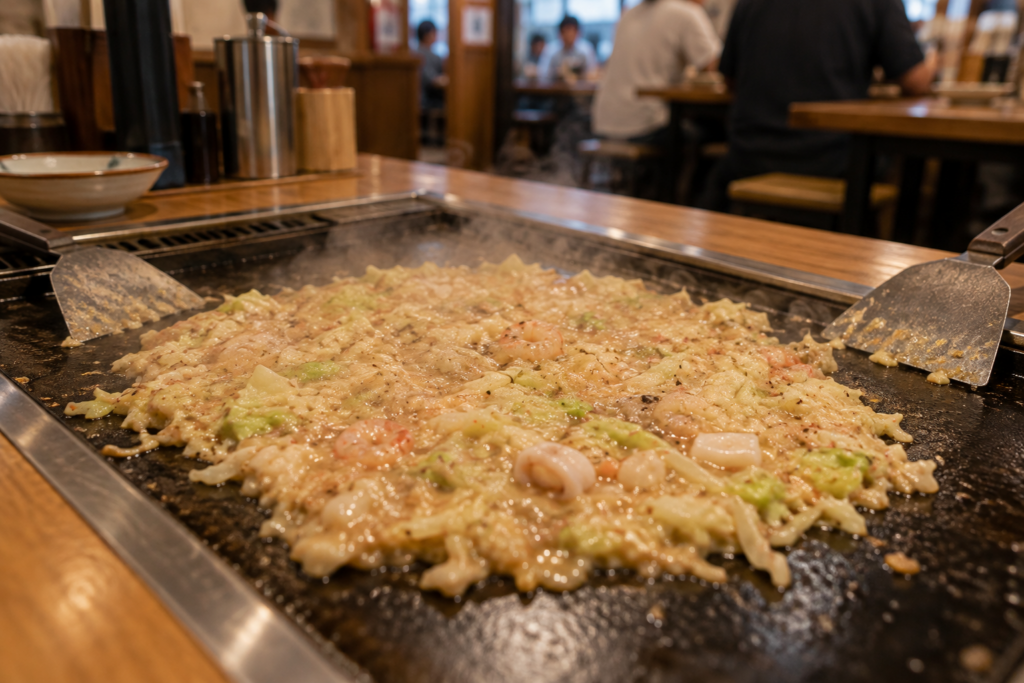
Monjayaki is Tokyo’s runnier, griddle-cooked cousin to okonomiyaki: a loose wheat-flour batter mixed with cabbage and chosen fillings, cooked on a hot plate at the table. Tsukishima is the best-known area to seek it, with a street of many specialist shops. Diners generally cook it at the table; ask staff for help if the shop offers it. Popular fillings include seafood, mochi, cheese and mentaiko (spiced cod roe), but recipes and allergens vary by shop.
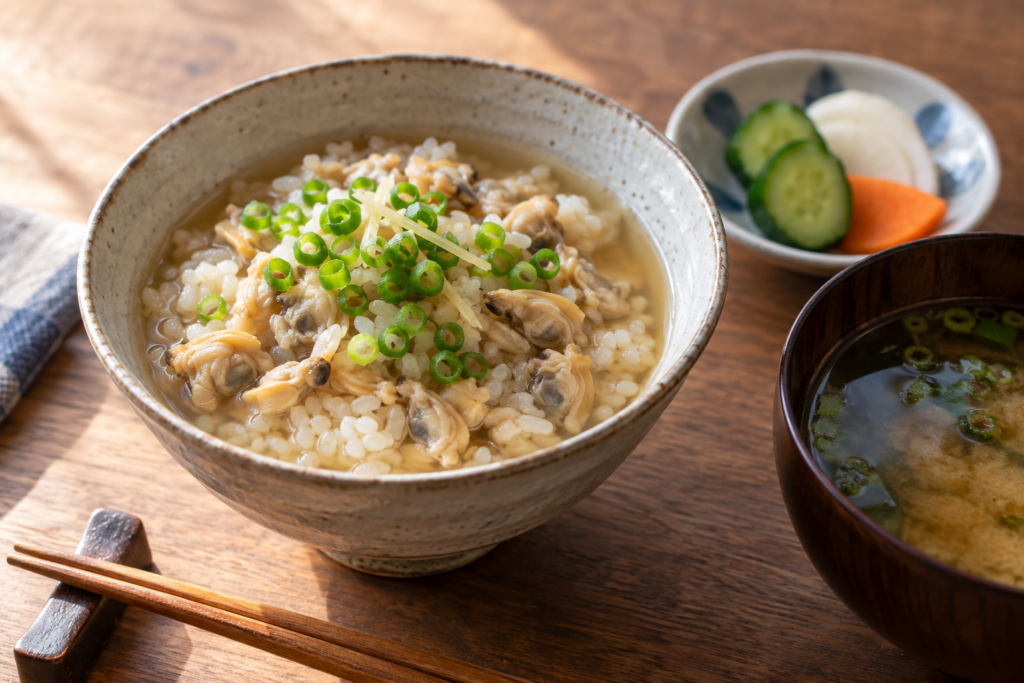
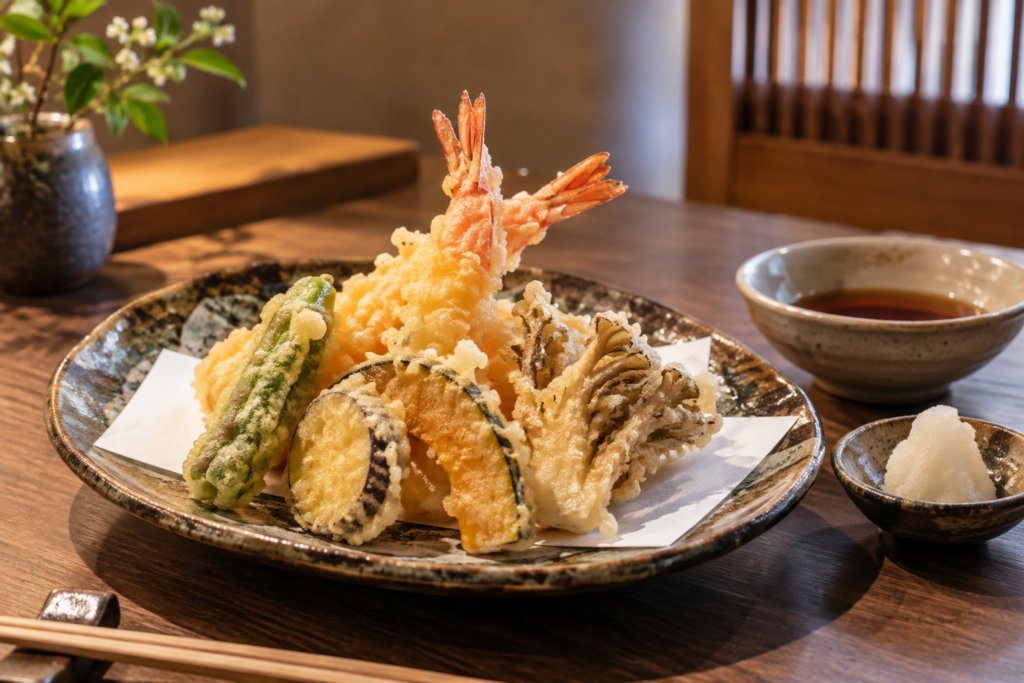
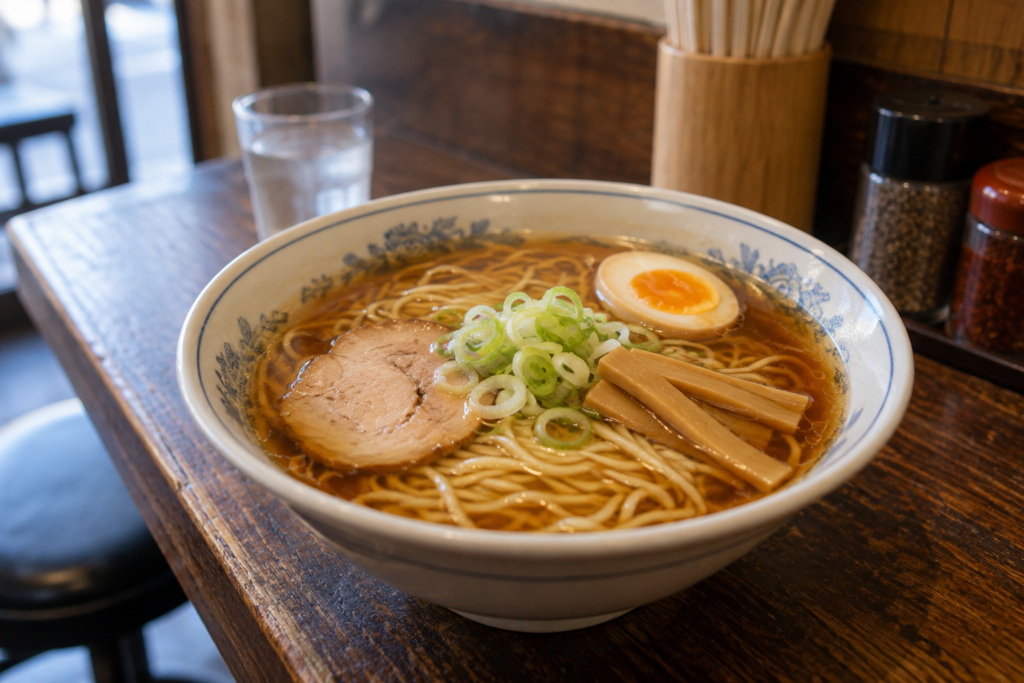
Fukagawa-meshi is an old Tokyo clam-and-rice dish associated with Fukagawa. Its two broad styles are clams and miso broth served over rice (bukkake) and clams cooked together with rice (takikomi); restaurants may offer one or both. Edomae sushi uses Tokyo Bay and market traditions, with vinegared rice and seafood prepared in many ways. Tsukiji Outer Market remains a place to browse food shops and eateries, while Toyosu is the wholesale market complex; they are different areas. Tempura—lightly battered seasonal seafood and vegetables—has long roots in Edo cooking. Ramen has many regional styles in the city; tonkotsu is a rich pork-bone broth, while soba may be served hot or cold. Yakitori means grilled chicken skewers, often ordered with salt or a soy-based tare. These dishes are not dietary guarantees: broths, sauces, batter and shared grills commonly contain ingredients that may matter to you.
Seven places to use as starting points
ICHIRAN Nakano — Nakano. The operator describes its focus as tonkotsu ramen. Its current Nakano page lists classic tonkotsu ramen at ¥980, a basement address a short walk from Nakano Station, and hours that vary by weekday. This is a relatively low-cost, quick counter meal; the operator warns that crowding can end seating before the posted last order and staffing may change hours. Check the live shop page before going. The signature ramen has pork-bone broth; if you avoid pork or have allergies, ask the operator about every ingredient and preparation before ordering. Operator’s Nakano menu, address and hours.
Tsukishima Monja Okonomiyaki Makoto — Tsukishima. This monjayaki restaurant is two minutes from Tsukishima Station’s Exit 7. The operator’s menu lists several monja options, including mentaiko-mochi-cheese and seafood, with examples at ¥1,738–¥1,958 including tax; the full menu has other price points. This gives first-timers a guided option in the neighborhood that made the dish famous. Online reservations are offered. Confirm whether staff will cook at the table, and ask about batter, seafood, dairy and shared griddle contact if relevant. Operator’s menu and store details · GO TOKYO on Tsukishima Monja Street.
Fukagawa-juku — Kiyosumi-Shirakawa or Tomioka Hachimangu. The operator serves Fukagawa-meshi in two branches: its main shop by the Fukagawa Edo Museum and a branch inside Tomioka Hachimangu shrine grounds. The site explains the two preparations—miso-clam broth over rice and soy-seasoned clams cooked with rice—so ask which style is being served or choose if both appear on the current menu. Pair lunch with a shrine, garden or old-town walk. The operator posts different weekday and weekend hours and Monday closures, with holiday exceptions; check its page on the day. Clams are shellfish, and broth or seasoning ingredients should be confirmed for allergies. Operator’s dish description, branches and current hours.
Tsukiji Kagura Sushi — Tsukiji Outer Market. The operator’s English site describes its honten as a sushi shop along the market’s Namiyoke Street, with counter seating and an indicative budget of ¥4,000 for lunch and ¥10,000 for dinner. Its separate food-stall branch has just two counter seats and a handful of tables, so the larger annex may suit groups better. Hours and weekly closures differ by branch; check the exact shop before setting out. Expect seafood and possible soy, egg and other common allergens; ask what is available and whether substitutions are possible. Operator’s branch details, hours and budget estimates.
Torikizoku Ryogoku — Ryogoku. The chain’s official English site lists a Ryogoku branch and advertises a uniform ¥390 tax-included price across its menu. Its yakitori is grilled chicken skewers, with specialties, rice dishes and drinks also listed. This is a casual, lower-cost dinner after exploring sumo-related Ryogoku, but it is a busy izakaya format and the listed shop is upstairs in a building. Use the operator locator for current opening details and booking options. Chicken, soy-based tare and shared grills make this a poor assumption for strict dietary needs; tell staff exactly what you avoid. Operator’s menu price and Ryogoku location · Official store locator.
Ginza Okubo — Ginza. A Japanese dining room with tempura at the counter alongside seasonal dishes. The English operator page lists a ¥2,800 signature tendon lunch (tempura over rice), lunch sets and courses, and more formal dinner courses; a 10% service charge applies at dinner. This offers a mid-range lunch entry point in Ginza and a more expensive dinner option. The posted schedule excludes Sundays, public holidays and the second and fourth Saturdays. For sukiyaki or shabu-shabu, the restaurant asks for at least two days’ advance booking. Confirm current dishes, availability and allergy accommodations before reserving. Operator’s menu, charges, reservation notes and access.
Tempura Kondo — Ginza. A planned splurge built around seasonal vegetables and tempura, with two counter seatings and timed courses. As listed for September 2026, lunch courses are ¥13,200 and ¥16,500, and dinner courses ¥22,000–¥33,000, including consumption tax. The operator posts limited seat times, a Sunday closure and a dedicated reservation route for international guests through its official partner; phone reservations are in Japanese only. Book ahead and confirm the date-specific schedule, course price and any dietary limitations. A set seasonal course may be difficult to adapt for multiple restrictions. Operator’s current courses, schedule and reservation instructions.
Where to eat, by area
Tsukishima: make monjayaki the centerpiece, choosing one of the many griddle restaurants along Monja Street. The neighborhood is also convenient to nearby Kiyosumi-Shirakawa, but check transit and walking routes rather than assuming these are one compact block. Fukagawa and Monzen-Nakacho: pair a Fukagawa-meshi meal with Tomioka Hachimangu or the old-town streets. Tsukiji: browse the Outer Market early, when many stalls and small eateries are active; verify each shop’s schedule and keep pedestrian flow in mind. Ginza: offers both accessible lunch bowls and reservation-led counter dining. Ryogoku: yakitori and other casual dinner options can complement a sumo-history visit; event days may make the area busier. Nakano: a ramen stop can fit an evening exploring its shopping streets.
One, two or three food days
One day: choose a cluster instead of crossing the city repeatedly. For a market-and-city-center day, start with a modest breakfast or snack in Tsukiji, then have a sushi lunch there or save a booked meal for Ginza. For a neighborhood-specialty day, go to Tsukishima for monja and leave room for an evening stroll. Avoid scheduling an elaborate lunch and a long tasting-menu dinner on the same day unless you know you enjoy that pace.
Two days: spend one day around Tsukiji and Ginza, using a market breakfast or sushi lunch and reserving a tempura meal only if the budget and timing suit. On the second day, explore Fukagawa or Kiyosumi-Shirakawa for Fukagawa-meshi, then choose an easy dinner near your accommodation. Alternatively, swap in Tsukishima for a hands-on griddle meal.
Three days: add a distinct evening in Nakano for ramen or Ryogoku for yakitori, rather than treating the city’s food stops as one walkable route. Put reservation-dependent meals on dates when you can keep the time window clear; leave flexible meals for places with changing queues and menus. Use the remaining meal for a dish you have not tried, such as soba, unagi or seasonal sweets, selected from a current local menu.
Practical notes
Popular sushi counters, tempura restaurants and specialty monja shops can have queues or require reservations; a reservation may apply to a fixed course, seating time, cancellation policy or party size. Check those terms before booking. Market-area businesses often operate on individual schedules and some close on market or public-holiday dates. Avoid assuming the former Tsukiji wholesale market remains at Tsukiji: the wholesale market relocated to Toyosu, while the Outer Market’s independent businesses continue separately.
Japan’s major allergens and hidden ingredients can include wheat, soy, egg, milk, buckwheat, peanuts, crustaceans, mollusks, fish and sesame. Broth, dashi, marinades, tare, fryer oil and shared griddles or grills can matter. Carry a clear written allergy card in Japanese if you have a serious allergy, speak to staff before ordering, and do not rely on a dish name or translated menu alone. Restaurants may not be able to prevent cross-contact or adapt set courses.
Prices above are exactly as posted by the linked operator or are that operator’s stated budget guidance, not a promise of your final bill; tax, service charges, drinks, add-ons and future updates may affect the total. Confirm current information directly. This guide draws on official destination and operator pages; it does not claim personal visits, rank venues, certify kitchens, promise availability or guarantee accessibility.
Tokyo food and venue references
Check the official sources
Schedules, admission, fares and service can change. Recheck these for your travel dates.
- gotokyo.org (checked 2026-09-27)
- gotokyo.org (checked 2026-09-27)
- gotokyo.org (checked 2026-09-27)
- japan.travel (checked 2026-09-27)
- en.ichiran.com (checked 2026-09-27)
- monja-makoto.com (checked 2026-09-27)
- fukagawajuku.com (checked 2026-09-27)
- tukijikagura.jp (checked 2026-09-27)
- welcome.torikizoku.co.jp (checked 2026-09-27)
- en.map.torikizoku.co.jp (checked 2026-09-27)
- ginza-okubo.com (checked 2026-09-27)
- tempura-kondo.com (checked 2026-09-27)