
Food
A Food Guide to Vienna: Schnitzel, Coffeehouses and Market Meals
Find your way through Vienna’s schnitzel, tafelspitz, coffeehouse cakes and markets, with verified restaurant examples and practical one-, two- and three-day food plans.
How long is your visit?
Choose an itinerary, or read the full guide below.
Check the full guide for arrival, ticket, accessibility and booking details.
Vienna’s food traditions fit naturally into a day of sightseeing: a leisurely coffeehouse breakfast, a substantial lunch at a Beisl (a traditional neighborhood inn), cake in the afternoon and a relaxed dinner. The city’s cuisine reflects a long Central European history, so familiar Austrian dishes sit beside market stalls and international kitchens. For a first visit, choose a few classics and group meals by neighborhood. The center is walkable, while the U-Bahn, trams and buses help link farther-out markets and districts. Menus and opening times change, so confirm the current offer and reserve where needed.
Viennese dishes worth knowing
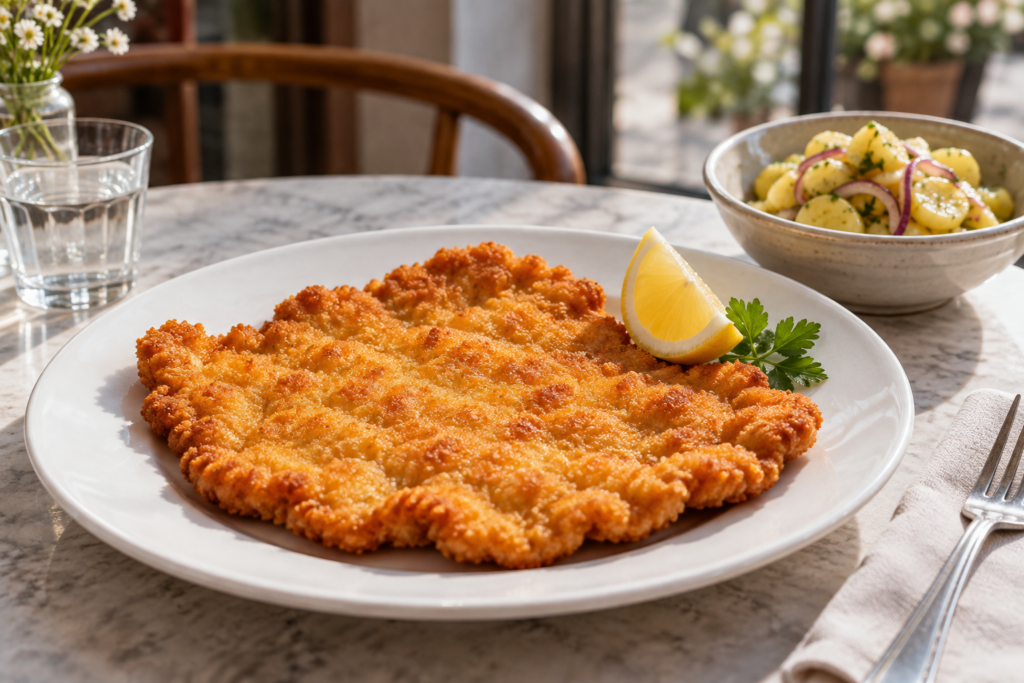
Wiener Schnitzel has a specific meaning: the classic is thin, breaded and fried veal, commonly served with potato salad or parsley potatoes and lemon. Many restaurants also offer pork, chicken or plant-based schnitzels, but those are different versions. Ask which meat is used if you want the veal original or have dietary needs. Tafelspitz is gently simmered beef, served with accompaniments that vary by house; it is hearty and often appears in specialist inns. The official tourism guide treats it as a major Viennese tradition, while noting that the city’s dining culture includes both everyday inns and formal restaurants. Vienna’s official schnitzel guide · Vienna on tafelspitz and boiled beef.
Look for goulash, Backhendl (breaded fried chicken), Frittatensuppe (clear broth with sliced pancake strips) and Wiener Würstel from a sausage stand. A Heuriger is a wine tavern traditionally associated with local wine-growing villages on Vienna’s outskirts; it makes a good evening excursion if you have time to leave the central sights. Check the individual wine tavern’s seasonal opening calendar before traveling out.
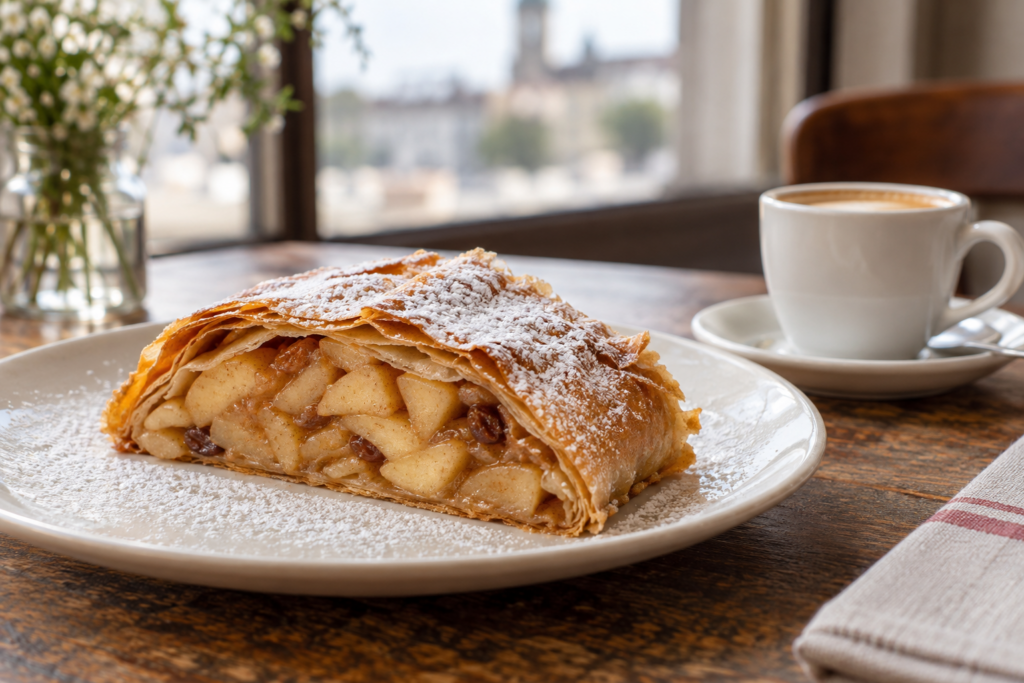
Vienna’s sweet repertoire is just as important. Sachertorte is a chocolate cake served with whipped cream at Hotel Sacher and other cafés; Apfelstrudel is apple strudel, and Kaiserschmarrn is a fluffy shredded pancake, often served with fruit compote. Marillenknödel, apricot dumplings rolled in buttery crumbs, are seasonal when fresh apricots are available. Bakery displays and café menus vary, so choose from what is actually being served. Vienna’s guide to sweets and desserts.
Innere Stadt: classic meals and coffeehouse pauses
In the historic first district, Figlmüller operates two central dining rooms and publishes separate menus. Its Bäckerstraße menu lists its signature pork schnitzel, Wiener Schnitzel of veal, and a plant-based schnitzel, so it is especially useful for groups with different preferences. The operator describes its original restaurant at Wollzeile 5 and recommends checking the live menu for changing prices. Reserve through the official booking page rather than assuming a walk-in table. Figlmüller Bäckerstraße menu · Figlmüller visitor information.
For tafelspitz and other traditional cooking, Plachutta’s Gasthaus zur Oper is listed by Vienna tourism as a central restaurant focused on Viennese cuisine, with the menu emphasizing schnitzel. Plachutta is also known for boiled beef across its restaurant group; check the specific branch’s live menu before setting out for that dish. Huth Gastwirtschaft, at Schellinggasse 5, is another city-tourism-listed address for refined Viennese cooking. Both work well on an evening when you want a sit-down meal, but book and reconfirm what the kitchen serves on your date. Vienna’s classic cuisine restaurant guide.
For cakes, coffee and a longer pause, Demel publishes its café menu, including Demel’s Sachertorte, Kaiserschmarrn, strudel and coffeehouse drinks. Its current page says reservations are not possible and gives café hours, so plan for a queue at popular times and use the live page before visiting. Café Sacher is another operator-run option for Original Sacher-Torte; check its own visitor information for current service. Coffeehouses are places to linger, and a cake-and-coffee stop can easily take longer than a grab-and-go break. Demel café menu and hours · Café Sacher.
Naschmarkt and the surrounding sixth district
Naschmarkt, between Karlsplatz and Kettenbrückengasse, is a useful food-focused walk near the Secession and the Wienzeilen buildings. Vienna’s official tourism page describes a mix of produce and specialty stalls, a market hall and restaurants spanning Viennese and international food. It lists a farmers’ market on Fridays and Saturdays and a flea market on Saturdays. The market’s retail stalls close on Sunday, although some restaurants open; do not plan a Sunday visit as a full market-shopping day. The tourism page’s listed hours and individual trader details are subject to change. Vienna Naschmarkt guide.
Choose a meal by the stall or restaurant that is open rather than expecting the market to serve one single cuisine. The official guide names options including Neni for Israeli-Oriental dishes, Tewa for organic cuisine and Orient & Occident for Turkish home cooking; it also lists traditional Viennese choices. Go earlier if your priority is shopping for produce, and leave time to browse the market hall. The area pairs well with a visit to the Secession or a walk along the Ringstraße. It is a lively food stop, not a guarantee that every stall will be trading when you arrive.
Neighborhood food: Neubau, Leopoldstadt and Heuriger country
Neubau and Spittelberg suit visitors who enjoy café hopping, small shops and a contemporary neighborhood atmosphere around MuseumsQuartier. Vienna tourism’s district guide highlights restaurants and the culinary character of the seventh district. This is a natural place for dinner after the museums, with choices that change from street to street; select a venue from its current operator menu and reserve if the booking page advises it. Vienna neighborhood guide.
Leopoldstadt offers a different food outing: combine the Prater with a casual meal or explore the Karmeliterviertel and Karmelitermarkt. The city tourism page describes the Karmelitermarkt area as a market neighborhood with eateries and galleries, and Friday/Saturday farmers’ market activity. The Prater itself includes food stands and popular Austrian and Hungarian-influenced snacks, according to Vienna tourism. Market stalls and amusement-park businesses can have separate hours and seasonal schedules, so verify the specific place. Viennese market guide · Vienna Prater visitor guide.
If you have a third evening, consider a Heuriger in a wine-growing district such as Grinzing or Nussdorf. These taverns sit beyond the central sightseeing core, so check the venue’s opening dates, transit connection and last return options before committing. A wine tavern is best treated as a dedicated outing rather than something to squeeze between a museum closing time and a central dinner reservation.
Three practical food plans
One day: Start with coffee and a pastry in the Innere Stadt, then see St Stephen’s Cathedral and the Hofburg area. Have a late lunch at a restaurant offering schnitzel or tafelspitz, after checking the day’s menu. In the afternoon, stop at Demel or another coffeehouse for cake; keep dinner light, perhaps at a sausage stand or a small restaurant near your hotel. Book a particular restaurant meal in advance if it is central and important to your plan.
Two days: On day one, focus on the first district and choose either Figlmüller or another traditional restaurant for a main meal. On day two, visit the Secession and Naschmarkt, using the market for a flexible lunch and browsing. Finish in Neubau around MuseumsQuartier for dinner, or cross to Leopoldstadt if you want to pair the Prater with a meal. Avoid planning the Naschmarkt for Sunday shopping; use that day for the museum area or a coffeehouse instead.
Three days: Keep the first two routes, then use the third day for Schönbrunn or another outer-district sight and build meals around that geography. Alternatively, take a dedicated afternoon/evening to a Heuriger after checking seasonal operations and return transit. Try a second coffeehouse, sample Kaiserschmarrn or strudel, and leave room for a market or neighborhood restaurant rather than scheduling a heavy multi-course lunch and dinner every day.
Practical ordering and timing
Wiener schnitzel made with veal is not interchangeable with pork schnitzel, though both may appear on one menu. Ask about the meat, cooking fat and sides if you have dietary requirements. Classic dishes may contain gluten, egg, dairy or meat stock; fried food may share oil. Menus’ allergen codes help, but guests with allergies should speak directly with staff about ingredients and kitchen cross-contact. Vegetarian and vegan alternatives exist, but availability varies by restaurant.
Many traditional restaurants have different lunch and dinner service, while markets and cafés keep their own weekly schedules. Vienna’s official listings are useful for orientation; the operator’s current page is the final check for service, reservations and menu changes. On weekends, public holidays and during Christmas market season, plan more flexibly and book sought-after tables ahead. Keep one nearby backup in case a café has a queue or a market stall is closed.
Official city and venue sources
Check the official sources
Schedules, admission, fares and service can change. Recheck these for your travel dates.
- wien.info (checked 2026-09-27)
- wien.info (checked 2026-09-27)
- wien.info (checked 2026-09-27)
- wien.info (checked 2026-09-27)
- figlmueller.at (checked 2026-09-27)
- figlmueller.at (checked 2026-09-27)
- demel.com (checked 2026-09-27)
- sacher.com (checked 2026-09-27)
- wien.info (checked 2026-09-27)
- wien.info (checked 2026-09-27)
- wien.info (checked 2026-09-27)
- wien.info (checked 2026-09-27)
- plachutta.at (checked 2026-09-27)