
Destination hub
Santo Domingo
Walk Calle Las Damas, the Americas' first paved street, then cool off at Los Tres Ojos and the Malecón on an easy two-to-three-day city break.
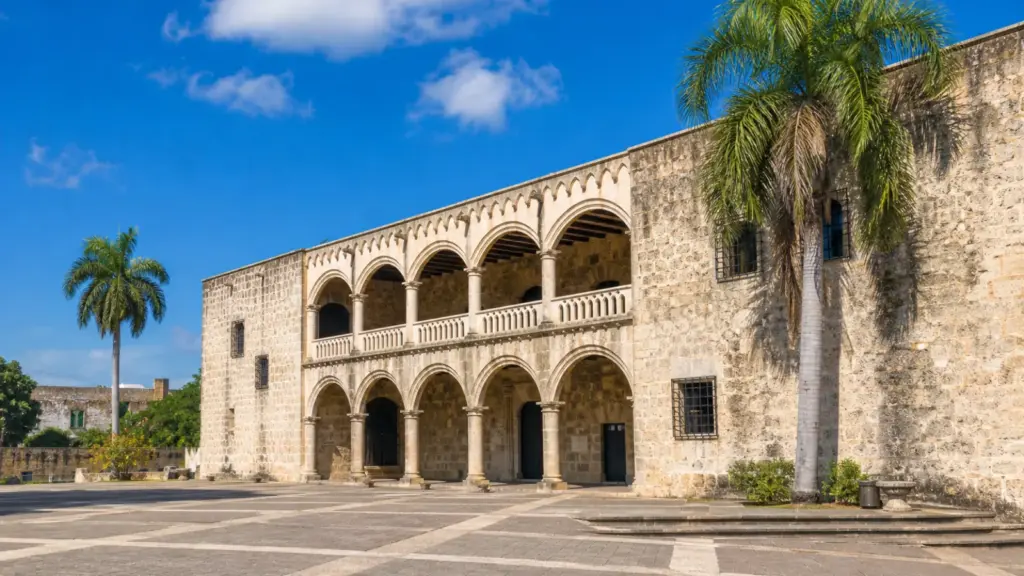
Santo Domingo is the Dominican Republic's capital. It is a big, loud, warm city with a 16th-century core. Its Colonial Zone is a UNESCO World Heritage Site, and it sits alongside natural attractions such as Los Tres Ojos National Park and the Malecón on the Caribbean Sea. (checked Oct 13, 2026) History fans, food-minded travelers and anyone adding a city day to a beach trip will get the most from it.
Who Santo Domingo suits
- History and architecture lovers. The Colonial Zone packs forts, a cathedral, monasteries and museums into a walkable grid.
- Points travelers wanting a short, cheap-to-reach city stop. Several US carriers fly in (details below).
- Food and music fans. The capital is the best place in the country for a range of restaurants and nightlife.
- Beach-first travelers should look elsewhere. The city has a seafront promenade but is not a swim-and-lounge destination. Punta Cana and the north coast fit better.
- Skip it if you want a fully resort-style, low-stress stay. The U.S. State Department notes that violent crime is a concern despite more police presence in areas often visited by tourists. (checked Oct 13, 2026) It's manageable with normal city sense, but it's not a no-thought destination.
When to go
The tourism board lists Santo Domingo as a year-round destination and suggests 2–3 days for a visit. (checked Oct 13, 2026)
The weather is hot and humid all year. Typically, the drier, slightly cooler months from about December through April are the most comfortable. They are also the busiest and priciest, especially around the winter holidays. Atlantic hurricane season typically runs through November, with the peak in late summer and early fall. Late-year trips can be cheaper but carry storm risk, so buy flexible fares and check the National Hurricane Center before you go.
Getting there
Airport: Las Américas International (SDQ) is in Punta Caucedo, east of the capital. (checked Oct 13, 2026) Budget about 30–60 minutes by taxi to the Colonial Zone, depending on traffic. That is our estimate, not a published time.
Airlines: Scheduled service includes JetBlue, American Airlines, United Airlines, Copa Airlines, Air Europa, Iberia, Air France, Avianca and Condor. (checked Oct 13, 2026) A flight-search page also lists Delta, Frontier and Spirit. (checked Oct 13, 2026) Schedules shift by season, so check each airline's route map.
Using points: See our transfer partners page for the full chart. Fits for SDQ:
- United: Chase and Bilt both transfer 1:1.
- Delta: Amex transfers 1:1.
- American: Citi transfers 1:1 on select cards only.
- Avianca LifeMiles: Amex, Capital One and Citi transfer 1:1. Avianca flies into SDQ from Bogotá.
- Flying Blue (Air France): Chase, Amex, Capital One, Citi and Bilt all transfer 1:1.
- JetBlue: Not on our transfer chart, so plan to pay cash or use JetBlue's own program.
Getting around
Metro: Santo Domingo has two lines. One guide lists service daily from 6:00 AM to 10:30 PM, at roughly RD$20 a trip (about US$0.34). (checked Oct 13, 2026) Published weekend closing times vary between sources, so confirm with the operator before a late weekend ride. The metro does not reach the airport.
Buses: OMSA runs 22 routes across the Greater Santo Domingo area. Fares are roughly 15 to 35 pesos depending on the route and payment method. (checked Oct 13, 2026) They run daily from 6:00 a.m. to 10:00 p.m. (checked Oct 13, 2026)
Cable car: The Teleférico is about 5 kilometres with four stations and connects with the metro. (checked Oct 13, 2026)
Taxis and ride-hail: Use these at night and for the airport run. Agree on a price or use an app before you get in.
On foot: The Colonial Zone is best explored this way. Traffic elsewhere is heavy, so we don't recommend renting a car for a city stay.
Where to stay
- Zona Colonial: Best for first-timers. You can walk to the cathedral, Alcázar and restaurants.
- Malecón waterfront: Sea views and big-brand hotels. The tourism board features the Renaissance Santo Domingo Jaragua here. (checked Oct 13, 2026)
- Piantini and Naco: Modern, business-oriented districts with malls and restaurants. Good for short work trips and for travelers who prefer an uptown feel.
- Near the airport: Handy for early flights. A flight-search page lists a Hampton by Hilton Santo Domingo Airport. (checked Oct 13, 2026)
Using points here
- Marriott Bonvoy: The Renaissance Santo Domingo Jaragua is a Marriott brand. Chase, Amex and Bilt all transfer to Marriott 1:1.
- Hilton Honors: The airport Hampton fits a transit night. Amex transfers to Hilton 1:2, and Bilt transfers 1:1.
- Flights: Pick the program that matches your gateway. Chase or Bilt to United suits Newark flyers, and Amex to Delta suits Delta flyers. Always compare against cash fares. Low-cost carriers often undercut award prices on short Caribbean routes.
We haven't confirmed other major-brand properties in the city, so check hotel sites directly for current options.
Top things to do
- Walk Calle Las Damas, the first paved street in the Americas. (checked Oct 13, 2026)
- Tour Fortaleza Ozama, which the tourism board calls the oldest European military structure in the New World. (checked Oct 13, 2026)
- Visit the Alcázar de Colón and have a coffee on Plaza España.
- See the Primada de América Cathedral, billed as the oldest cathedral in the Americas.
- Wander the Ruins of San Francisco, the first monastery in the New World.
- Stroll pedestrian Calle El Conde to Parque Colón, then on to Puerta del Conde and Independence Park.
- Go underground at Los Tres Ojos National Park, with caves and clear lakes.
- Walk the Malecón (George Washington Avenue) along the Caribbean at sunset.
- Climb the Columbus Lighthouse (Faro a Colón) and visit the National Botanical Garden.
Hours and ticket prices change, and we couldn't confirm current ones. Check each site before you go.
Know before you go
- Entry: Most visitors, including those from the United States, do not need a visa. (checked Oct 13, 2026) Tourists need a passport and an entry and return ticket. The rules also list a local address and proof of funds. (checked Oct 13, 2026)
- Passport validity: The standard rule is six months, but the tourism board lists exceptional measures from December 1st, 2024 to December 31, 2026. (checked Oct 13, 2026) Check the current rule if you travel near or after that date.
- E-Ticket: The electronic entry and exit form is free at eticket.migracion.gob.do. (checked Oct 13, 2026) The U.S. Embassy tips say you must complete one for each entry and exit. (checked Oct 13, 2026)
- Cash declaration: $10,000 or more must be declared on entry and exit. (checked Oct 13, 2026)
- Safety: The U.S. advisory is Level 2, exercise increased caution, due to crime. It lists 911 and the tourist police (POLITUR) as resources. (checked Oct 13, 2026) Don't flash valuables, and meet online contacts only in public places.
- Money and power: The currency is the Dominican peso (RD$). Cards are widely accepted in hotels and restaurants, and cash helps for small purchases. Tipping typically means about 10% on top of any service charge. US-style plugs generally work, but check your device voltage.
More PerkJolt planning for Santo Domingo
Last verified: 2026-10-13. Metro hours and fares, airline schedules and the passport-validity exemption are the most likely to change. Check the Dominican Republic tourism entry page and your airline before you book.
Good to know before you go
. Confirm hours, fees, schedules and entry rules on the official pages before you book.
Sources
- Dominican Republic Tourism: Santo Domingo
- Dominican Republic Tourism: Entry requirements
- U.S. State Department: Dominican Republic advisory (current page)
- U.S. State Department: Dominican Republic travel requirements
- Las Américas airport guide
- Expedia: SDQ flights and nearby hotels
- Santo Domingo Metro guide
- Santo Domingo (Wikipedia): transport
- Expat Focus: Dominican Republic buses and trams
Plan the details
Food
Santo Domingo Food Guide: Dominican Dishes and Where to Start
Plan meals around mangú, la bandera, sancocho and mofongo, with current operator menus and a practical Colonial City food route.
Lodging
Where to Stay in Santo Domingo: Colonial City, Piantini, or the Malecón
Choose a Santo Domingo base by daily geography, compare current hotel examples, and plan SDQ transfers and realistic nights.