
Food
Aruba Food Guide: Pastechi, Local Plates and Seafood by Area
Choose Aruba meals by area, from pastechi and local stews to Noord, Oranjestad and Savaneta dinners, with official menus and realistic plans for one to three days.
How long is your visit?
Choose an itinerary, or read the full guide below.
Check the full guide for arrival, ticket, accessibility and booking details.
In Aruba, a good food day starts with two choices: what you want to taste, and which part of the island you will already be visiting. A pastechi breakfast, a plate of stew with cornmeal, and a dinner of seafood each offer a different introduction. You can also eat international cooking throughout a stay; the useful distinction is the dish on the current menu, rather than whether a restaurant sits inside or outside the hotel district.
Use the Aruba first-visit guide to organize beaches, town visits and transfers, and the Aruba lodging guide to compare bases. This food companion helps you choose meals within that geography. The four restaurants below serve different needs; check each official menu and reservation page again for your dates.
A small vocabulary for the Aruban table
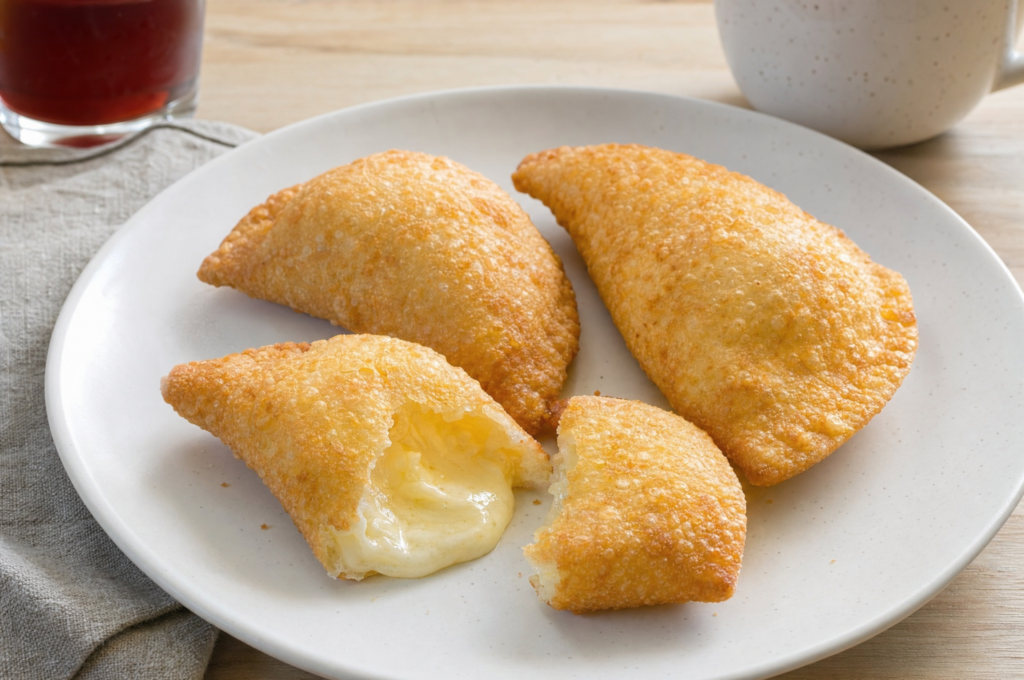
Pastechi is a crescent-shaped, deep-fried pastry with a filling. Cheese, beef, chicken and fish versions appear in the Aruba Tourism Authority’s food guidance. It works as breakfast or a snack, so you do not need a formal dinner reservation to begin exploring local food. Ask which fillings are ready that morning, and choose a portion that leaves room for the rest of your day.
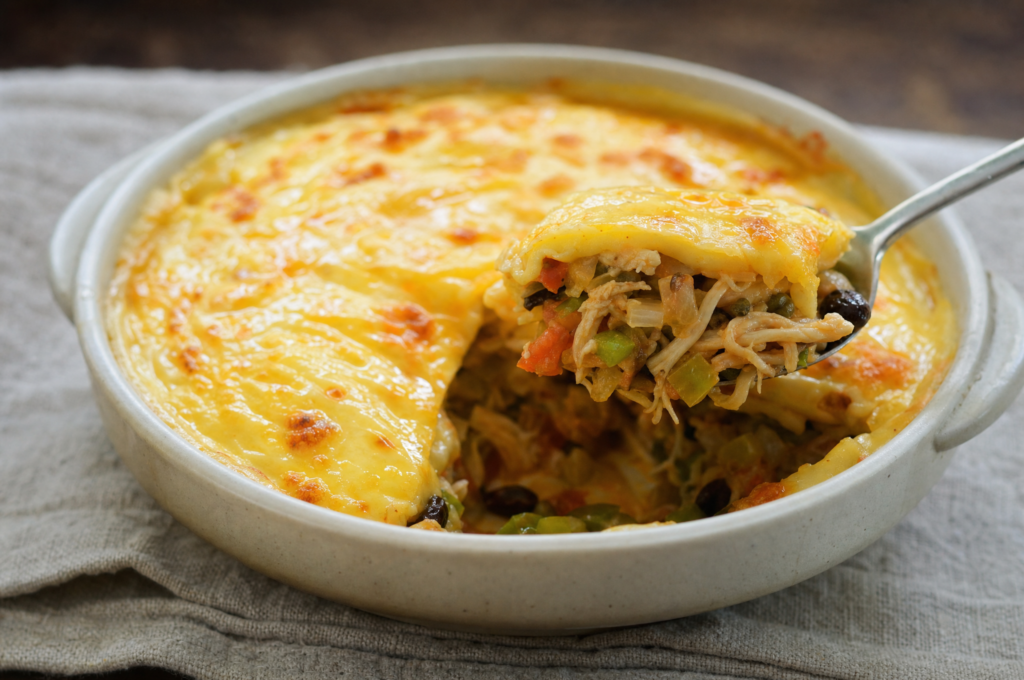
Keshi yena, also written keeshi yena, combines cheese with a seasoned filling. The tourism authority describes a casserole of meat or shredded chicken, olives and raisins with Gouda or Edam cheese, while restaurant recipes vary. The cheese is part of the dish, so a cheese-covered meat casserole can be quite different from a plain grilled main. Check the filling before ordering: a local dish name does not establish that every kitchen uses the same ingredients.
Stoba means stew. Aruba’s tourism authority describes beef, goat and conch versions, served with rice, funchi or pan bati. Funchi is a cornmeal preparation similar to polenta that can be creamy, grilled or fried; pan bati is a slightly sweet, fluffy flatbread. Use the tourism authority’s guide to Aruban dishes to recognize these names, then let the restaurant’s current menu determine the actual meal. A stew with a side and a fried snack can be two separate meals across the day rather than one large tasting order.
Papiamento: a planned dinner in Noord
Papiamento Restaurant gives its address as Washington 61, Noord. Its official website lists a family keeshi yena preparation containing tenderloin and chicken, dried fruit, olives, cashew and Dutch cheese. That is a useful example of why you should read beyond a dish’s name, particularly if you avoid nuts or meat. Look at the current linked main-course menu and the restaurant’s booking and contact page before making it an evening anchor.
The operator says it offers outdoor seating, asks diners to disclose dietary requirements in advance, and directs same-day reservations to the telephone. It also lists a Sunday closure. Reconfirm the service day and booking response for your trip. If you are staying in the Palm Beach–Noord area, this can be a dinner close to the northern part of your itinerary; the Washington address still matters when arranging the ride. See its address on a map for orientation.
The Old Cunucu House: local cooking with an inside or patio choice
The Old Cunucu House publishes Palm Beach 150, Noord as its address. Its official site, menu section and table requests describe Aruban cooking and distinguish reservations inside from those on the patio. That seating choice can be useful when you want a meal break away from the beach or need to discuss the setting before booking. The site lists lunch and dinner service; confirm the current meal hours and menu directly.
Use this as a candidate for a local-food meal during a northern beach day. Ask which traditional dishes are being served, what sides come with the plate, and whether a soup or smaller dish suits your appetite. The current page’s menu categories do not guarantee a particular stew on the day. Check the Palm Beach 150 address rather than assuming every restaurant using the Palm Beach name is on the waterfront.
Barefoot: an Oranjestad beach dinner with a broad menu
Barefoot Restaurant lists L.G. Smith Boulevard 1, Oranjestad. Its official menu, reservations and contact details cover seafood, meat and plant-based dishes, including blackened mahi-mahi, garlic shrimp and a vegan curry. It also publishes a children’s menu. This makes the page useful for a group comparing different appetites before choosing one dinner. A listed vegan dish still warrants a direct ingredient and preparation check if your dietary needs are strict.
Barefoot describes itself as beachfront and lists evening service. It fits an Oranjestad day followed by dinner, provided you leave time to change, rest and reach the restaurant. Its address is a separate destination from the central town streets: use the restaurant address map when arranging transport. Ask the venue about seating surface, shade or shelter, steps and restrooms if those details affect your party.
Flying Fishbone: make Savaneta dinner a deliberate outing
Flying Fishbone is at Savaneta 344. Its official menu and contact page lists fish of the day and a mixed-seafood dish called Savaneta Seafood History, as well as meat and pasta choices. Ask what the day’s fish is and how it will be served. The menu is an introduction to the options, while availability and the final bill must be checked with the restaurant.
The venue’s reservation and seating FAQ explains that submitting a request does not itself create a confirmed booking. It also distinguishes shoreline tables from other seating and makes them subject to specific booking arrangements and conditions. Choose the food and seating that suit you without assuming every reservation places your feet in the water. Use the Savaneta address map and plan the return ride before dinner. The operator says it can call back the taxi that brought you; discuss that arrangement with the driver and server rather than counting on an immediate car.
One day: one area, one main meal
For a full day based around Palm Beach or Noord, start with a pastechi from a bakery or snack counter after checking the available filling. Spend the morning on the beach, take lunch and a rest around midday, then choose either The Old Cunucu House for local cooking or Papiamento for a booked dinner. There is no need to reserve both. If your day is centered on Oranjestad, keep the snack and lunch there and consider Barefoot in the evening instead. A cruise call or arrival afternoon is a shorter window: select one meal that fits the time you actually have.
Two days: compare a local plate with seafood
Keep the first day’s northern meal plan, then devote the second day to Oranjestad and its coast. Look for a stew with funchi or pan bati when the current menu offers it, or have a lighter lunch if Barefoot will be your main dinner. Comparing a local plate with a seafood preparation is more useful than ordering every familiar dish at every stop. Leave a gap between daytime sightseeing and the evening table so beach clothes, tired children or a delayed transfer do not turn the reservation into a rush.
Three days: add a southern outing
Use a third day for San Nicolas or Baby Beach, with Savaneta dinner as an optional final stop if the route and confirmed Flying Fishbone reservation fit. Arrange transport for the whole outing, including the journey back to your accommodation. Carry water and plan a meal break rather than expecting a late dinner to cover an entire beach day. If you prefer an unstructured day, have a casual meal and return to your base; a destination dinner is worthwhile only when the extra travel supports the trip you want.
Arrival, heat and the journey home
Keep the first evening flexible when landing in Aruba. Immigration, baggage, check-in and a meal are competing demands on the same few hours, so an early table across the island can be difficult to keep. The airport’s public-transport information places bus stops outside airport property. Account for luggage and the walk before making dinner depend on a bus connection.
For later outings, the Arubus current route and timetable index distinguishes coastal hotel services from routes via Noord and southern services. Check the actual stops, operating day and return departure; a restaurant’s address map does not establish a bus journey. Make lunch a chance to sit down and take a break from the sun. Confirm shelter and seating directly if outdoor conditions matter, and keep one meal close to your accommodation as a backup.
Before you book or order
Read the official menu for ingredients, then ask about the whole plate: sauces, sides, spice level, portions and preparation. Fish, shellfish, dairy, nuts and wheat appear across these menus, so discuss allergies and cross-contact directly with the restaurant before setting out. Ask about step-free access, bathroom access, high chairs or quieter seating when needed; a beach or patio description does not answer those questions.
For a special dinner, wait for a confirmation and read the current cancellation, payment and seating terms. For a casual lunch, confirm that the service time matches your day. Before paying, ask how service charges and any additional tip are handled. Menus, hours and booking arrangements change; the official restaurant pages are the place to reconfirm them shortly before your visit.
Check the official sources
Schedules, admission, fares and service can change. Recheck these for your travel dates.
- aruba.com (checked 2026-09-28)
- papiamentoaruba.com (checked 2026-09-28)
- papiamentoaruba.com (checked 2026-09-28)
- oldcunucu.com (checked 2026-09-28)
- barefootaruba.com (checked 2026-09-28)
- flyingfishbone.com (checked 2026-09-28)
- flyingfishbone.com (checked 2026-09-28)
- airportaruba.com (checked 2026-09-28)
- arubus.com (checked 2026-09-28)