
Food
Buenos Aires Food Guide: Parrillas, Empanadas and Café Stops by Barrio
Plan a parrilla meal, regional dishes and café stops around the barrios already on your Buenos Aires schedule.
How long is your visit?
Choose an itinerary, or read the full guide below.
Check the full guide for arrival, ticket, accessibility and booking details.
Buenos Aires food guide: parrillas, empanadas and café stops by barrio
Buenos Aires food works best as part of a neighborhood day, not as a list of restaurants to race between. The city’s official tourism site describes porteño cooking as a long-running meeting of local products and immigrant influences; its current food guide points visitors toward asado, empanada criolla, locro, pasta, pizza and cafés. Think of these as a useful introduction to a varied city menu, not a promise that one restaurant serves every classic. Choose one or two food stops that fit the barrio you are already visiting, and check the operator’s current menu, hours and booking terms before you travel.
What to look for on a menu
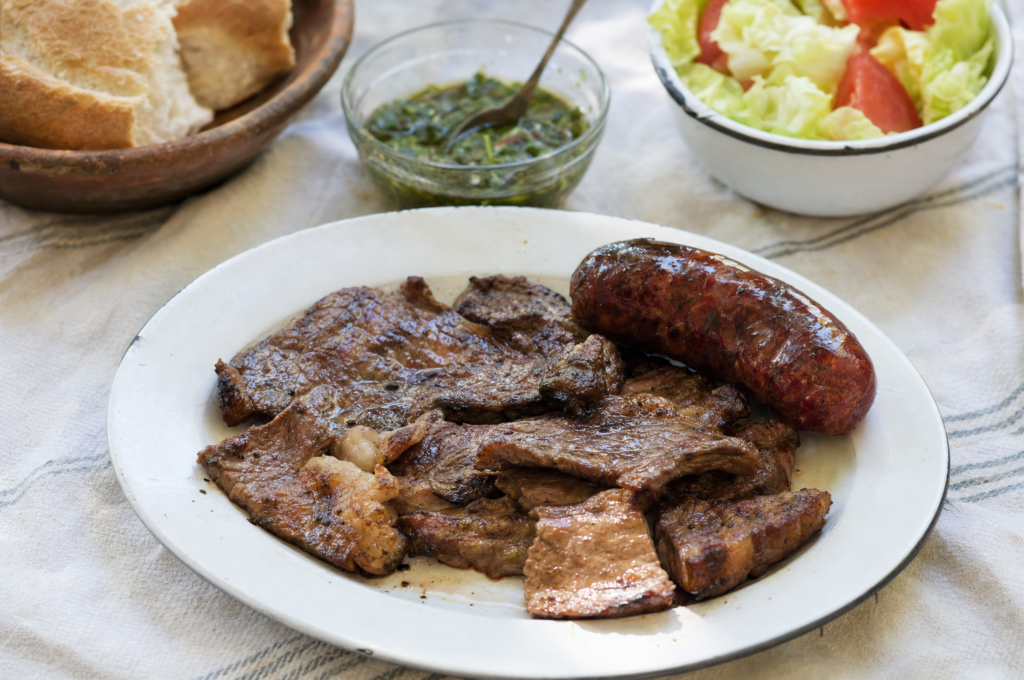
Asado and parrilla: Buenos Aires Tourism describes an Argentine asado as a social meal around the grill, with cuts of meat served in batches, sausages such as chorizo, and accompaniments that can include salad and sauces such as chimichurri or salsa criolla. A parrilla restaurant can make that tradition accessible without a private gathering. Menus and serving styles differ, and a restaurant’s name does not guarantee a particular cut, side or portion. Ask about the current menu and how dishes are served, especially if your group has different dietary needs.
Empanadas: The city tourism guide recommends empanada criolla, while individual fillings and styles vary. Pulpería Quilapán’s posted menu, for example, lists a Salteña empanada with knife-cut beef, potato and egg as well as a vegetarian eggplant-and-cheese option. These are the restaurant’s listed versions, not a citywide standard. Check the live menu and ask the kitchen about ingredients or cross-contact rather than assuming a filling is suitable from its name.
Locro and seasonal cooking: Buenos Aires Tourism includes locro among dishes to try, and Pulpería Quilapán’s current page labels its menu autumn-winter and lists a locro stew. That makes it a useful seasonal example, not a year-round availability promise. Confirm whether it is being served on your date. If locro is unavailable, use the menu’s current empanadas, grilled dishes or other regional plates to make the stop worthwhile.
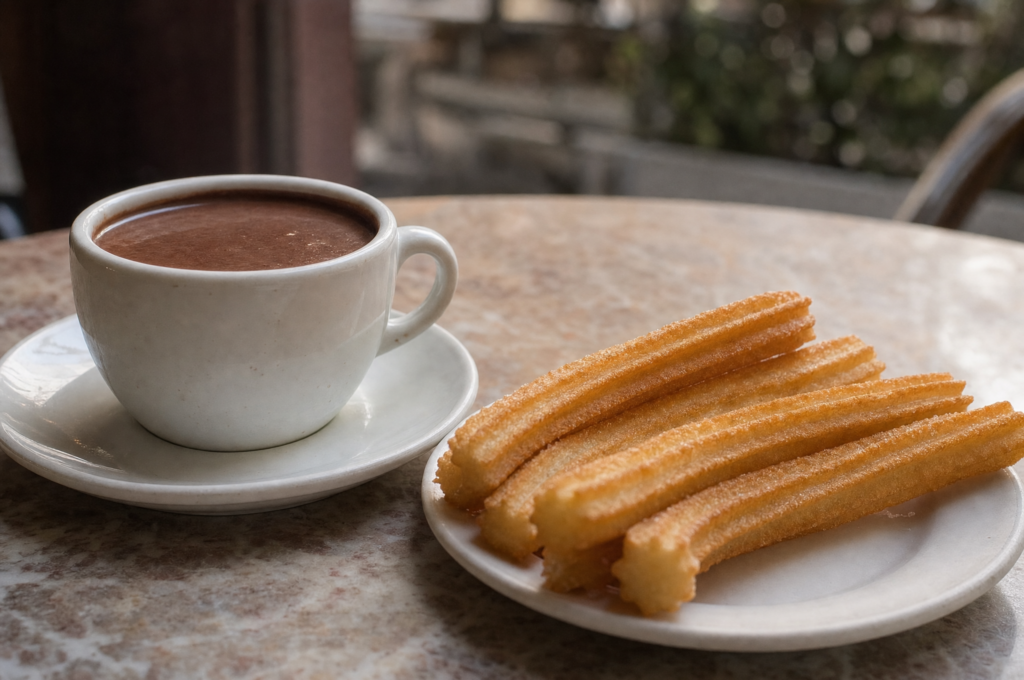
Café and sweets: Café Tortoni’s own gastronomy page presents chocolate with churros among its classic choices and lists its central address and posted hours. A café stop can be a simple way to anchor a day in San Nicolás or Monserrat between civic sights. The page’s schedule and menu can change; verify both before planning around a particular breakfast, dessert or visit.
Three stops that match different days
Palermo — Don Julio for a planned parrilla meal: Don Julio’s official page identifies the restaurant as a parrilla, gives Guatemala 4691 at the Gurruchaga corner in Palermo Viejo, and links to online reservations. Use it when Palermo is already part of your day and you want to plan a sit-down grill meal. The page’s posted service periods and reservation availability are date-sensitive; check the booking link for your travel date. This guide does not promise a particular cut, price, waiting time or table.
San Telmo — Pulpería Quilapán for regional dishes: The operator lists its address as Defensa 1344 in San Telmo and publishes a menu with empanadas, locro, grilled and oven-cooked dishes, and an explicitly vegetarian pot. Its page describes the displayed list as an autumn-winter menu, so treat the locro and other seasonal items accordingly. The business also links to pictogram and Braille menu information. Those formats do not establish that a dish meets a specific allergy or access need; contact the restaurant about the current menu, seating and practical requirements before booking.
Centro — Café Tortoni for a central café break: Café Tortoni’s official page gives Avenida de Mayo 825 and currently posts daily opening hours. It describes chocolate with churros among the café’s classic offerings and links to its menu. Use it when your plans already include Avenida de Mayo, Plaza de Mayo or nearby central streets. Its page does not promise a queue-free visit or immediate seating; allow flexibility, and confirm current details on the day.
These choices fill different roles: a planned parrilla reservation in Palermo, an Argentine and regional menu in San Telmo, and a café stop downtown. They are not a ranking. If one is booked out, unavailable or mismatched to your group, use the city tourism dining-area guide to choose another operator in the same neighborhood rather than adding an unnecessary cross-town transfer.
One, two or three days of meals
One day: Keep meals in the barrio where your sightseeing is concentrated. For a central day, use Café Tortoni as a café option and select another currently open central venue for a main meal. For a Palermo day, check Don Julio’s date-specific reservation availability before building the evening around it; otherwise choose a nearby current menu. A San Telmo day can pair market or historic-street plans with Pulpería Quilapán, after confirming its seasonal menu. Do not expect to fit all three neighborhoods into one day.
Two days: Pair Centro and San Telmo on one day if your exact route makes sense, then give Palermo its own meal focus on the second day. Tortoni works as a central café stop; Quilapán provides a San Telmo menu option; Don Julio is a Palermo reservation choice. If the first day becomes full, move the San Telmo meal rather than racing to a second reservation. Each address is a separate stop, not a walkable restaurant circuit.
Three days: Set aside one day each for central Buenos Aires, San Telmo and Palermo, with meal choices following the day’s route. A third day gives you room to add Recoleta, Puerto Madero or another dining area listed by city tourism, but choose one district rather than trying to sample the entire city at dinner. Treat these as three sightseeing and meal-planning days. They do not determine how many hotel nights you need; arrival and departure times may consume part of a day.
Dietary needs, children and reservations
Menus are not medical or allergy guarantees. Ask the restaurant directly about ingredients, cooking surfaces, shared fryers, cross-contact, portion format and current substitutions. Pulpería Quilapán lists a vegetarian pot and a pictogram menu, but confirm what that means for your particular needs and date. The same is true of empanadas: a vegetarian label does not establish vegan ingredients, and a named filling does not answer allergy questions. For children, ask each venue about seating, child portions and service timing instead of assuming the adult menu or a reservation slot will suit.
Don Julio links to its own reservation system, so use that operator channel and review its live terms. For the other venues, use their official contact details to ask what is currently available. Avoid relying on old screenshots, third-party menus or search snippets for opening hours. Argentine prices, exchange rates, card conversions and final bill treatment can change quickly; compare the amount and currency shown by the operator at booking or payment time rather than relying on a copied figure.
Airport arrivals and getting back after dinner
Buenos Aires has two airports most visitors will compare: Ezeiza International Airport (EZE) and Jorge Newbery Aeroparque (AEP). The city tourism authority places EZE outside the city and AEP within Buenos Aires; their pickup arrangements are different. Start with the airport code on your ticket. For EZE, Aeropuertos Argentina maintains a taxi/remis information page, and Tienda León currently lists bus and private-remis booking options. Check the exact route, stop, pickup instructions, luggage fit and departure availability before paying. Do not assume a listed airport-to-airport service is the right city transfer.
For AEP, Argentina’s transport authority describes a controlled licensed-taxi queue with a destination-entry terminal and printed fare voucher. Recheck that official page and airport signs because airport procedures can change. These details are specific to Aeroparque, not Ezeiza. The official city transit guide explains SUBE and the city’s route planner; use the existing first-visit guide for card setup and broader transport steps. For an evening meal, compare the return route from the actual restaurant address and current service time, rather than assuming a neighborhood label such as “Palermo” or “Centro” guarantees an easy late return.
Sources and current checks
Use Buenos Aires Tourism’s food-history page for broad porteño cuisine context and its city food guide for dishes and dining areas. Check Don Julio’s own address and reservation page, Pulpería Quilapán’s seasonal menu and Café Tortoni’s current gastronomy and visitor page. For neighborhood planning, use the city’s official dining-area guide. For airport details, check the city arrival guide, Aeropuertos Argentina’s EZE taxi/remis page, Tienda León’s live transfer options and Argentina’s AEP taxi queue information. Sources checked 28 September 2026; reconfirm menus, dates, routes and booking terms before travel.
Check the official sources
Schedules, admission, fares and service can change. Recheck these for your travel dates.
- turismo.buenosaires.gob.ar (checked 2026-09-28)
- turismo.buenosaires.gob.ar (checked 2026-09-28)
- turismo.buenosaires.gob.ar (checked 2026-09-28)
- donjulio.world (checked 2026-09-28)
- pulperia.ar (checked 2026-09-28)
- cafetortoni.com.ar (checked 2026-09-28)
- turismo.buenosaires.gob.ar (checked 2026-09-28)
- aeropuertosargentina.com.ar (checked 2026-09-28)
- tiendaleon.com (checked 2026-09-28)
- argentina.gob.ar (checked 2026-09-28)